
Why Buyers Overpay at the Dealership-and the Dynamics Behind It

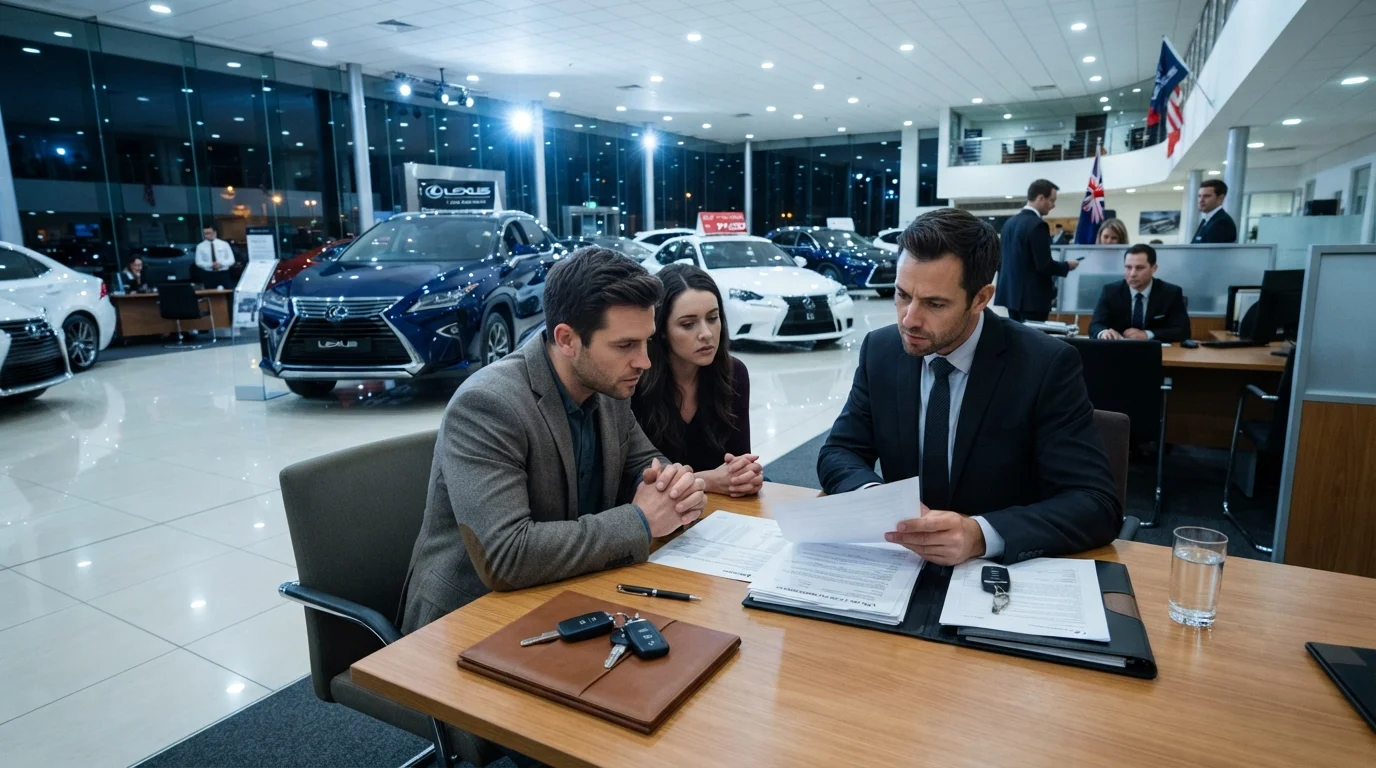
Photo: TrendingResults.net | Discover More, Trend More editorial
Key Takeaways
- Monthly payment framing is a common tactic that can obscure the true total cost of a vehicle.
- Buyers who don't research market value before visiting a dealership are more likely to overpay.
- Separating your trade-in, financing, and purchase negotiations significantly reduces your exposure.
- Add-ons and aftermarket products presented in the finance office often carry the highest markups.
- Knowing the out-the-door price before signing is the only reliable way to compare true costs.
The Structural Advantage Dealers Hold
Dealerships negotiate vehicle transactions every day. Most buyers do it once every several years. That gap in experience is the single biggest reason overpayment happens - and it has little to do with dishonesty on either side. The dealership environment is specifically designed around information asymmetry: salespeople know invoice costs, holdbacks, and incentive structures that buyers typically don't. That built-in knowledge gap shapes every part of the conversation.
Understanding that structure doesn't make dealerships adversaries. Most are legitimate businesses operating within standard industry practices. But knowing how those practices work gives buyers a realistic picture of where money is gained or lost - and how to close the gap.
For a broader look at assumptions that shape buyer behavior before they even arrive, see common myths about car buying that cost shoppers money.
Negotiating around monthly payment instead of total purchase price.
Walking in without knowing the vehicle's market value.
Combining the trade-in negotiation with the new vehicle purchase in a single conversation.
Agreeing to add-ons in the finance office without prior research.
Accepting dealer-arranged financing without comparing outside offers first.
The Finance Office: Where Deals Often Unravel
Many buyers negotiate a purchase price they feel good about, then give back much of that savings in the finance and insurance (F&I) office. This is the room where extended warranties, paint protection packages, GAP insurance, and other add-ons are presented - often after a buyer has already mentally committed to the vehicle.
~$1,000+
Average F&I product markup per vehicle
Industry analysts have estimated that finance and insurance products contribute over $1,000 per vehicle in gross profit at many franchised dealerships, reflecting significant markup above wholesale cost.
3-5 years
Average time between new car purchases
Most American buyers purchase a new vehicle only every three to five years, meaning they face a significant experience disadvantage compared to the sales professionals they negotiate with daily.
Each product presented in the F&I office may have genuine value depending on your situation, but the markups on these items are often substantial. Buyers who arrive fatigued or excited are less likely to evaluate them critically. The solution is simple: research each product independently before your dealership visit and decide in advance which, if any, you want.
Knowing the out-the-door price and what it includes before entering the F&I office is essential. That final number - inclusive of all fees, taxes, and add-ons - is the only figure that lets you accurately compare what you're agreeing to pay.
Watch for Bundled Add-Ons You Didn't Request
The content on this site is provided for informational purposes only and should not be considered a substitute for professional advice. While we strive to provide accurate and up-to-date information, we make no guarantees regarding its completeness or accuracy. Always consult a qualified professional for advice specific to your circumstances before making any decisions.