
Brake Maintenance Myths That Put Drivers at Risk

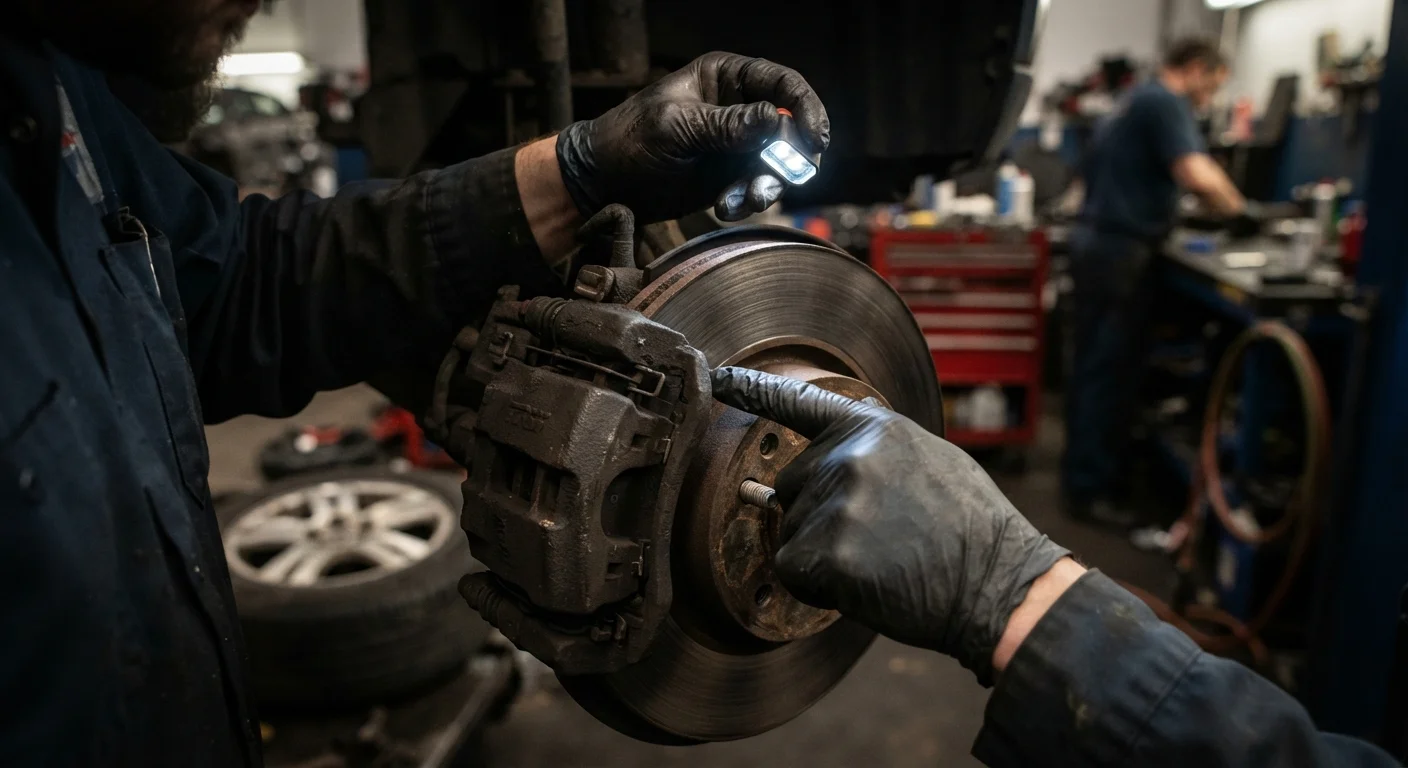
Photo: TrendingResults.net | Discover More, Trend More editorial
Key Takeaways
- Squealing brakes don't always mean worn pads - but they should always be inspected promptly.
- New vehicles still need brake system checks; factory components wear based on driving habits, not age alone.
- Brake fluid absorbs moisture over time and requires periodic replacement regardless of its appearance.
- A soft or spongy brake pedal is a serious safety signal that warrants immediate professional attention.
- Waiting for a dashboard warning light before checking brakes puts you dangerously behind the curve.
Why Brake Myths Are a Real Safety Problem
Brakes are your vehicle's most critical safety system, yet widespread misconceptions lead many drivers to delay inspections, ignore warning signs, or assume everything is fine when it isn't. These gaps in knowledge aren't just costly - they can be dangerous. Understanding what's true and what's myth gives you the confidence to act at the right time, every time.
For a broader look at how safety-related myths affect everyday driving decisions, see our coverage of seatbelt myths that persist despite clear evidence. The pattern is consistent: assumptions passed down through habit can be just as hazardous as outright misinformation.
Myth
If my brakes squeal, it just means the pads are worn out and need replacing.
Fact
Squealing can have several causes, including dust, moisture, or glazed rotors - not just worn pads.
Many brake pads do include a small metal wear indicator that produces a high-pitched squeal when pads reach minimum thickness - that's intentional. But squealing can also result from a light coat of surface rust after rain, brake dust accumulation, or pads that have glazed over from excessive heat. Assuming it's always worn pads means you might replace parts unnecessarily, or worse, miss a different underlying problem. Any persistent or recurring squeal deserves a professional inspection, not a guess.
Myth
New cars don't need brake inspections for the first few years.
Fact
Brake wear depends on driving behavior, not the age of the vehicle - new cars can need service sooner than expected.
A driver who frequently tows, brakes hard in stop-and-go traffic, or drives mountainous terrain can wear through factory brake pads in under 20,000 miles. Conversely, a highway commuter might get 60,000 miles or more from the same components. There is no universal grace period for new vehicles. Brake inspections should be part of your routine service schedule from the start, regardless of how new your car is.
Myth
If the brake pedal feels normal, the brakes are fine.
Fact
Significant brake wear and rotor damage can occur before any change in pedal feel is noticeable to the driver.
Pedal feel is a useful signal, but it's not a complete diagnostic tool. Pads can wear to metal-on-metal contact without dramatically changing how the pedal feels until damage is already severe. Rotor scoring and caliper issues may also develop silently. The absence of an obvious symptom is not a green light - regular visual inspections by a qualified mechanic remain the only reliable way to know the true condition of your brake components.
Myth
Brake fluid never needs to be changed unless there's a leak.
Fact
Brake fluid is hygroscopic - it absorbs moisture from the air over time, which lowers its boiling point and reduces braking performance.
As brake fluid absorbs water, its boiling point drops. Under hard braking, overheated fluid can vaporize and create air pockets in the brake lines - a phenomenon called brake fade or vapor lock - causing the pedal to feel soft or sink toward the floor. Most vehicle manufacturers recommend replacing brake fluid every two to three years, or according to your owner's manual, regardless of appearance. Clear or slightly yellow fluid can still be degraded in ways only a test strip or professional assessment can confirm.
Myth
The brake warning light on the dashboard is the first reliable sign of a problem.
Fact
The warning light is a last-resort alert; by the time it illuminates, a problem is often already well advanced.
The brake warning light typically activates when fluid drops to a critically low level or, in vehicles with electronic pad sensors, when pads are nearly gone. Neither condition represents an early warning - both indicate that the system has already reached a threshold requiring urgent action. Relying on the light as your primary alert system means routine inspection opportunities have already been missed. Think of the warning light as a backup, not a maintenance schedule.
Myth
Pumping the brakes rapidly is the right way to stop quickly in an emergency.
Fact
Modern vehicles equipped with anti-lock braking systems (ABS) are designed to be applied with firm, continuous pressure during emergency stops.
Pumping the brakes was sound advice for older vehicles without ABS, because it prevented wheel lockup and allowed the driver to maintain steering. ABS does this automatically, many times per second, far more precisely than a driver can manually pump. Pumping the pedal on an ABS-equipped vehicle can actually interfere with the system. In a panic stop, press the brake pedal firmly and hold it while steering around obstacles - let the ABS work as designed. Check your owner's manual to confirm whether your vehicle has ABS and how the manufacturer recommends using it.
What Responsible Brake Maintenance Actually Looks Like
Good brake maintenance isn't about reacting to crises - it's about building habits that keep problems from developing in the first place. Most manufacturers recommend a visual brake inspection at every tire rotation, roughly every 5,000 to 7,500 miles. A qualified technician can check pad thickness, rotor condition, and fluid level without removing a wheel in many cases.
A Spongy or Sinking Pedal Requires Immediate Action
Brake health is also closely tied to tire condition. Uneven tire wear, for example, can point to alignment or suspension issues that affect how evenly your brakes distribute stopping force. Our article on why tires wear unevenly explores the root causes worth understanding alongside brake care. Similarly, commonly overlooked maintenance tasks including brake fluid changes - often go unaddressed until a system fails.
If you ever notice a fluid spot under your parked vehicle near a wheel, don't assume it's inconsequential. Our guide on reading the fluid under your car explains when a drip signals brake fluid loss - a situation that demands immediate attention.
Never Ignore Metal-on-Metal Grinding
The content on this site is provided for informational purposes only and should not be considered a substitute for professional advice. While we strive to provide accurate and up-to-date information, we make no guarantees regarding its completeness or accuracy. Always consult a qualified professional for advice specific to your circumstances before making any decisions.