
The Maintenance Tasks Drivers Forget Until Something Breaks

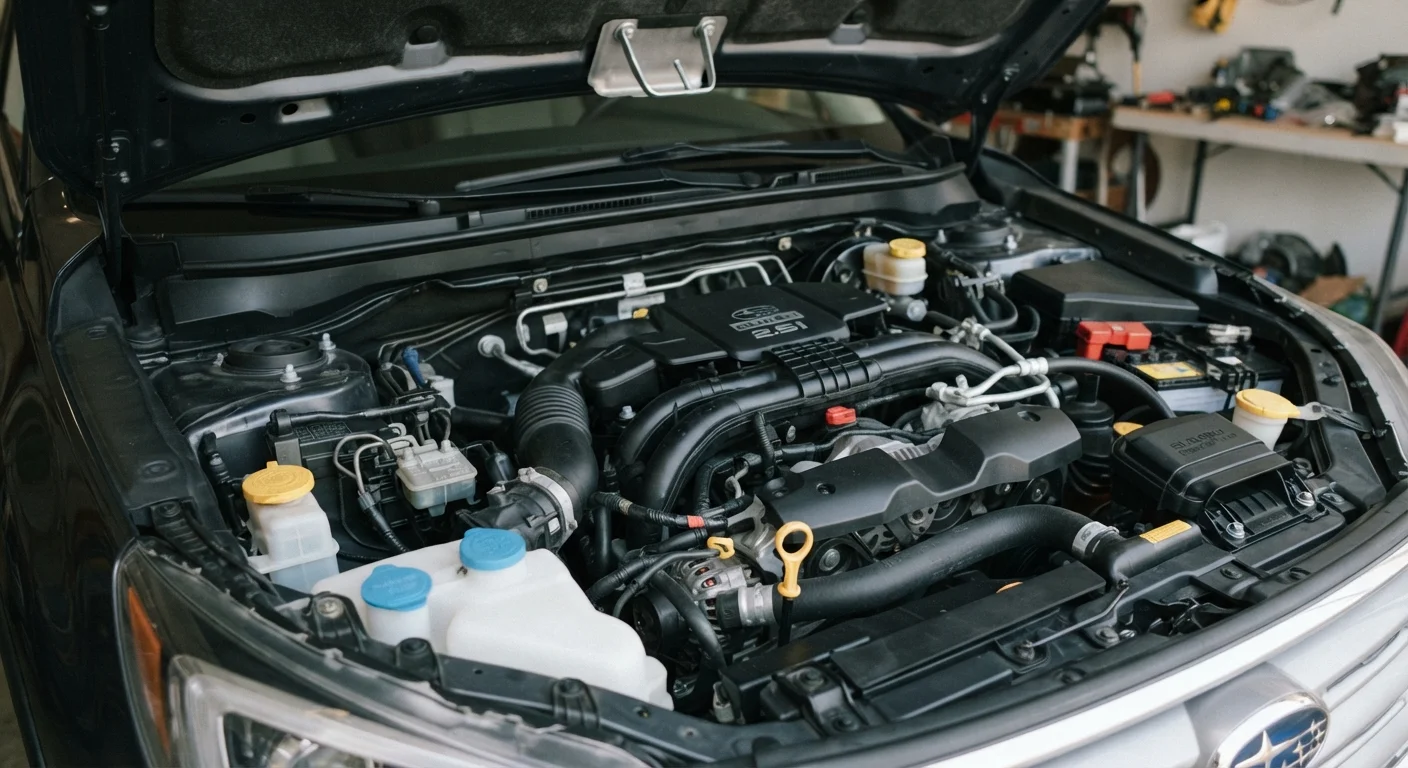
Photo: TrendingResults.net | Discover More, Trend More editorial
Key Takeaways
- Several critical maintenance tasks are commonly skipped because they show no obvious warning signs until failure occurs.
- Cabin air filters, transmission fluid, and coolant are among the most frequently neglected service items.
- Neglecting these tasks can shorten your vehicle's lifespan and lead to significantly more expensive repairs.
- Most forgotten maintenance items have straightforward service intervals outlined in your owner's manual.
- Keeping a maintenance log helps ensure nothing falls through the cracks between scheduled service visits.
The Quiet Failures You Don't See Coming
Most drivers stay on top of oil changes and tire rotations - the reminders are hard to miss. But there's a longer list of maintenance tasks that rarely announce themselves until something actually fails. These items don't trigger dashboard lights, don't make obvious noises, and don't slow you down on any given morning. They just quietly degrade until the repair bill arrives.
Understanding what tends to get overlooked - and why it matters - puts you in a much better position than waiting for symptoms. Your owner's manual lifespan reference is your best starting point, but this list covers the tasks that even experienced drivers routinely skip.
Engine Air Filter
The engine air filter prevents dirt, dust, and debris from entering your engine's intake. A clogged filter forces the engine to work harder, which can reduce fuel efficiency and, over time, affect power output. Most manufacturers recommend replacing it every 15,000 to 30,000 miles, though driving in dusty or rural environments can shorten that interval considerably.
The filter is typically located in a black plastic housing near the top of the engine and is straightforward to inspect visually. A filter that looks dark gray or clogged with debris is overdue for replacement.
A clogged engine air filter quietly reduces fuel efficiency long before you notice any performance change.
Cabin Air Filter
Separate from the engine air filter, the cabin air filter cleans the air that flows through your heating, ventilation, and air conditioning (HVAC) system into the passenger compartment. When it gets clogged, airflow drops noticeably - you may find yourself cranking the fan higher than you used to just to feel air moving. Musty odors from the vents are another common sign.
Replacement intervals typically fall between 12,000 and 25,000 miles, depending on the manufacturer. The filter is usually located behind the glove box or under the dashboard, and in many vehicles, the swap is genuinely a five-minute job.
A clogged cabin air filter is one of the most common causes of weak airflow from your car's vents.
Transmission Fluid
Transmission fluid lubricates the components inside your transmission and helps manage heat. Over time it breaks down, becomes contaminated with metal particles, and loses its ability to protect internal parts. Unlike engine oil, it doesn't burn away quickly, which is partly why drivers forget about it - the level stays relatively stable even as the quality degrades.
Some manufacturers market certain transmissions as having "lifetime" fluid, but many mechanics caution that fluid changes at regular intervals - often every 30,000 to 60,000 miles depending on the vehicle - can meaningfully extend transmission life. Check your owner's manual for the recommendation specific to your vehicle, and note that transmission repairs rank among the most expensive automotive jobs.
Transmission fluid degrades without disappearing, making it easy to overlook until internal damage is already done.
Coolant (Antifreeze)
Engine coolant regulates operating temperature and prevents both overheating and freezing. Over time, it becomes acidic and loses its protective additives, which can corrode hoses, the radiator, and other cooling system components. Overheating is one of the more damaging things that can happen to an engine, and a neglected cooling system is a common contributor.
Coolant should typically be flushed and replaced every two to five years or 30,000 to 50,000 miles, depending on the type of coolant and your vehicle. The color of the coolant (green, orange, pink) indicates the formulation - mixing types can cause problems, so always use what your owner's manual specifies. Cooling system work often warrants a professional given the pressurized nature of the system.
Acidic, degraded coolant corrodes your cooling system from the inside out - a problem that builds silently over years.
Brake Fluid
Brake fluid is hygroscopic, meaning it absorbs moisture from the air over time. As water content rises, the fluid's boiling point drops - which matters because heat is generated every time you brake. In extreme cases, moisture-saturated fluid can boil under hard braking, forming vapor bubbles that compress instead of transferring force, resulting in a spongy or fading pedal.
Most manufacturers recommend flushing brake fluid every two years regardless of mileage. It's a relatively low-cost service that directly affects a critical safety system. For a broader look at brake system maintenance and common misconceptions, see our brake maintenance myths guide.
Brake fluid absorbs moisture over time, gradually lowering the boiling point that keeps your brakes responsive under stress.
Spark Plugs
Spark plugs ignite the air-fuel mixture in each cylinder. As they wear, ignition becomes less reliable - leading to misfires, rough idling, reduced fuel economy, and sluggish acceleration. Because the degradation happens gradually, drivers often adapt to the subtle changes without realizing performance has slipped.
Conventional spark plugs often require replacement every 30,000 miles, while iridium or platinum plugs can last 60,000 to 100,000 miles. Replacement intervals vary significantly by engine type and plug material, so the owner's manual is the authoritative reference. Access difficulty varies by vehicle - some engines make plug replacement easy, others require significant disassembly.
Worn spark plugs erode fuel economy and engine responsiveness so gradually that most drivers don't notice until they're replaced.
Don't Wait for Something to Break
The pattern with all of these items is the same: they degrade gradually, show no obvious symptoms until late in the process, and then demand attention at the worst possible moment. Proactive maintenance isn't about being overly cautious - it's about making smaller, predictable investments instead of larger, unexpected ones.
Set Reminders Based on Miles, Not Months
If you're unsure which of these tasks you can handle yourself and which require a shop, the DIY vs. mechanic guide lays out a practical framework. And once you've caught up on deferred items, building a simple service log will help you stay ahead - maintenance records matter more than most drivers realize.
This article is for general informational purposes only. Always consult your vehicle's owner's manual and a qualified mechanic for guidance specific to your make, model, and driving conditions.
The content on this site is provided for informational purposes only and should not be considered a substitute for professional advice. While we strive to provide accurate and up-to-date information, we make no guarantees regarding its completeness or accuracy. Always consult a qualified professional for advice specific to your circumstances before making any decisions.