
Keeping Maintenance Records: Why the Paperwork Matters More Than You'd Expect

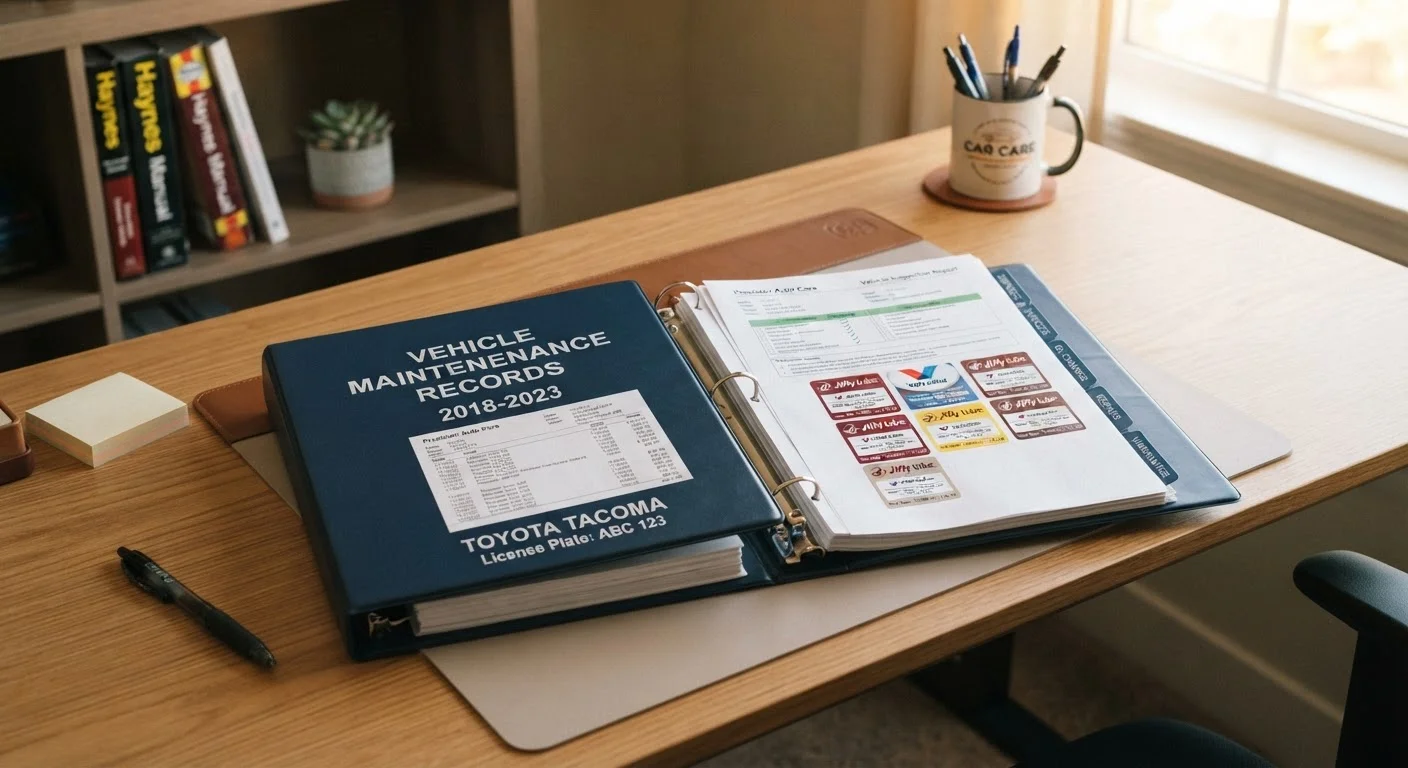
Photo: TrendingResults.net | Discover More, Trend More editorial
Key Takeaways
- A documented service history can increase a used vehicle's resale value and buyer confidence.
- Complete records are often required to support warranty claims and recall compliance.
- Both digital and paper records are valid - consistency and completeness matter most.
- Every service visit, even a basic oil change, deserves a written or digital entry.
- Gaps in maintenance records can raise red flags for buyers and insurers alike.
Why Maintenance Records Are More Than Filing Chores
Most drivers treat service receipts like grocery store slips - glanced at, then tossed. That habit is more costly than it seems. A well-maintained record of your vehicle's service history functions as both financial documentation and a mechanical timeline. When something goes wrong - or when you're ready to sell - that stack of paper (or folder of digital files) can mean the difference between a smooth process and an expensive dispute.
Buyers of used vehicles routinely place higher value on cars with verifiable service histories. A vehicle with documented oil changes, tire rotations, and scheduled inspections signals that it was cared for. One without records leaves buyers guessing - and guessing conservatively. If you're evaluating a used vehicle, the first thing you should ask for is the service history.
Records also matter during ownership. When a component fails and a warranty claim is involved, manufacturers and dealers commonly ask for proof that scheduled maintenance was performed. Without documentation, a valid claim can be denied on the grounds that the owner failed to maintain the vehicle per the manufacturer's specifications.
“A vehicle's service history is one of the most honest signals of how it was treated. Buyers pay for documented care - and they discount heavily when that documentation is missing.”
— Consumer Reports Automotive Division, Long-running vehicle reliability and ownership research organization
Best Practices for Building a Reliable Service Record
The goal isn't perfection - it's consistency. A clear, chronological record that covers the basics is far more useful than a spotty collection of some receipts. Here's how to do it right.
Save every service receipt, even for minor work.
Record the mileage at every service interval, not just the date.
Keep both a physical backup and a digital copy of records.
Document work performed by anyone - shop, dealer, or yourself.
Review and organize your records at least once a year.
Quick Actions You Can Take Today
You don't need a perfect system from day one. A few simple steps taken now will put you well ahead of most drivers.
If you're new to tracking this kind of detail, our guide on building maintenance habits as a new driver is a practical starting point. For a broader view of service intervals and part lifespans, see our reference on how long car parts actually last.
Records, Warranties, and What Gaps Can Cost You
Warranty coverage - whether factory or extended - typically comes with maintenance obligations written into the terms. If a drivetrain component fails and you can't demonstrate that scheduled fluid changes or inspections were completed, the warranty provider has grounds to dispute the claim. This is especially relevant for extended warranties and prepaid maintenance plans, where coverage terms can be more specific than buyers realize.
Similarly, recall notices sometimes require proof of prior inspections before a repair is authorized or covered. Keeping a record ensures you can respond to these situations with documentation rather than memory.
The same logic applies to maintenance tasks that are easy to overlook. Items like cabin air filters, transmission fluid, and coolant - all covered in our guide on maintenance tasks drivers forget - often go unrecorded precisely because they're invisible until they cause problems. Logging them costs nothing; skipping the log can cost significantly more.
A Note on Third-Party Maintenance Logs
The content on this site is provided for informational purposes only and should not be considered a substitute for professional advice. While we strive to provide accurate and up-to-date information, we make no guarantees regarding its completeness or accuracy. Always consult a qualified professional for advice specific to your circumstances before making any decisions.