
Car Maintenance for New Drivers: Building Habits That Protect Your Vehicle

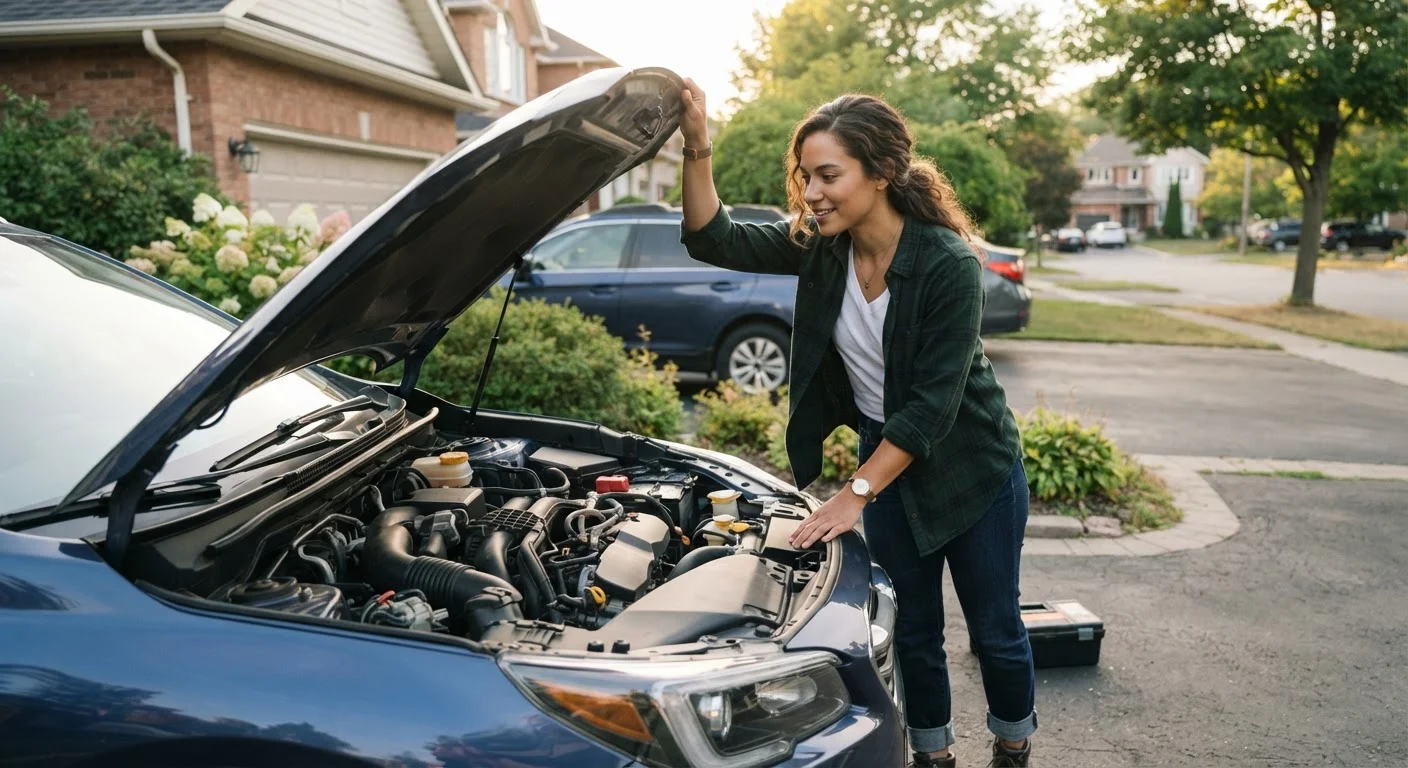
Photo: TrendingResults.net | Discover More, Trend More editorial
Key Takeaways
- Consistent small habits - checking fluids, tires, and lights - prevent most common breakdowns.
- Your owner's manual is the most reliable guide for your specific vehicle's maintenance intervals.
- Oil, coolant, brake fluid, and tire pressure are the four checks every driver should know how to perform.
- Keeping a maintenance log protects your car's resale value and simplifies future repairs.
- Some tasks are safe to learn yourself; others require a licensed mechanic for safety reasons.
Why Maintenance Habits Matter from Day One
Most mechanical problems don't appear without warning - they develop slowly as small issues go unaddressed. For new drivers, this is important to understand early: your car communicates through sounds, smells, and dashboard indicators long before a breakdown happens. Learning to pay attention is the first maintenance skill.
Neglecting routine upkeep affects more than reliability. Poorly maintained vehicles can handle differently in emergency situations, making defensive driving harder to execute when it counts. There's also a financial dimension - deferred maintenance often means larger repair bills later.
If you're starting with a used vehicle, understanding what's already been done (or skipped) is essential. A used car maintenance starting checklist can help you identify where you stand from day one.
Owner's manual
The booklet that comes with your vehicle and contains manufacturer specifications, maintenance schedules, and instructions specific to your car's make and model.
Tire pressure (PSI)
The amount of air inside your tires, measured in pounds per square inch. Correct pressure keeps your car handling predictably and tires wearing evenly.
Tread depth
The measurement of the grooves in your tire surface. Adequate tread depth allows water to escape under the tire, reducing the risk of skidding on wet roads.
Dipstick
A long metal rod in your engine bay used to measure oil level. You pull it out, wipe it clean, reinsert it, and read where the oil line falls.
Brake fluid
A hydraulic fluid that transfers force from your brake pedal to the brake components at each wheel. It needs to be clean and at the correct level to work properly.
Coolant (antifreeze)
A liquid that circulates through your engine to regulate its temperature, preventing overheating in summer and freezing in winter.
The Fluids You Need to Know
Fluids are the lifeblood of your vehicle. Keeping them at proper levels and replacing them on schedule prevents the majority of common mechanical failures. Here are the five every new driver should understand:
- Engine oil: Lubricates moving parts and reduces heat. Check the dipstick monthly and change oil at the interval specified in your owner's manual - typically every 5,000 to 7,500 miles for conventional oil, though this varies by vehicle.
- Coolant (antifreeze): Keeps your engine from overheating in summer and freezing in winter. Check the reservoir level visually - never open the radiator cap when the engine is hot.
- Brake fluid: Hydraulic fluid that transmits force when you press the brake pedal. A low or discolored level can signal a leak or that fluid has absorbed moisture and needs replacement.
- Power steering fluid: If your car has traditional hydraulic power steering, this fluid makes turning easier. Many newer vehicles use electric power steering and don't require this check.
- Windshield washer fluid: Not mechanical, but visibility is safety - keep it filled, especially heading into seasons with road grime or precipitation.
Several other fluids - transmission fluid, differential fluid, and coolant - fall into the category of maintenance tasks drivers commonly overlook until something goes wrong.
Use Your Owner's Manual First
Tires, Brakes, and Lights: Your Safety Basics
These three systems directly determine whether your car responds safely when it matters most.
Tires
Check tire pressure at least once a month and before long trips. The correct PSI for your vehicle is on the sticker inside your driver's door jamb. Also inspect tread depth - the classic penny test works: insert a penny into a tread groove with Lincoln's head facing down. If you can see all of Lincoln's head, the tread is too worn and tires need replacing. Uneven wear patterns can indicate alignment or suspension issues worth having a mechanic evaluate.
Brakes
Listen for squealing or grinding when braking, and note if the pedal feels soft or the car pulls to one side when stopping. These are signals to get brakes inspected promptly. Brake components have realistic service lives that vary by driving style and conditions - our reference on how long car parts actually last can help set realistic expectations.
Lights
Walk around your vehicle periodically and check that all exterior lights - headlights, taillights, brake lights, and turn signals - are functioning. A burned-out brake light is a safety hazard and a ticketable offense in most states. Many bulbs can be replaced without tools, but check your owner's manual first.
Building a Simple Maintenance Schedule
A maintenance schedule doesn't need to be complicated. Your owner's manual outlines manufacturer-recommended intervals - this is always the best starting point over generalized advice, because intervals vary by make, model, and engine type.
As a general framework, most drivers benefit from organizing tasks into three time horizons:
- Monthly (or every few fill-ups): Check oil level, tire pressure, and all fluid reservoirs. Inspect exterior lights.
- Every 6 months or 5,000-7,500 miles: Oil and filter change (verify your specific interval), tire rotation, and a visual brake inspection.
- Annually or at higher mileage: Air filter replacement, cabin air filter, battery test, and a full brake system inspection. Weather transitions are a natural prompt - our guide to seasonal car maintenance explains what each season stresses most.
Write down every service with the date and mileage. That log has real value: it supports warranty claims, helps mechanics diagnose problems accurately, and adds to resale appeal. Keeping maintenance records is a habit worth building from your first oil change.
Digital Apps Can Simplify Tracking
When to Call a Mechanic
Knowing what you can handle yourself - and when to step back - is a genuine skill. Some tasks, like checking fluids or swapping a cabin air filter, are well within reach for most people with basic tools and a little research. Others involve safety-critical systems or require specialized equipment.
Our in-depth look at DIY car maintenance vs. taking it to a mechanic lays out exactly how to draw that line. As a rule of thumb: brake system work, electrical faults, suspension repairs, and anything involving airbags or emissions control systems should always be handled by a qualified mechanic.
When your dashboard warning lights illuminate, don't ignore them or assume they'll resolve on their own. Some warnings - like the oil pressure or temperature gauge - require you to stop driving immediately to avoid engine damage. Others, like a tire pressure monitor light, are lower urgency but still need attention. Consulting your owner's manual is always the right first step.
New drivers who understand their vehicle's maintenance needs - and aren't afraid to ask questions - are far better positioned to avoid the common mistakes new drivers make in their first year.
Frequently Asked Questions
The content on this site is provided for informational purposes only and should not be considered a substitute for professional advice. While we strive to provide accurate and up-to-date information, we make no guarantees regarding its completeness or accuracy. Always consult a qualified professional for advice specific to your circumstances before making any decisions.