
What New Drivers Often Get Wrong in Their First Year

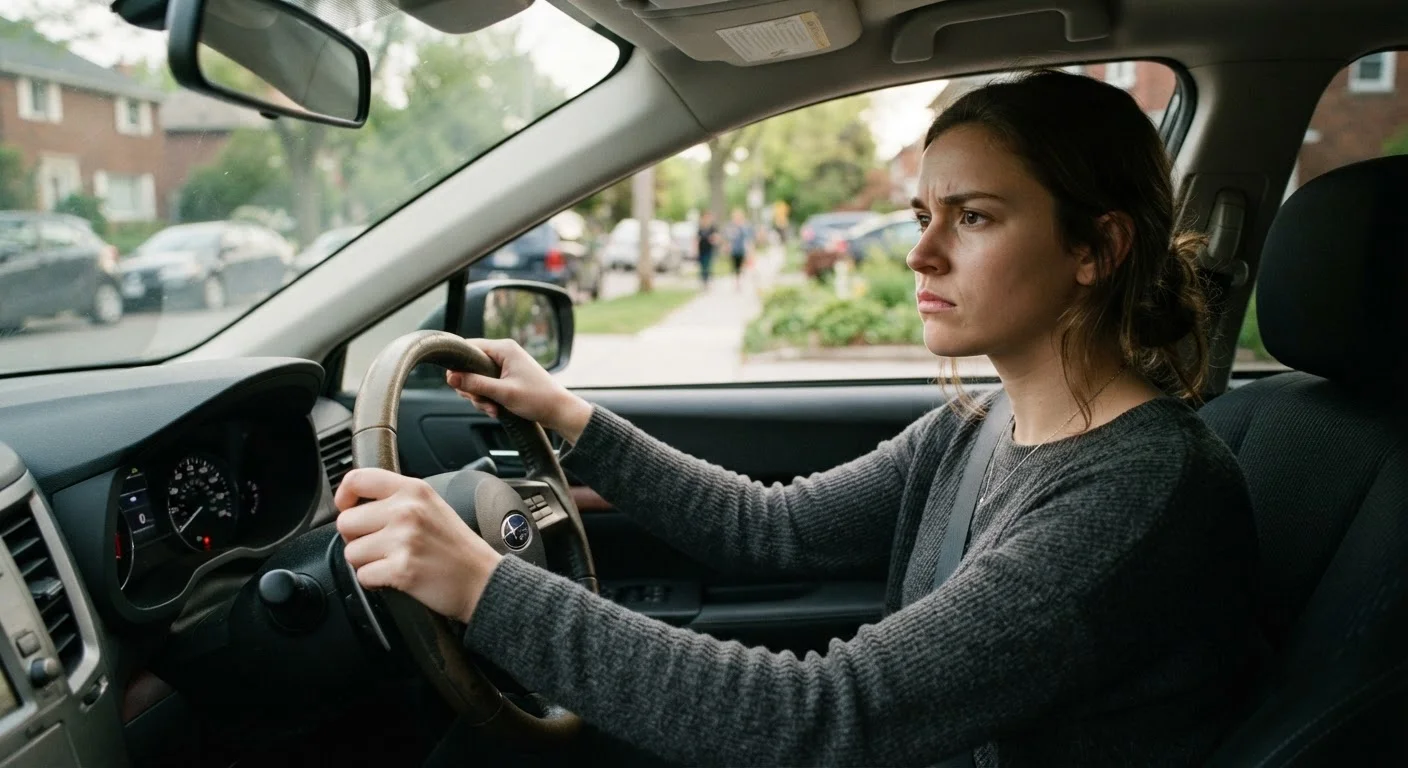
Photo: TrendingResults.net | Discover More, Trend More editorial
Key Takeaways
- New drivers are significantly more likely to be involved in a crash during their first year of solo driving.
- Many early mistakes stem from overconfidence, distraction, or gaps in formal driving education.
- Building strong habits early - like following distance, speed management, and scanning ahead - dramatically reduces risk.
- Understanding right-of-way rules and night driving risks are areas where new drivers consistently fall short.
- Regular vehicle maintenance checks are often overlooked by new drivers, adding preventable mechanical risk.
Why the First Year Behind the Wheel Is the Most Dangerous
Getting a driver's license is a milestone, but it's also the start of a high-risk period that demands real caution. Research from the CDC shows that teen drivers aged 16-19 are nearly four times more likely to be involved in a fatal crash per mile driven compared to older, experienced drivers. The first year of solo driving - when supervision disappears and confidence can outpace skill - is when most preventable incidents happen.
The reasons aren't mysterious. New drivers lack the automatic, background processing that experienced drivers use to manage speed, scan hazards, and predict other road users' behavior simultaneously. When every action still requires conscious effort, the mental load is high and the margin for error is narrow.
Understanding where new drivers most commonly go wrong is the first step toward avoiding those patterns yourself.
Distraction Is the Leading Risk Factor
The Most Common Mistakes New Drivers Make
The errors below aren't about recklessness - most new drivers aren't being careless on purpose. They reflect the predictable gaps between classroom learning and real-world complexity. Recognizing them early gives you a meaningful advantage.
Following too closely behind the vehicle ahead.
Speeding in unfamiliar or changing road conditions.
Misreading or ignoring right-of-way rules at intersections and merges.
Driving while distracted by a phone or passengers.
Neglecting basic vehicle maintenance checks.
Struggling with roundabouts and complex intersections.
4x
Crash rate vs. experienced drivers
According to the CDC, teen drivers aged 16-19 are nearly four times more likely to be in a fatal crash per mile driven than drivers aged 25 and older.
56%
Teen crash deaths involve speeding or distraction
NHTSA data indicates that speeding and distraction are involved in the majority of fatal crashes among young drivers in the United States.
100 days
The '100 Deadliest Days' for teen drivers
AAA identifies the period between Memorial Day and Labor Day as especially high-risk for teen drivers due to increased miles driven and peer passengers.
Building Better Habits From the Start
The good news: none of these mistakes are inevitable. The drivers who stay safe in their first year tend to share a few common traits - they treat every drive as an opportunity to practice deliberate habits, they stay humble about the limits of their experience, and they seek out information proactively rather than waiting to learn from a close call.
A few practices worth building early:
- Scan ahead, not just in front of you. Train yourself to look 10-15 seconds down the road, not just at the bumper ahead. This gives you more time to react to developing hazards.
- Narrate hazards aloud. Some driving coaches recommend briefly verbalizing what you see - "pedestrian at the curb," "light turning yellow." It reinforces active attention.
- Review and reflect. After a drive, think about one or two moments where you felt uncertain. What would have helped? That reflection compounds over time.
If you're also navigating other firsts in adult life - like managing your own finances - the same principle applies: knowledge gaps are normal, but closing them early matters. Readers working through financial firsts might also find value in our piece on common mistakes new savers make, which applies the same "know before you go" mindset.
Night Driving Requires Extra Preparation
The content on this site is provided for informational purposes only and should not be considered a substitute for professional advice. While we strive to provide accurate and up-to-date information, we make no guarantees regarding its completeness or accuracy. Always consult a qualified professional for advice specific to your circumstances before making any decisions.