
Before You Drive Off the Lot: A Used Car Maintenance Starting Checklist

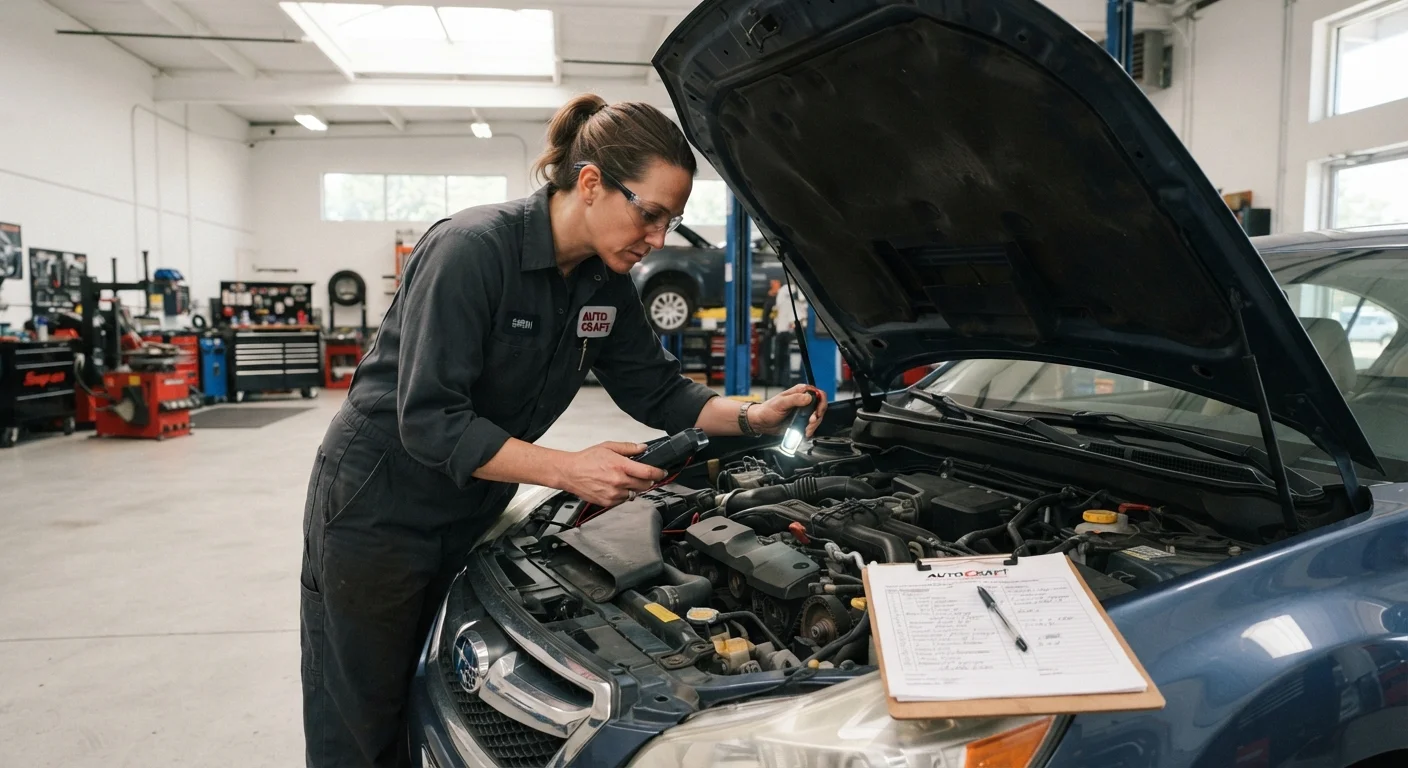
Photo: TrendingResults.net | Discover More, Trend More editorial
Key Takeaways
- A used vehicle inherits its previous owner's maintenance habits - good or bad.
- Checking fluids, tires, brakes, and filters on day one helps you avoid preventable breakdowns.
- A vehicle history report complements but does not replace a hands-on inspection.
- Establishing a maintenance baseline immediately protects your investment from the start.
- Some items require a qualified mechanic - know which tasks are beyond a DIY check.
Why a Starting Checklist Matters for Used Cars
When you purchase a used vehicle, you're also inheriting every maintenance decision - and every overlooked service - from the drivers who came before you. Unlike buying new, there's no factory-fresh baseline to rely on. The oil may be overdue. The tires may be wearing unevenly. The cabin air filter might not have been touched in years.
This checklist is designed to give you a clear, honest picture of your vehicle's condition within the first week of ownership, so you can prioritize what needs attention now versus what can wait. It isn't a substitute for a pre-purchase inspection - if you haven't done that yet, see our guide on what to inspect on a used car before you agree to anything. This checklist picks up where that leaves off: you've bought the car, and now you need to know exactly what you're working with.
Running through these items systematically also sets you up for good habits going forward. If you're a newer driver, our article on building car maintenance habits from day one pairs well with this checklist.
Some Checks Require a Qualified Mechanic
Tools and Resources You'll Need
Most of these checks require only basic tools and a clean, level surface. A few will require a visit to a qualified mechanic - those are clearly marked. Don't attempt repairs or inspections that involve your vehicle's electrical system, fuel system, or safety-critical components unless you have verified training and experience.
Tire pressure gauge
Measures air pressure in all four tires and the spare to ensure they match the manufacturer's recommended PSI.
Tread depth gauge
Accurately measures remaining tire tread depth to determine whether tires are safe to continue using.
Flashlight or work light
Illuminates the engine bay, undercarriage, and tight spaces for a thorough visual inspection.
OBD-II scanner
Reads stored diagnostic trouble codes from the vehicle's computer to identify any hidden issues triggering warning lights.
Clean lint-free rags
Used when checking dipsticks and wiping fluid residue for accurate color and condition assessment.
Owner's manual
Contains manufacturer-specified fluid types, service intervals, and component locations specific to your vehicle.
Notepad or phone notes app
Records findings from each checklist item to create an immediate maintenance baseline and service log.
The Full Starting Checklist
Work through these groups in order. Start under the hood, then move to the exterior and tires, and finish with documents. Take notes as you go - this information will form the foundation of your maintenance records. Our complementary article on why maintenance records matter more than you'd expect explains how to organize and preserve what you discover.
Fluids
Tires and Wheels
Brakes and Safety Systems
Filters and Belts
Under the Vehicle
Documents and Records
Never Ignore Persistent Warning Lights
Once you've completed the checklist, cross-reference your findings with the vehicle's history report. If you haven't yet pulled one, our guide to reading a vehicle history report without getting lost in the details walks you through the sections that matter most. For the broader context of your purchase, The Full Car-Buying Journey covers every stage from research through signing. Finally, note that seasonal conditions can accelerate wear on several of the items listed here - see our seasonal car maintenance guide to plan ahead.
The content on this site is provided for informational purposes only and should not be considered a substitute for professional advice. While we strive to provide accurate and up-to-date information, we make no guarantees regarding its completeness or accuracy. Always consult a qualified professional for advice specific to your circumstances before making any decisions.