
DIY Car Maintenance vs. Taking It to a Mechanic

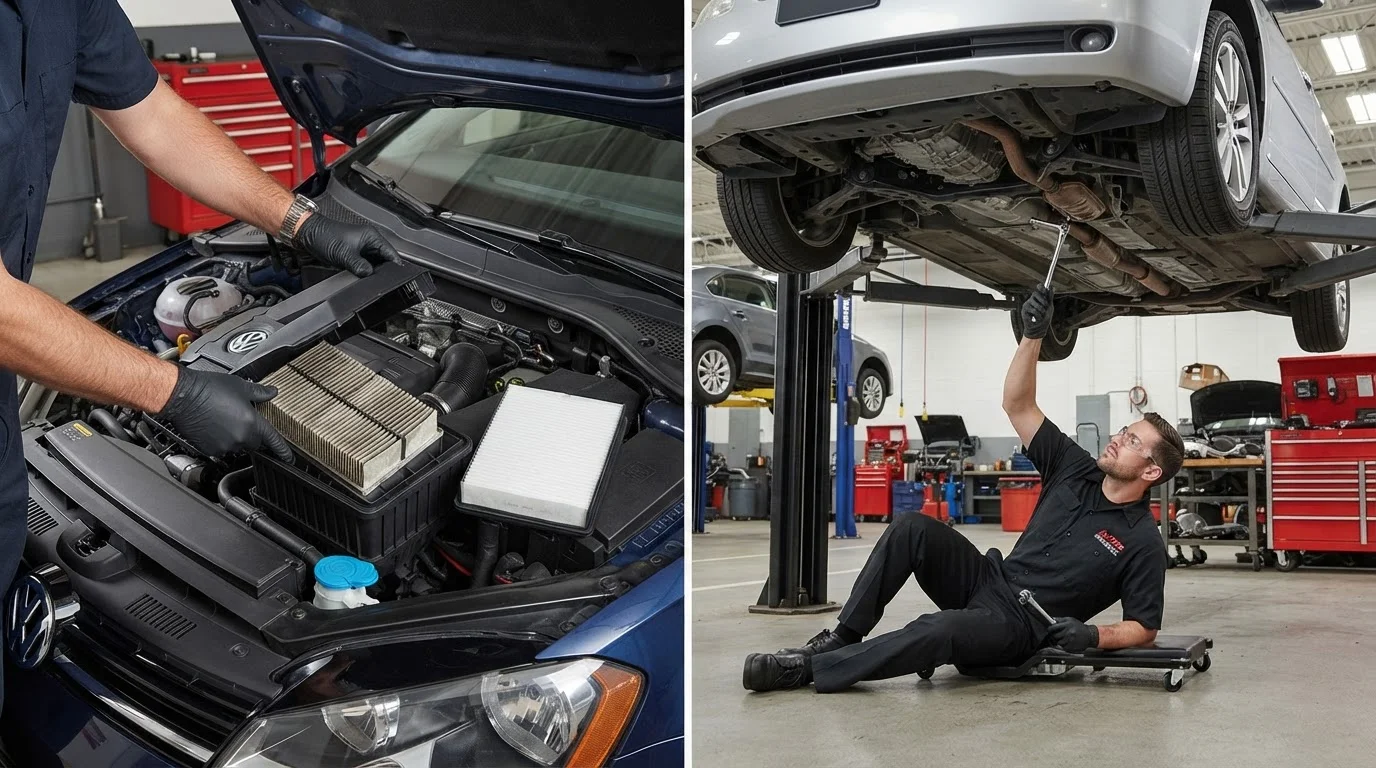
Photo: TrendingResults.net | Discover More, Trend More editorial
Key Takeaways
- Many routine tasks - like replacing air filters or wiper blades - are safe and straightforward for most drivers to do at home.
- Jobs involving brakes, suspension, or electrical systems typically require professional tools, training, and diagnostic equipment.
- Attempting complex repairs without proper knowledge can create safety risks and sometimes void a vehicle warranty.
- The right choice depends on your skill level, available tools, and the specific task - not a one-size-fits-all rule.
Why This Decision Matters More Than You Might Think
Car ownership comes with a steady stream of maintenance decisions, and every driver eventually faces the same question: can I handle this myself, or do I need a professional? The answer affects your wallet, your time, and - critically - your safety on the road.
DIY car maintenance has real appeal. Labor costs at repair shops can account for a significant share of a service bill, so tackling straightforward tasks yourself can mean meaningful savings over time. But the calculus changes quickly when a job requires specialized tools, technical knowledge, or carries serious safety consequences if done incorrectly.
This guide lays out a practical framework for making that call confidently, task by task. For a broader look at building smart upkeep habits, see our guide for new drivers.
Tasks Most Drivers Can Safely Handle at Home
A meaningful set of maintenance jobs require no specialized equipment and carry low risk if done carefully. These are reasonable starting points for drivers who want to learn hands-on vehicle care:
- Engine and cabin air filter replacement: Typically involves removing a housing with a clip or a few screws. Your owner's manual shows the location and the correct filter specification.
- Windshield wiper blade replacement: Most wiper arms use a simple tab-release mechanism, and replacement blades include instructions. Takes under ten minutes.
- Checking and topping off fluids: Engine oil, coolant reservoir, brake fluid reservoir, and washer fluid all have clearly labeled caps and visible minimum/maximum markers. Always use the fluid type specified in your owner's manual.
- Battery terminal cleaning: Corrosion buildup on terminals can cause starting problems. Disconnecting and cleaning them with a wire brush is manageable for most people - just follow proper disconnect order (negative first).
- Tire pressure adjustment: A quality tire gauge and an air compressor (or a gas station air pump) are all you need. Correct pressure is listed on the driver's door jamb sticker, not on the tire sidewall.
Don't underestimate the items that are easy to forget. Our article on maintenance tasks drivers overlook covers several that quietly affect performance.
| Task | DIY Feasibility | Tools Required | Safety Risk if Done Wrong | Typical Skill Level | |
|---|---|---|---|---|---|
| Air filter replacement | High | None or basic | Very low | Beginner | |
| Wiper blade replacement | High | None | Very low | Beginner | |
| Fluid top-offs | High | None | Low | Beginner | |
| Tire pressure check | High | Tire gauge | Low | Beginner | |
| Brake pad replacement | Low | Specialized tools needed | High | Advanced | |
| Timing belt service | Very low | Specialized tools needed | Very high | Expert | |
| Electrical/diagnostic work | Very low | Scan tool + software | Moderate to high | Expert |
Jobs That Genuinely Belong in a Professional Shop
Some repairs look approachable on a video tutorial but carry serious consequences if performed incorrectly. These are jobs where professional service is the responsible choice:
- Brake system work: Pad replacement may seem straightforward, but brake jobs also require inspecting rotors, calipers, and hydraulic lines. An error here directly affects stopping ability.
- Suspension and steering components: Replacing ball joints, tie rods, or struts requires alignment afterward and involves parts that affect vehicle handling under load.
- Timing belt or chain service: Requires precise reassembly. A mistake can cause severe and immediate engine damage.
- Transmission service beyond fluid changes: Internal transmission work requires specialized tools and a controlled environment.
- Electrical and diagnostic work: Modern vehicles rely on interconnected computer systems. Reading and clearing fault codes requires a scan tool, and deeper electrical diagnosis needs factory-level software in many cases.
- Emissions-related repairs: Tampering with emissions controls is illegal under federal law. Always have these addressed by a licensed technician.
Warranty and Legal Considerations
If you're unsure whether a warning light or symptom needs same-day attention, our article on urgent vs. non-urgent mechanic visits can help you assess.
How to Make the Call: A Practical Framework
When you're on the fence about a job, work through these four questions before picking up a wrench:
- Is safety directly at stake? If the system affects braking, steering, or structural integrity, err firmly toward professional service.
- Do I have the right tools? A missing torque wrench, specialty socket, or diagnostic scanner isn't just inconvenient - it can mean the job gets done incorrectly.
- Could this affect my warranty or insurance? Some manufacturer warranties specify authorized service for certain repairs. Check your documentation before proceeding.
- What does the owner's manual say? It's the most reliable, vehicle-specific reference you have. Service intervals, fluid specifications, and warnings are all there.
If you're choosing between motor oil types before your next DIY oil change, our article on conventional vs. synthetic motor oil explains what the difference actually means for your engine.
This article is for general informational purposes only. Always follow your vehicle manufacturer's guidelines and consult a qualified, licensed mechanic for repairs involving safety-critical systems or when in doubt about the correct procedure.
The content on this site is provided for informational purposes only and should not be considered a substitute for professional advice. While we strive to provide accurate and up-to-date information, we make no guarantees regarding its completeness or accuracy. Always consult a qualified professional for advice specific to your circumstances before making any decisions.