
Seasonal Car Maintenance: Preparing Your Vehicle for Weather Changes

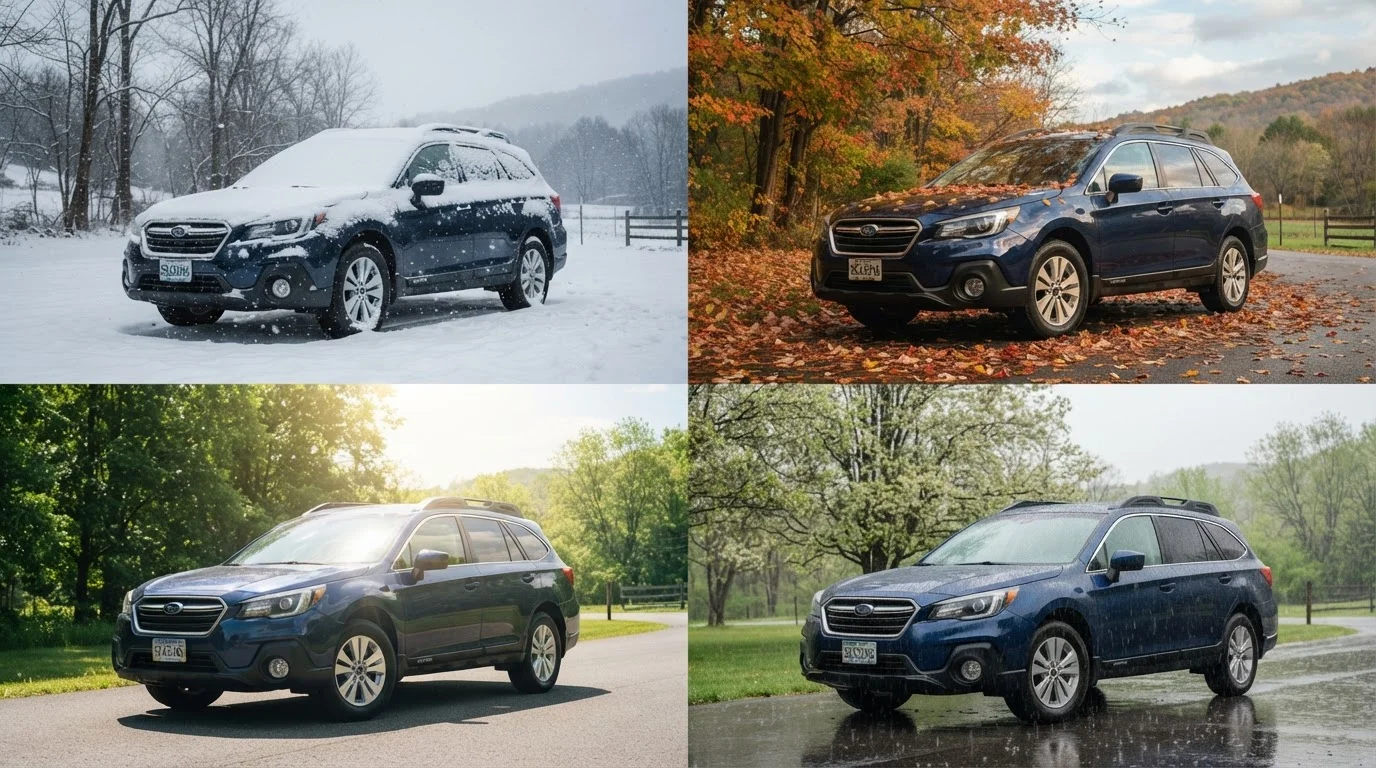
Photo: TrendingResults.net | Discover More, Trend More editorial
Key Takeaways
- Each season creates distinct stress on tires, batteries, fluids, and cooling or heating systems.
- Spring and fall are the two most critical transition windows for a thorough vehicle check.
- Tire pressure drops roughly 1 PSI for every 10°F drop in temperature - check monthly in cold months.
- A weak battery often goes unnoticed until cold weather kills it; test it every fall.
- Coolant (antifreeze) concentration should be checked before summer heat and winter freeze cycles.
- Consistent seasonal checks reduce the likelihood of unexpected breakdowns and expensive repairs.
Why Seasonal Maintenance Matters
Your car isn't built to shrug off weather - it's engineered to operate within specific temperature and condition ranges. When those ranges shift dramatically, every major system in your vehicle feels it. Rubber seals contract in cold. Engine oil thickens. Batteries lose cranking power. Tires lose pressure. Summer heat accelerates fluid breakdown and puts extra demand on the cooling system.
Reactive maintenance - fixing things after they fail - is always more expensive than preventive care. Addressing a cracked serpentine belt in the fall costs far less than a breakdown on a winter highway. If you're new to tracking these habits, the guide for new drivers is a useful place to start building a baseline routine.
Think of seasonal maintenance as a structured check-in, not a full overhaul. Most items take minutes to inspect and cost little to address early.
Spring: Recovering from Winter
Winter is hard on cars - salt, potholes, ice, and cold temperatures leave a trail of wear. Spring is the time to assess the damage and reset for warmer driving.
- Wash and inspect the undercarriage. Road salt accelerates rust. A thorough wash - including underneath - removes corrosive residue before it causes lasting damage.
- Inspect tires. Check tread depth and look for sidewall cracking or uneven wear caused by potholes or low-pressure driving. Rotate if you haven't done so recently.
- Check brakes. Cold-weather braking and salt exposure can accelerate pad and rotor wear. Listen for grinding or squealing, and have a qualified mechanic inspect if you notice changes in stopping feel.
- Swap winter tires if applicable. Running winter tires in warm weather wears them out faster and reduces handling precision.
- Top off and inspect fluids. Windshield washer fluid, brake fluid, and coolant should all be at correct levels after a demanding winter.
Keep a Simple Maintenance Log
Spring is also a good moment to review items that are easy to overlook. The commonly forgotten maintenance tasks - cabin air filters, transmission fluid, coolant condition - deserve a look at least once a year, and spring is a natural checkpoint.
Summer: Managing Heat and Long Miles
Heat is one of the most punishing forces a vehicle faces. Engine temperatures climb, coolant works harder, and long road trips push systems to their limits.
1 PSI
Tire pressure lost per 10°F temperature drop
The U.S. Department of Transportation notes that underinflated tires affect handling, fuel economy, and tire longevity.
~50%
Battery capacity reduction in extreme cold
At 0°F, a car battery can deliver roughly half its rated capacity compared to performance at 80°F, according to general automotive engineering principles.
30-50K miles
Typical coolant flush interval
Most manufacturers specify coolant replacement between 30,000 and 50,000 miles, though intervals vary - always verify in your owner's manual.
- Cooling system check. Have the coolant (antifreeze) tested for proper concentration and pH. Degraded coolant loses its ability to prevent overheating and corrosion. Flushing and replacing it on schedule - typically every 30,000-50,000 miles or as specified in your owner's manual - is essential.
- Check belts and hoses. High heat accelerates rubber deterioration. Squeeze radiator hoses - they should be firm, not soft or cracked. Inspect drive belts for fraying or glazing.
- Battery check. Heat actually degrades battery plates faster than cold does. Have the battery tested for charge capacity, especially if it's more than three years old.
- Tire pressure. Pressure increases as ambient temperature rises (about 1 PSI per 10°F increase). Check cold pressure against your door jamb sticker - not the maximum rating on the tire sidewall.
- Air conditioning system. If your A/C is blowing warm or cycling irregularly, have it inspected. Low refrigerant or a failing compressor won't fix itself.
If you're planning long summer driving, see our car emergency kit checklist to ensure you're prepared for unexpected situations on the road.
Fall: Preparing for the Cold
Fall is arguably the most important seasonal maintenance window. Catching a weak battery or worn wiper blades in October is far preferable to discovering the problem during a January ice storm.
Don't wait for your battery to fail - have it load-tested every fall, especially if it's three or more years old. A load test reveals actual cranking capacity under stress, which a simple voltage check will not.
When switching to winter tires, store your all-season or summer tires properly - mounted on their own rims if possible, stored vertically or stacked horizontally in a cool, dry place away from direct sunlight and ozone sources like electric motors.
- Battery test. Cold weather reduces a battery's cranking power. A battery that performs adequately in summer may fail entirely at freezing temperatures. Have it load-tested at a shop or auto parts store - most will do this at no charge.
- Switch to winter tires (if applicable). Winter tires - sometimes called snow tires - are made from a softer rubber compound that stays pliable in cold temperatures, improving grip significantly below 45°F.
- Inspect wiper blades and washer fluid. Replace blades showing streaking or skipping. Switch to a washer fluid rated for freezing temperatures.
- Check antifreeze concentration. Use an inexpensive antifreeze tester to confirm the mixture protects to temperatures below what your region typically reaches.
- Inspect brakes and lights. Shorter days mean more driving in the dark. Confirm all exterior lights function and that brake performance is solid before wet and icy conditions arrive.
For a broader seasonal preparedness mindset - applied to your home as well - the annual home systems checklist follows a similar season-by-season logic.
Winter: Protecting Your Vehicle in Harsh Conditions
Once winter arrives, your goal shifts from preparation to protection and monitoring.
- Monitor tire pressure regularly. Pressure drops approximately 1 PSI for every 10°F temperature decrease. Check cold tire pressure at least monthly - and after any significant temperature swing.
- Use the right engine oil. Some climates benefit from a lower-viscosity oil (such as 0W-20 instead of 5W-30) in extreme cold. Check your owner's manual for cold-weather oil recommendations.
- Keep the fuel tank at least half full. This reduces condensation in the fuel system and adds weight over the drive wheels in front-wheel-drive vehicles.
- Clear ice and snow thoroughly. Remove snow from the roof before driving - sliding snow can obstruct your rear window or the windshields of drivers behind you. Clear all lights and the full windshield, not just a small viewing patch.
Winter driving behavior matters just as much as vehicle condition. Understanding how ice and snow change stopping distances and visibility is covered in our guide on driving in hazardous conditions.
Year-Round Habits That Pay Off
Seasonal checks work best when they complement consistent monthly habits. A few minutes of attention each month can catch problems before they cascade.
- Check tire pressure on the first of every month and after large temperature swings.
- Visually inspect all fluid levels - oil, coolant, brake, power steering, washer - during every other fuel fill-up.
- Listen for changes: new squeals, rattles, or vibrations are early warning signals worth investigating.
- Keep your owner's manual schedule, not marketing-driven intervals. Manufacturers design maintenance schedules for specific reasons.
If you've recently purchased a used vehicle and are unsure of its maintenance history, start with the used car maintenance starting checklist to establish a reliable baseline before layering in seasonal routines.
Seasonal maintenance isn't about perfection - it's about consistency. Vehicles that receive regular, structured attention simply last longer and fail less often. The habits you build now pay dividends across every season ahead.
The content on this site is provided for informational purposes only and should not be considered a substitute for professional advice. While we strive to provide accurate and up-to-date information, we make no guarantees regarding its completeness or accuracy. Always consult a qualified professional for advice specific to your circumstances before making any decisions.