
Car Emergency Kit: What Belongs in Your Trunk Before You Need It

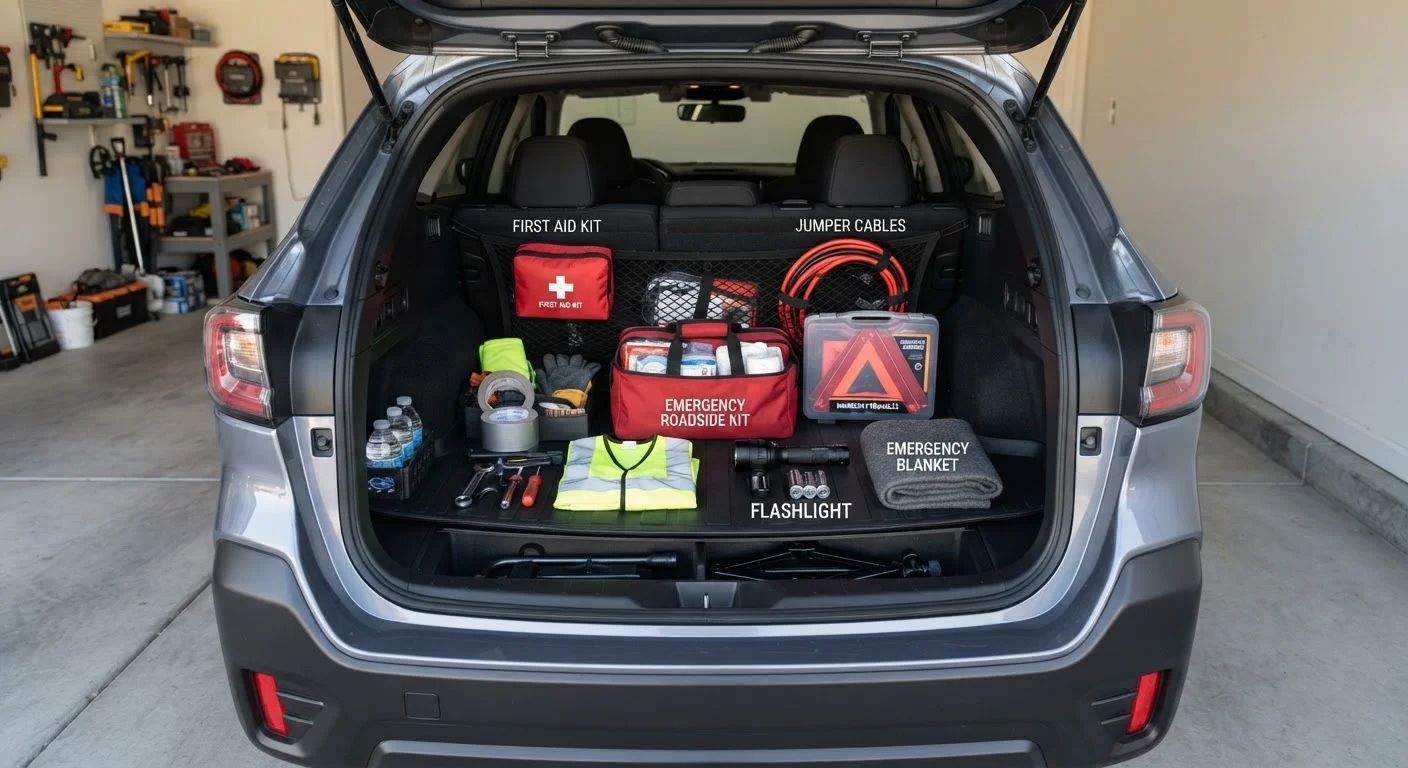
Photo: TrendingResults.net | Discover More, Trend More editorial
Key Takeaways
- Every driver should carry a basic emergency kit regardless of vehicle age or condition.
- Safety and visibility items are the most critical components to have on hand.
- Your kit should be inspected and refreshed at least twice a year.
- Climate and geography should influence what extras you include in your kit.
- A car emergency kit complements - but does not replace - roadside assistance coverage.
Why Every Driver Needs a Kit Before Trouble Strikes
Breakdowns rarely announce themselves. A flat tire on a dark highway, a dead battery in a parking lot, or a minor accident on an unfamiliar road can escalate quickly if you're unprepared. The goal of a car emergency kit isn't to turn you into a professional mechanic - it's to keep you and your passengers safe until help arrives.
According to the American Automobile Association (AAA), tens of millions of drivers need roadside assistance each year in the United States. Even drivers with roadside coverage benefit enormously from having basic supplies on hand, since wait times can stretch to an hour or longer in high-traffic periods.
Assembling your kit is a one-time effort that pays off every time you drive. Use the checklist below to audit what you already have and fill in the gaps. For drivers new to building these habits, our car maintenance guide for new drivers covers the broader routines that keep your vehicle road-ready year-round.
Safety and Visibility
Vehicle Recovery Basics
First Aid and Health
Essential Supplies and Documents
Weather and Climate Extras
Tools and Equipment You'll Need
Most of the items in a solid emergency kit require no mechanical training to use. Before shopping, check your trunk - you may already have jumper cables or a reflective triangle tucked away and forgotten. The tools listed here are selected for everyday drivers, not garage professionals.
Portable Jump Starter
Restarts a dead battery independently without needing another vehicle, which is especially useful in remote or low-traffic areas.
Reflective Warning Triangles
Creates a visible safety perimeter around a stopped vehicle to reduce the risk of secondary collisions.
First Aid Kit
Provides basic medical supplies to manage minor injuries at the scene while awaiting professional help.
Tire Inflator / Sealant
Temporarily seals and inflates a punctured tire enough to drive to a safe location or service station.
Portable Phone Charger
Keeps your phone powered so you can call roadside assistance, navigate, or contact emergency services.
Tow Strap
Allows a stuck or disabled vehicle to be pulled free by another vehicle with appropriate towing capacity.
Folding Shovel
Clears snow or loose material from around tires when a vehicle is stuck in winter conditions.
Don't Rely Solely on Your Kit
Maintaining and Adapting Your Kit Over Time
Building the kit is step one. Keeping it current is equally important. Aim to inspect your emergency supplies every six months - a good trigger is the start of spring and fall, which also aligns with the broader seasonal checks covered in our seasonal car maintenance guide.
Replace expired items such as medications, hand warmers, and bottled water. Check that batteries in your flashlight and portable charger still hold a charge. Drivers who live in areas prone to severe winters should supplement their kit with an ice scraper, traction mats, and extra warm layers. Those in desert climates might prioritize additional water and sun protection.
Think of your emergency kit the same way you'd think about a financial safety net - something you build deliberately and review regularly. Our article on building an emergency fund applies the same preparedness mindset to your finances, which is equally worth having in order before a crisis hits.
Finally, ensure every licensed driver in your household knows where the kit is stored and understands the basic contents. Preparedness is only effective if it's accessible and understood when the moment demands it.
The content on this site is provided for informational purposes only and should not be considered a substitute for professional advice. While we strive to provide accurate and up-to-date information, we make no guarantees regarding its completeness or accuracy. Always consult a qualified professional for advice specific to your circumstances before making any decisions.