
The Annual Home Systems Maintenance Checklist Every Homeowner Should Keep

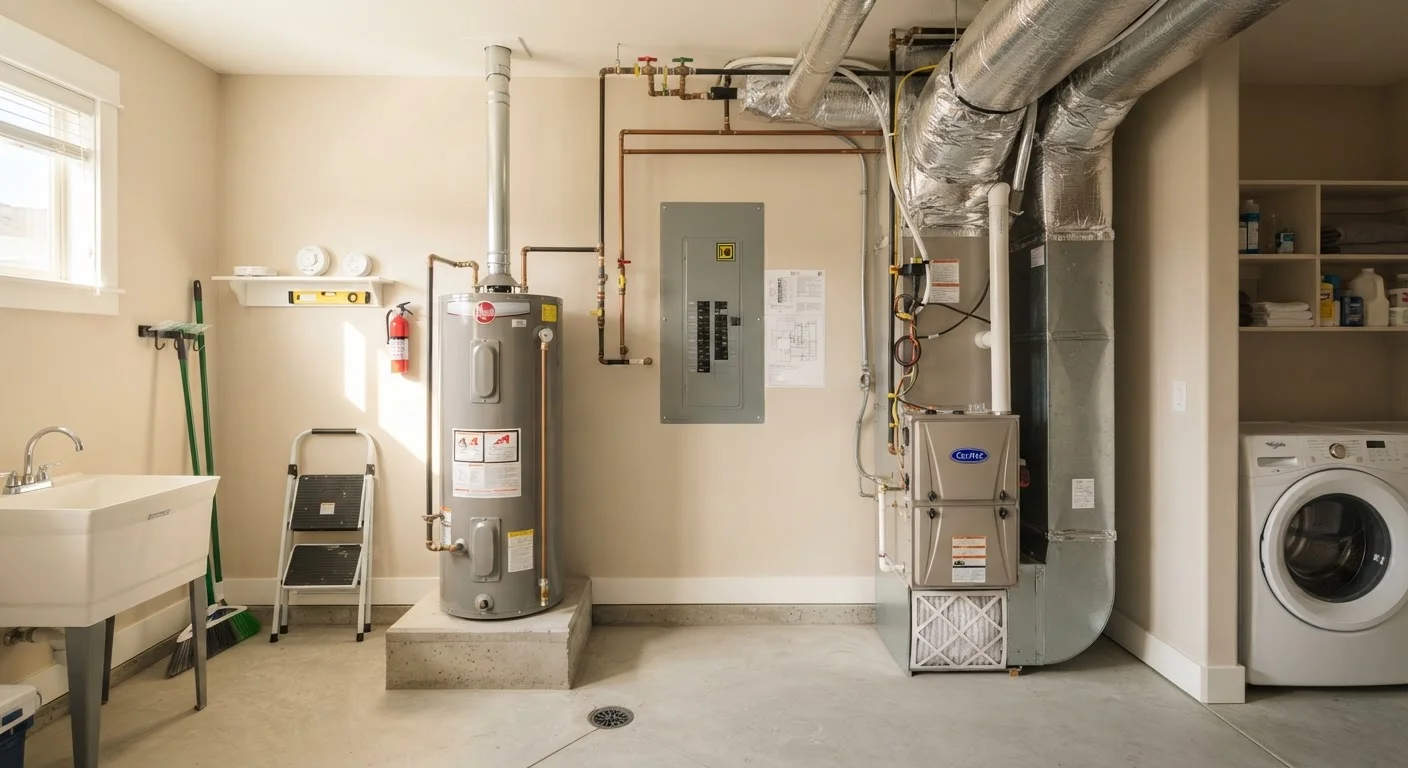
Photo: TrendingResults.net | Discover More, Trend More editorial
Key Takeaways
- Routine maintenance across plumbing, HVAC, and electrical systems prevents small issues from becoming expensive failures.
- Many tasks are seasonal - spreading them throughout the year keeps the workload manageable.
- Some maintenance tasks legally require a licensed professional; know which ones before you start.
- Documenting what you service and when helps you track patterns and plan future costs.
- Your shutoff locations for water, gas, and electricity should be known before an emergency occurs.
Why Annual Home Systems Maintenance Matters
Most home systems fail gradually, not suddenly. A water heater that hasn't been flushed in years, an HVAC filter left unchanged for months, or a circuit breaker panel that's never been inspected - each of these quietly accumulates wear until something gives. The good news is that the majority of failures are preventable with consistent, structured attention.
This checklist organizes your maintenance responsibilities by system category. Whether you're a new homeowner building habits or someone who wants to make sure nothing has slipped through the cracks, use this as a working reference you return to each year. For context on how long your systems are designed to last, the Real Lifespan of Home Appliances and Systems guide is a useful companion resource.
Before diving in, note that tasks involving your electrical panel, gas lines, or structural components of your plumbing should be performed by a licensed professional. Many jurisdictions require permits for certain repairs and upgrades - see Permits, Inspections, and Codes for a breakdown of when that applies.
Maintenance Records Have Real Value
What You'll Need to Get Started
Before working through the checklist, gather the tools and resources below. Having these ready helps you complete tasks in a single pass rather than stopping to track things down.
HVAC filter (correct size for your unit)
Required for the most frequent maintenance task in the home - replacing clogged filters restores airflow and protects the blower motor.
Garden hose
Used to flush sediment from the water heater tank drain valve into a bucket or floor drain.
GFCI outlet tester
Plugs into outlets to verify GFCI protection is active and wired correctly - far faster than testing by hand.
Flashlight or headlamp
Essential for inspecting crawl spaces, attics, behind appliances, and inside utility panels safely.
Smoke and CO detector tester spray
Simulates smoke or gas to verify detector sensors are functioning, beyond just testing the alarm sound.
Maintenance log (digital or paper)
Tracks dates, findings, and service records across all home systems so nothing slips through the cracks year to year.
If you're unfamiliar with any terminology your HVAC technician or plumber uses, the Home Systems Terminology glossary can help you follow the conversation and ask better questions.
The Full Home Systems Maintenance Checklist
Work through each group at the recommended interval. Items marked must are non-negotiable for safety or system longevity. Should items are strongly recommended, and nice-to-have items add an extra layer of protection or efficiency.
HVAC System
Plumbing
Electrical System
Seasonal & Whole-Home Tasks
Don't Attempt Gas or Panel Work Yourself
If your HVAC system seems to be running longer cycles or struggling to maintain temperature even after filter changes, there may be a deeper issue at play. The article Why Your HVAC System Is Working Harder Than It Should explains common culprits like duct leaks and blocked vents.
For a deeper look at HVAC-specific habits that extend equipment life, see Keeping Your HVAC System in Good Shape.
One More Thing: Know Your Shutoffs
Every person living in your home should know where to shut off water, gas, and electricity in an emergency. This isn't a maintenance task in the traditional sense, but it belongs on every homeowner's annual review. Walk through the locations once a year and make sure shutoff valves turn freely. The How to Shut Off Water, Gas, and Electricity in a Home Emergency guide provides a practical walkthrough.
Finally, keep a log of what you've serviced, when, and by whom. This documentation helps you spot recurring issues, supports warranty claims, and provides useful history if you ever sell the home. The same principle applies to vehicles - the habit of tracking service history pays dividends over time.
The content on this site is provided for informational purposes only and should not be considered a substitute for professional advice. While we strive to provide accurate and up-to-date information, we make no guarantees regarding its completeness or accuracy. Always consult a qualified professional for advice specific to your circumstances before making any decisions.