
The Real Lifespan of Home Appliances and Systems

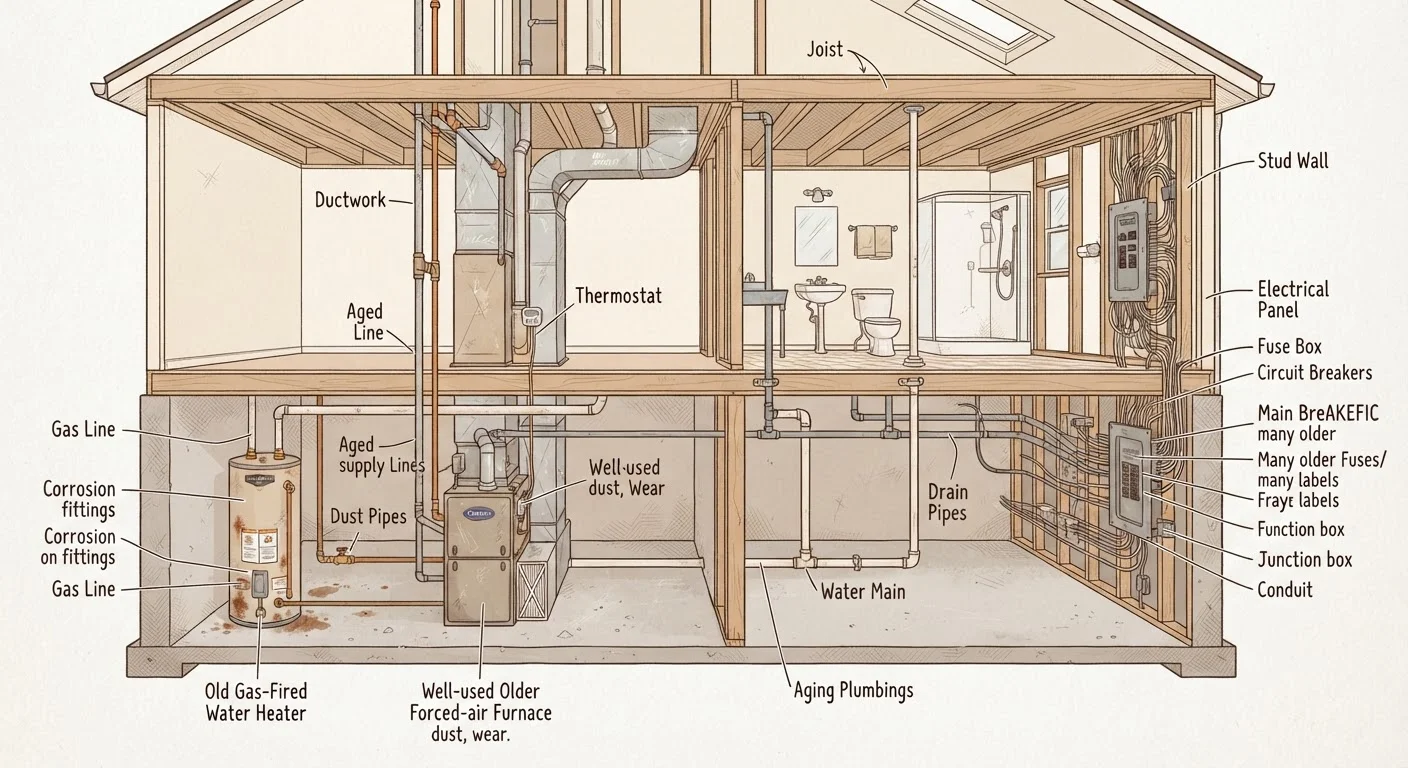
Photo: TrendingResults.net | Discover More, Trend More editorial
Why Appliance Lifespans Matter
Every major system in your home has a finite service life. Understanding those timelines isn't about pessimism - it's about planning. A water heater that fails unexpectedly mid-winter costs far more in emergency labor and water damage than one replaced on a predictable schedule. The same logic applies to your furnace, electrical panel, and plumbing.
Lifespan estimates vary based on installation quality, maintenance history, local water chemistry, and usage patterns. The figures below reflect generally accepted industry ranges used by home inspectors and the National Association of Home Builders. Treat them as planning benchmarks, not guarantees.
For a broader view of how these systems interconnect, see our plain-language guide to home systems. And to understand what happens when maintenance slips, the real costs of delaying home maintenance lays out exactly how deferred upkeep compounds over time.
Major Systems: Expected Service Lives
Water Heaters
Tank (storage) water heaters typically last 8-12 years. The sacrificial anode rod inside the tank corrodes gradually to protect the tank lining - when it's depleted, the tank itself begins to rust from the inside. Hard water accelerates this. Annual flushing to remove sediment and anode rod inspection every 2-3 years can push a tank toward the upper end of its range. Tankless water heaters have a longer service life - typically 20 years or more - though their components (heat exchangers, flow sensors) require periodic servicing.
Furnaces and Air Conditioners
A gas furnace typically lasts 15-20 years; heat pumps run about 10-15 years. Central air conditioning condensers generally last 10-15 years, with units in hot, humid climates trending toward the lower end. Consistent filter changes and annual professional tune-ups are the single most effective way to reach full service life. See HVAC maintenance practices that make a difference for specifics.
Electrical Panels
An electrical panel itself can last 25-40 years, but its breakers - the mechanical components that trip under overload - wear out and may need replacement sooner. Panels from certain eras have known safety issues and should be evaluated by a licensed electrician regardless of age. If you're unsure what your panel's labels and ratings mean, reading your electrical panel is a good starting point.
Electrical Panels: Age Isn't the Only Concern
Plumbing
Plumbing lifespan depends heavily on pipe material. Copper supply lines can last 50-70 years. Galvanized steel, common in homes built before the 1960s, typically lasts 20-50 years and corrodes from the inside, reducing flow and water quality over time. PVC and CPVC drain lines are generally rated for 25-40 years. PEX, widely used in newer construction, carries manufacturer ratings of 25+ years but has a shorter real-world track record.
What Shortens - or Extends - a System's Life
Manufacturer estimates assume average conditions. Several factors push systems toward the shorter or longer end of their range:
- Water quality: Hard water (high mineral content) accelerates sediment buildup in water heaters and corrodes pipe fittings. A water softener or whole-house filter can meaningfully extend plumbing and appliance life.
- Maintenance frequency: Systems that receive annual professional service and regular filter or component changes consistently outlast neglected equivalents.
- Installation quality: Undersized ductwork, improper refrigerant charge, or poor venting creates strain that shortens equipment life from day one.
- Climate and usage load: HVAC systems in extreme climates cycle more frequently and wear faster. Water heaters in large households face higher demand than their counterparts in smaller homes.
The annual home systems maintenance checklist covers the specific tasks - by season - that keep these systems running efficiently.
Anode rod
A sacrificial metal rod installed inside a storage water heater tank. It corrodes preferentially, protecting the steel tank lining from rust. Replacing it periodically extends tank life.
Heat pump
An HVAC system that moves heat rather than generating it, providing both heating and cooling. It operates more efficiently than a furnace in moderate climates but may rely on backup heating in very cold conditions.
Galvanized steel pipe
Steel pipe coated with zinc to resist corrosion, common in homes built before the 1960s. Over decades, the zinc layer depletes and interior rust buildup reduces water flow and can affect water quality.
PEX (cross-linked polyethylene)
A flexible plastic tubing widely used in modern plumbing for supply lines. It resists freezing better than copper, installs quickly, and carries rated lifespans of 25 years or more.
Service life
The expected period during which a system or appliance operates reliably under normal conditions and proper maintenance. Actual performance may vary above or below this estimate.
Sediment flush
A maintenance procedure in which a tank water heater is drained partially to remove mineral deposits that accumulate at the bottom. Annual flushing improves efficiency and can extend tank lifespan.
The content on this site is provided for informational purposes only and should not be considered a substitute for professional advice. While we strive to provide accurate and up-to-date information, we make no guarantees regarding its completeness or accuracy. Always consult a qualified professional for advice specific to your circumstances before making any decisions.