The Real Costs of Delaying Home Maintenance

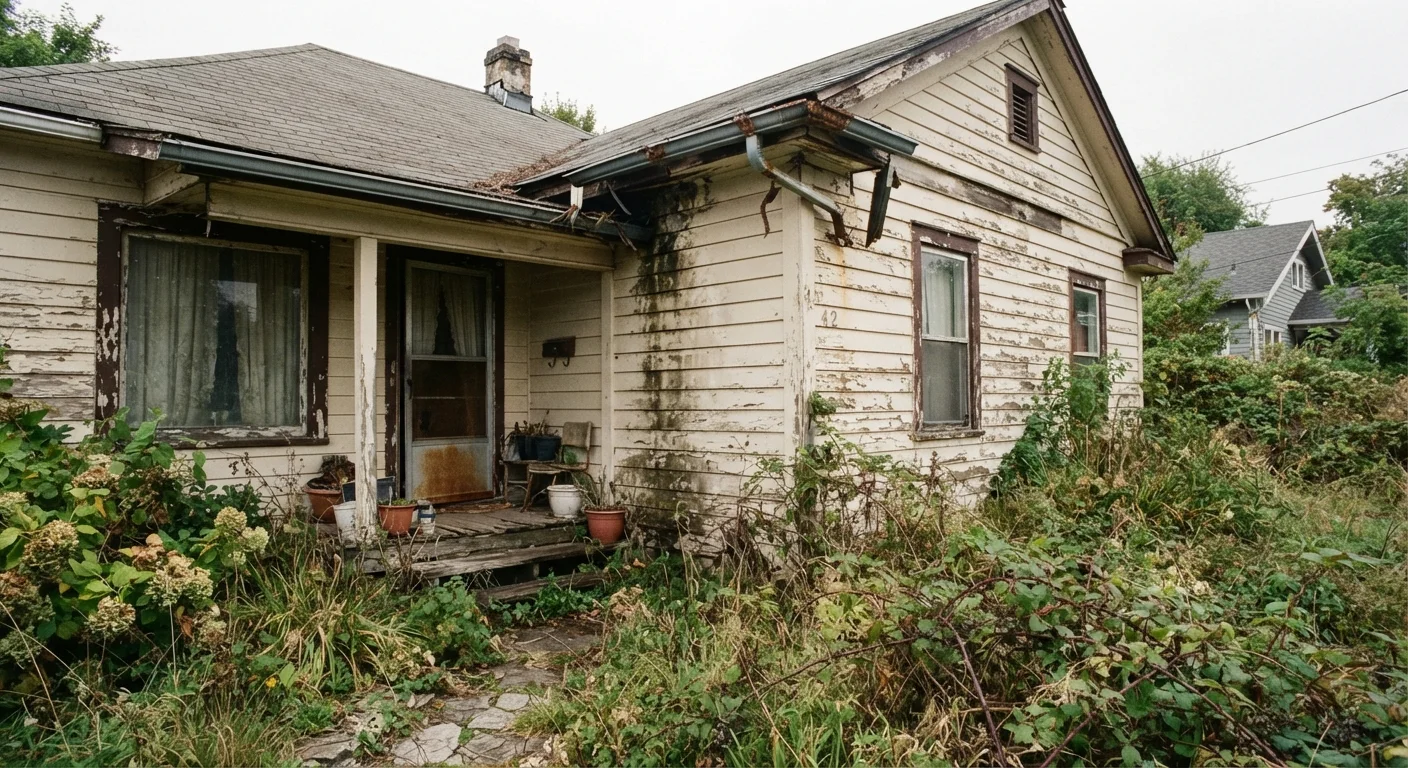
Photo: TrendingResults.net | Discover More, Trend More editorial
Key Takeaways
- Deferred maintenance rarely stays contained - one neglected system often damages adjacent ones.
- Minor repairs typically cost a fraction of what full replacement or emergency service runs.
- Routine upkeep preserves home value and reduces the risk of costly insurance complications.
- A structured seasonal checklist is one of the most effective ways to stay ahead of problems.
Repairs cost far less when caught early
Addressing a minor roof leak promptly typically costs a fraction of what full deck replacement or interior water damage remediation runs. Early intervention keeps scope - and cost - contained.
Preserves and protects home market value
A well-maintained home commands stronger offers and clears inspection contingencies more smoothly. Documented maintenance history can be a genuine selling asset.
Extends the useful life of major systems
HVAC equipment, water heaters, and roofing all last longer when serviced regularly. Consistent upkeep defers large capital expenditures and flattens the cost curve over time.
Reduces risk of emergency situations
Proactive maintenance catches deterioration before it becomes a failure event. Fewer emergencies mean fewer after-hours service calls and less disruption to daily life.
Supports a healthier indoor environment
Clean filters, sealed crawl spaces, and managed moisture levels reduce allergens, mold risk, and poor air quality - factors that affect occupant comfort and wellbeing.
Upfront time and money feel like a burden
Scheduling and paying for maintenance when nothing appears broken is psychologically difficult. Many homeowners prioritize visible or urgent needs, leaving routine tasks to slip.
Damage spreads to adjacent systems
A failing sump pump doesn't just flood a basement - it can damage flooring, framing, electrical panels, and stored belongings. One deferred task often triggers a cascade of related failures.
Emergency repairs carry premium pricing
Urgent or after-hours service calls cost significantly more than scheduled work. When deferred maintenance causes a sudden failure, homeowners absorb both higher labor rates and the stress of urgency.
Insurance complications can arise
Some homeowners' insurance policies include clauses that limit or deny coverage for damage attributed to neglected maintenance. Documenting upkeep matters more than many homeowners realize.
Deferred work accumulates into an overwhelming backlog
When multiple systems are ignored simultaneously, the eventual repair list can feel financially and logistically paralyzing - making it harder to prioritize and easier to delay further.
Why Small Problems Rarely Stay Small
A slow drip under a sink. A hairline crack in the caulk around a tub. A furnace filter that hasn't been changed in eight months. These issues feel minor - and they are, at first. But homes are interconnected systems, and damage in one area rarely respects boundaries.
Water intrusion is the clearest example. A compromised roof shingle allows moisture to penetrate the sheathing. Left unaddressed, that moisture feeds mold growth, rots structural lumber, and eventually threatens insulation and drywall - turning a $300 repair into a remediation project that can run into the thousands. The repair cost doesn't grow linearly; it accelerates.
This compounding effect applies across virtually every home system. Clogged gutters overflow and direct water toward a home's foundation. A failing HVAC air handler runs harder to compensate for a dirty coil, shortening equipment life. A small gap in weatherstripping raises heating and cooling costs month after month.
Not All Delays Are Equal
See our annual home systems maintenance checklist for a season-by-season breakdown of tasks that prevent exactly this kind of compounding damage.
The Real Financial Picture
Homeownership carries ongoing costs beyond the mortgage - and maintenance is one of the most controllable of them. Understanding the true cost of homeownership means accounting for upkeep, not just carrying costs.
1%-3%
Annual maintenance budget as share of home value
A widely cited rule of thumb among housing professionals suggests budgeting between 1% and 3% of a home's value annually for upkeep and repairs.
~10×
Cost multiplier when water damage goes unaddressed
Industry restoration professionals commonly note that water damage repair costs can multiply dramatically when moisture intrusion is left unaddressed for weeks or months.
Emergency service calls - plumbers, HVAC technicians, electricians dispatched urgently - typically carry premium labor rates compared to scheduled visits. When a water heater fails without warning, you're not just paying for the unit; you're paying for same-day availability. Proactive replacement, scheduled when the unit shows early signs of age, can meaningfully reduce total project cost.
Beyond repair bills, deferred maintenance affects resale value. Buyers and their inspectors notice evidence of neglect, and lenders may require repairs before closing. Problems that might have cost little to fix during ownership can become negotiating leverage that reduces your sale price.
Pros of Staying Current on Maintenance
Homeowners who build consistent maintenance habits into their routine enjoy a range of meaningful advantages.
Repairs cost far less when caught early
Addressing a minor roof leak promptly typically costs a fraction of what full deck replacement or interior water damage remediation runs. Early intervention keeps scope - and cost - contained.
Preserves and protects home market value
A well-maintained home commands stronger offers and clears inspection contingencies more smoothly. Documented maintenance history can be a genuine selling asset.
Extends the useful life of major systems
HVAC equipment, water heaters, and roofing all last longer when serviced regularly. Consistent upkeep defers large capital expenditures and flattens the cost curve over time.
Reduces risk of emergency situations
Proactive maintenance catches deterioration before it becomes a failure event. Fewer emergencies mean fewer after-hours service calls and less disruption to daily life.
Supports a healthier indoor environment
Clean filters, sealed crawl spaces, and managed moisture levels reduce allergens, mold risk, and poor air quality - factors that affect occupant comfort and wellbeing.
Cons of Deferring Maintenance
Despite the clear benefits of staying current, many homeowners delay - and the consequences are well-documented.
Upfront time and money feel like a burden
Scheduling and paying for maintenance when nothing appears broken is psychologically difficult. Many homeowners prioritize visible or urgent needs, leaving routine tasks to slip.
Damage spreads to adjacent systems
A failing sump pump doesn't just flood a basement - it can damage flooring, framing, electrical panels, and stored belongings. One deferred task often triggers a cascade of related failures.
Emergency repairs carry premium pricing
Urgent or after-hours service calls cost significantly more than scheduled work. When deferred maintenance causes a sudden failure, homeowners absorb both higher labor rates and the stress of urgency.
Insurance complications can arise
Some homeowners' insurance policies include clauses that limit or deny coverage for damage attributed to neglected maintenance. Documenting upkeep matters more than many homeowners realize.
Deferred work accumulates into an overwhelming backlog
When multiple systems are ignored simultaneously, the eventual repair list can feel financially and logistically paralyzing - making it harder to prioritize and easier to delay further.
The pattern mirrors what happens in other ownership contexts. Just as skipping oil changes quietly builds engine damage, skipping home maintenance creates invisible accumulating harm. If you find yourself managing the aftermath of deferred work, these strategies for managing a home renovation can help you stay organized and in control.
The content on this site is provided for informational purposes only and should not be considered a substitute for professional advice. While we strive to provide accurate and up-to-date information, we make no guarantees regarding its completeness or accuracy. Always consult a qualified professional for advice specific to your circumstances before making any decisions.