
Oil Changes: What Really Happens If You Skip Them

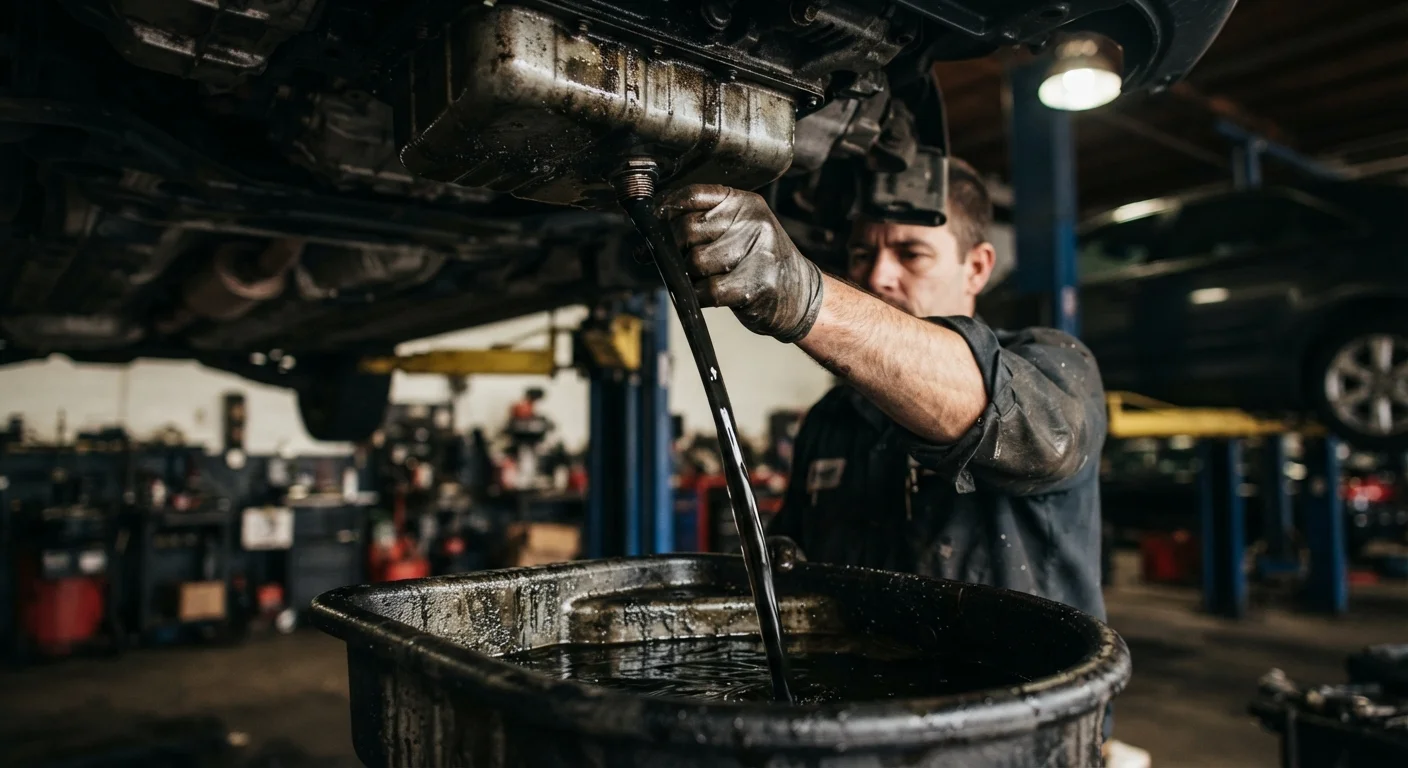
Photo: TrendingResults.net | Discover More, Trend More editorial
Key Takeaways
- Engine oil breaks down gradually, losing its protective properties long before it looks visibly dirty.
- Skipping oil changes leads to sludge buildup, which can block oil passages and starve engine components of lubrication.
- The damage from neglected oil changes accumulates silently and may not show symptoms until serious harm is done.
- Engine repair costs from oil neglect can vastly exceed the cost of routine oil changes.
- Your owner's manual is the most reliable guide for your specific vehicle's oil change interval.
What Engine Oil Actually Does
Engine oil is not just a lubricant - it's a multi-tasking fluid doing several critical jobs simultaneously. Its primary role is to create a thin film between metal surfaces inside the engine that would otherwise grind directly against each other at thousands of revolutions per minute. Without that film, metal-on-metal contact would wear down components rapidly.
Beyond lubrication, oil also helps regulate engine temperature by carrying heat away from high-friction areas. It suspends and transports combustion byproducts - soot, acids, and microscopic metal particles - to the oil filter where they're trapped. It also contains additives that neutralize acidic compounds produced by combustion. All of these functions degrade as oil ages.
Understanding what oil does makes it easier to understand what goes wrong when that oil isn't changed. How the type of oil affects how quickly it degrades is also worth knowing before your next service.
The Chain of Damage That Builds When You Skip Oil Changes
The deterioration isn't immediate - it's a gradual chain reaction. Here's how it typically progresses:
- Additive depletion: The protective additives in fresh oil - detergents, dispersants, anti-wear agents - are consumed first. Once exhausted, oil can no longer neutralize acids or keep contaminants suspended effectively.
- Viscosity breakdown: As oil oxidizes and contaminants accumulate, its viscosity changes. Oil that flows too thick or too thin can't maintain the protective film between moving parts under operating conditions.
- Sludge formation: Degraded oil, combined with moisture and combustion byproducts, can form a tar-like residue called engine sludge. This substance clogs narrow oil passages and can coat internal components, reducing oil flow to critical parts.
- Accelerated wear: With inadequate lubrication, components like camshaft lobes, crankshaft bearings, and cylinder walls experience metal-to-metal contact. This wear is often irreversible.
- Thermal stress: Oil that can no longer dissipate heat efficiently exposes engine components to higher temperatures, warping or damaging seals and gaskets over time.
$25-$75
Typical cost of a routine oil change
General industry pricing for a standard oil change service at a licensed shop, varying by oil type and region.
$3,000-$10,000+
Estimated engine repair or replacement cost
Engine rebuilds or replacements due to neglect-related failure are among the most expensive automotive repairs a driver can face.
3,000-10,000 miles
Typical oil change interval range
Interval varies widely based on oil type, vehicle age, and manufacturer specification - always defer to your owner's manual.
In the most neglected cases, the result is a seized engine - a failure that typically means the engine must be rebuilt or replaced entirely, a repair that can cost thousands of dollars.
Why the Damage Stays Hidden Until It's Serious
One reason drivers underestimate oil neglect is that the early stages produce no obvious symptoms. The engine may run normally, and no warning lights may appear. Modern oil life monitoring systems do help - they estimate oil condition based on driving patterns and alert drivers when a change is approaching - but the absence of a warning light is not the same as confirmation that oil is still effective.
Oil Pressure vs. Oil Life: Two Different Warnings
By the time symptoms do appear - unusual engine noise, increased oil consumption, reduced power, or an illuminated oil pressure warning - significant internal wear may already have occurred. The signs that a mechanic visit is genuinely urgent can help you distinguish a true emergency from a serviceable issue, but prevention is always the better path.
Other commonly neglected maintenance tasks follow the same pattern: small, invisible degradation until failure becomes obvious and expensive.
How to Stay on Schedule
Following your vehicle manufacturer's recommended oil change interval - found in your owner's manual - is the single most reliable approach. Modern vehicles often display an oil life percentage or mileage countdown directly on the dashboard, which accounts for your actual driving conditions rather than a fixed mileage rule.
If your driving involves frequent short trips, stop-and-go traffic, towing, or extreme temperatures - what manufacturers often call "severe" driving conditions - your oil may degrade faster than the standard interval suggests. In those cases, your owner's manual typically recommends a shorter service interval.
Keeping a simple log of your oil change dates and mileage takes seconds and removes any guesswork. Some drivers set a recurring calendar reminder at the interval their vehicle calls for. The cost of a routine oil change is a fraction of what engine repairs cost - that math alone is a strong argument for staying current.
This article is for general informational purposes only. For guidance specific to your vehicle, consult your owner's manual or a qualified mechanic.
Frequently Asked Questions
The content on this site is provided for informational purposes only and should not be considered a substitute for professional advice. While we strive to provide accurate and up-to-date information, we make no guarantees regarding its completeness or accuracy. Always consult a qualified professional for advice specific to your circumstances before making any decisions.