
Keeping Your HVAC System in Good Shape: Practices That Actually Make a Difference

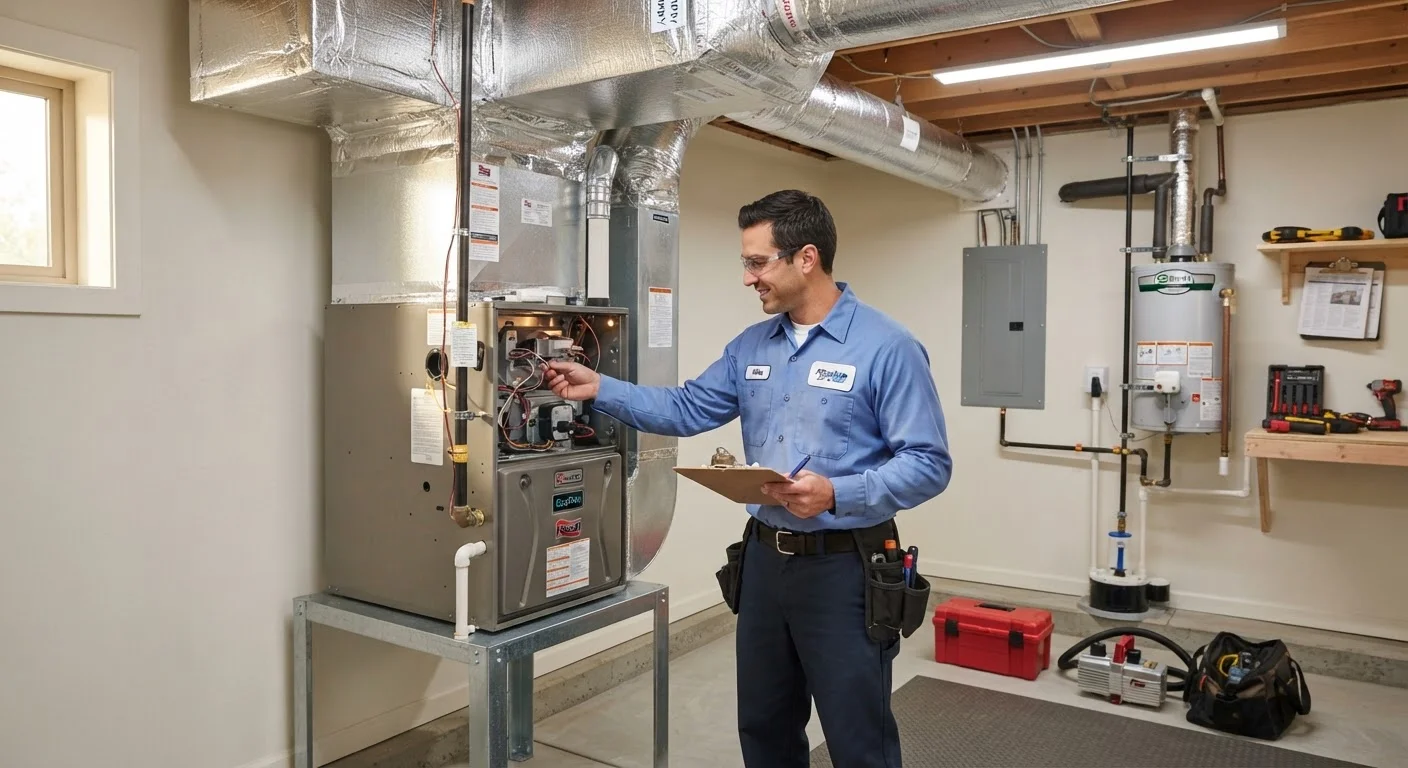
Photo: TrendingResults.net | Discover More, Trend More editorial
Key Takeaways
- Replacing air filters on the right schedule is one of the most impactful things a homeowner can do.
- Annual professional tune-ups catch developing problems before they become expensive failures.
- Keeping outdoor condenser units clear of debris directly affects cooling efficiency.
- Sealing duct leaks can significantly reduce energy waste in many homes.
- Thermostat settings and programmable schedules reduce unnecessary wear on the system.
Why HVAC Maintenance Is Worth Taking Seriously
Your heating and cooling system works year-round, often invisibly - until it doesn't. Neglected HVAC equipment tends to lose efficiency gradually, meaning you pay more on utility bills while getting less comfort, often without realizing the system is struggling. Then comes the repair bill, or worse, a full replacement years ahead of schedule.
Understanding how to care for your HVAC system is part of understanding your home's full infrastructure. If you're newer to homeownership, our plain-language guide to major home systems provides helpful context on how heating, cooling, plumbing, and electrical work together. For a broader seasonal view, the annual home systems maintenance checklist is a useful companion resource.
The practices below are grounded in what HVAC professionals consistently recommend - not dramatic overhauls, but consistent habits that compound into real results over time.
Core Maintenance Practices That Make a Real Difference
These aren't one-time fixes - they're ongoing habits. Building them into your home care routine is how systems reach their full service lives. For reference on what those lifespans look like, see our article on the real lifespan of home appliances and systems.
Replace air filters on a consistent schedule based on your household conditions.
Schedule a professional tune-up once a year for each system - cooling in spring, heating in fall.
Keep the outdoor condenser unit clear of vegetation, debris, and obstructions.
Inspect and seal accessible duct connections in unconditioned spaces.
Use a programmable or smart thermostat and set a reasonable temperature schedule.
Quick Actions You Can Take This Week
Not every improvement requires scheduling a service call. Several high-impact steps can be done by most homeowners in under an hour with no special tools.
When to Call a Licensed HVAC Professional
Some tasks genuinely require a trained technician. Refrigerant handling is federally regulated and must be performed by a certified professional. Any work involving electrical connections to the unit, gas lines on a furnace, or heat exchanger inspection should not be attempted as DIY. If you notice unusual odors, persistent short-cycling (the system turning on and off rapidly), or ice forming on the indoor coil, treat these as signals to call a qualified technician promptly rather than waiting for a scheduled tune-up.
Know the Limits of DIY HVAC Work
The discipline of proactive maintenance applies across your home's major systems - and even beyond. Similar logic shows up in vehicle care: the maintenance tasks drivers forget until something breaks mirrors exactly the kind of deferred-maintenance trap that affects HVAC systems too.
This article is for general informational purposes only. Always consult a licensed HVAC professional for diagnosis, repair, or any work involving gas lines, electrical systems, or refrigerants.
The content on this site is provided for informational purposes only and should not be considered a substitute for professional advice. While we strive to provide accurate and up-to-date information, we make no guarantees regarding its completeness or accuracy. Always consult a qualified professional for advice specific to your circumstances before making any decisions.