
Why Your HVAC System Is Working Harder Than It Should

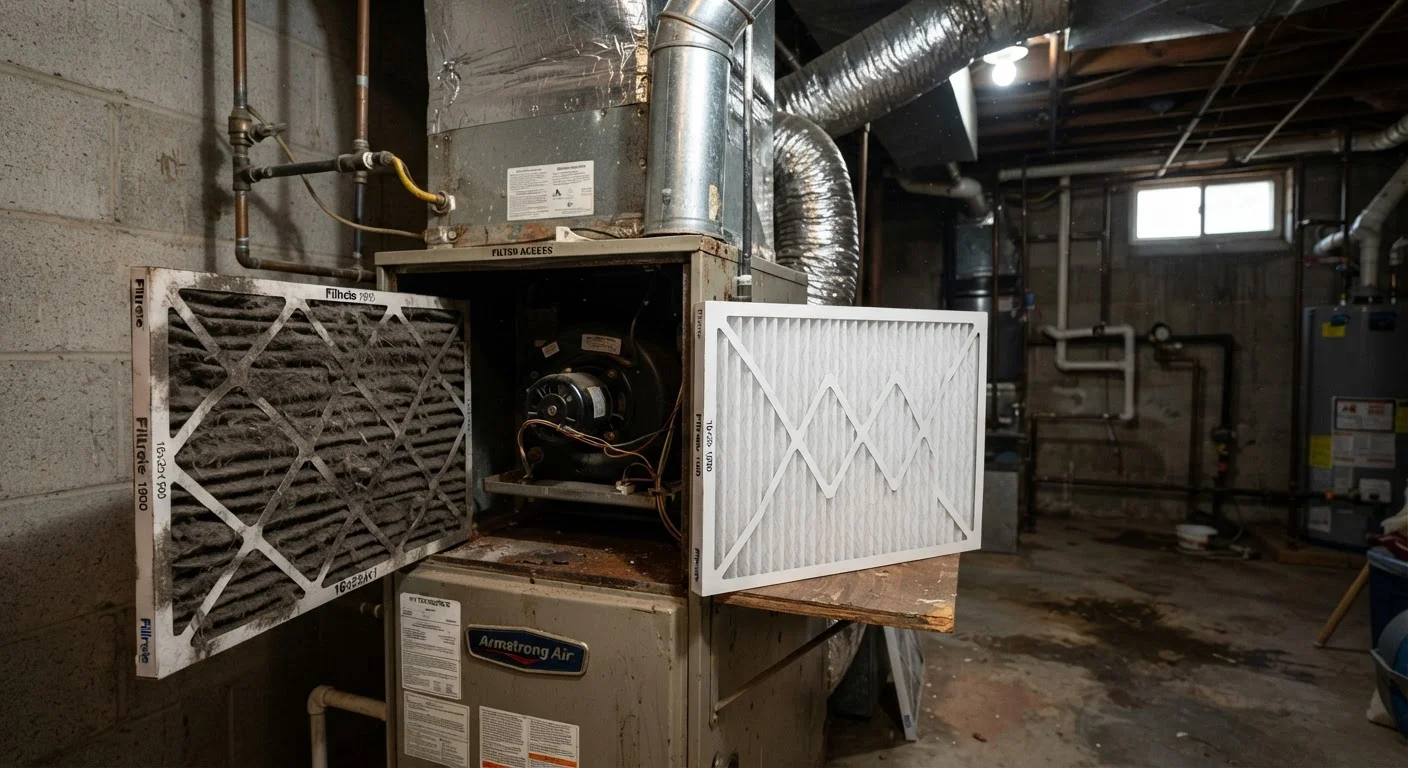
Photo: TrendingResults.net | Discover More, Trend More editorial
Key Takeaways
- Neglected air filters are the single most common cause of HVAC strain and reduced airflow.
- Blocked or closed supply vents disrupt system pressure balance and force the unit to compensate.
- Duct leaks can waste a significant portion of conditioned air before it ever reaches living spaces.
- Thermostat placement and settings errors lead to unnecessary cycling and uneven temperatures.
- Skipping annual professional tune-ups allows small efficiency losses to compound into costly repairs.
Why HVAC Overwork Happens - and Why It Matters
Your HVAC system is designed to maintain a set temperature with a reasonable amount of effort. When something forces it to run longer, cycle more frequently, or push harder against resistance, you'll eventually feel it - in uneven comfort, higher energy bills, and a shortened equipment lifespan. Understanding how your home's major systems work together is the first step toward catching these problems early.
The good news is that most causes of HVAC overwork are preventable. They tend to be maintenance oversights rather than equipment failures - which means addressing them is largely within a homeowner's control. The mistakes below represent the most common ways homeowners unknowingly put extra strain on their heating and cooling equipment.
The Most Common Mistakes That Strain Your System
Each of the following errors creates measurable added work for your HVAC unit. Some are simple habits, others require a professional assessment - but none should be ignored for long.
Changing air filters too infrequently or using the wrong filter type.
Blocking or closing supply and return vents.
Ignoring duct leaks and poor duct insulation.
Setting the thermostat too aggressively or in the wrong location.
Skipping annual professional maintenance.
Closing Vents Doesn't Save Energy
For homeowners who want to go beyond avoiding mistakes and build a proactive maintenance routine, ongoing HVAC upkeep practices can meaningfully extend equipment life. And if you're evaluating whether your current system type is the right match for your home's layout and needs, a review of the main heating system types or central air versus ductless mini-split options can provide useful context.
When to Call a Professional
Electrical and Refrigerant Work Requires a Pro
25-30%
Conditioned air lost to duct leaks
The U.S. Department of Energy estimates that in a typical home, leaky ducts can lose roughly 25-30% of conditioned air before it reaches living spaces.
5-15%
Efficiency loss from a clogged filter
According to the U.S. Department of Energy, a dirty or clogged air filter can reduce HVAC system efficiency by 5-15%, increasing energy consumption noticeably over a season.
Routine filter changes and keeping vents clear are DIY-friendly. But certain signs suggest the system itself needs attention from a licensed HVAC technician: persistent uneven temperatures, unusually high energy bills without explanation, ice forming on the unit, or any strange sounds or odors. Don't delay those calls - what starts as reduced efficiency can progress to compressor or heat exchanger failure, both of which are significantly more expensive to address than a tune-up.
Interestingly, the same principle applies in other systems: deferred maintenance quietly compounds. If you're curious how this pattern plays out in vehicle ownership, commonly forgotten car maintenance tasks follow the same logic - small oversights, large eventual costs.
The content on this site is provided for informational purposes only and should not be considered a substitute for professional advice. While we strive to provide accurate and up-to-date information, we make no guarantees regarding its completeness or accuracy. Always consult a qualified professional for advice specific to your circumstances before making any decisions.