
How to Shut Off Water, Gas, and Electricity in a Home Emergency

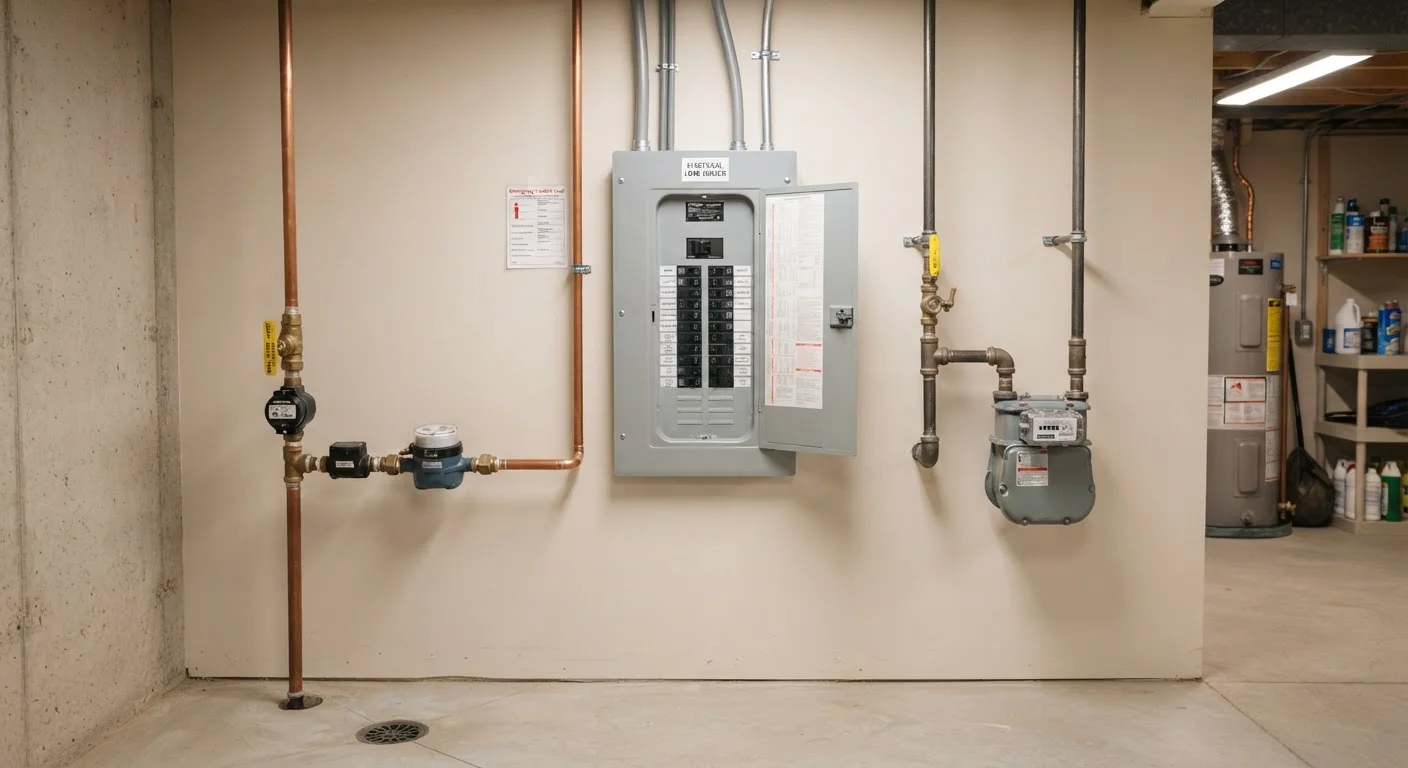
Photo: TrendingResults.net | Discover More, Trend More editorial
Key Takeaways
- Locate and label all three shutoffs - water, gas, and electricity - before any emergency occurs.
- Each utility has a distinct shutoff method; gas requires extra caution and professional follow-up.
- After shutting off gas, do not re-light pilots yourself - call your utility provider.
- Keep a wrench or shutoff tool near the gas meter and electrical panel for quick access.
- Share shutoff locations with every adult and responsible teen in your household.
Why Every Homeowner Needs to Know This
A burst pipe, gas odor, or electrical fault can escalate from inconvenience to serious damage - or danger - within minutes. The difference between a contained problem and a catastrophic one is often how quickly a household member can reach the right shutoff. Yet most homeowners have never located all three utility shutoffs, let alone tested them.
This guide walks you through each shutoff in plain terms. It is designed as a before-you-need-it exercise. Set aside 20 to 45 minutes to walk your home, locate every valve and breaker, and label them. The steps below cover water, electricity, and gas in that order - gas last because it carries the most risk and the firmest rule: when in doubt, get out first.
What you will need
Tools You'll Need
You don't need specialized equipment for most shutoffs, but having the right items on hand before an emergency makes the process faster and safer.
Adjustable wrench or gas shutoff tool
Required to turn the gas meter's ball valve or older curb-stop valves that cannot be moved by hand.
Flashlight or headlamp
Illuminates utility panels, crawl spaces, and meter locations during a power outage or low-light emergency.
Adhesive labels and permanent marker
Used to label each shutoff valve, circuit breaker, and meter location for quick identification.
Circuit breaker directory card
A filled-in index inside the electrical panel door mapping each breaker to its circuit.
Step-by-Step: Locating and Operating Each Shutoff
Gas Leaks: Get Out First
Locate and label your main water shutoff
The main water shutoff controls all water entering the home. In most US homes it sits on the interior side of the wall where the supply line enters - often in a basement, utility room, crawl space, or under a kitchen sink. In warmer climates, it may be outside near the foundation or at the street in a covered curb box.
Turn the valve clockwise (gate valve) or rotate the lever 90 degrees so it runs perpendicular to the pipe (ball valve) to stop flow. Attach a labeled tag reading MAIN WATER SHUTOFF and note its location on your phone.
Identify individual fixture shutoffs
Every toilet, sink, dishwasher, washing machine, and water heater should have its own supply valve directly behind or beneath it. These let you isolate a single fixture without cutting water to the whole house - useful for a leaking toilet or burst supply line under a sink.
Turn each valve clockwise to close. If a fixture valve is stuck or corroded, replace it at your next maintenance opportunity rather than forcing it and risking a break.
Find your electrical main breaker panel
The main electrical panel - sometimes called the breaker box or load center - is typically mounted on an interior wall in a garage, basement, laundry room, or hallway. It contains individual circuit breakers for each area of the home, plus a large main breaker at the top or bottom that cuts power to the entire panel.
To shut off all power: flip the main breaker to the OFF position. To isolate one room or appliance, flip only that circuit's breaker. Fill in the directory card inside the panel door so every circuit is labeled.
Locate your gas meter and shutoff valve
The gas meter is almost always on the exterior of the home - typically on a side wall or near the foundation. The shutoff valve sits on the incoming supply pipe just before the meter. It is a small rectangular or square tab (a ball valve stem).
When the tab runs parallel to the pipe, gas is flowing. Rotate it 90 degrees with a wrench so it runs perpendicular to the pipe - this closes the valve and stops gas flow. Keep a dedicated wrench attached nearby (a hanging hook on the meter cage works well).
Practice and share the information
Walk every adult in your household through all three shutoff locations. Make it a brief, hands-on tour - not just a conversation. Post a simple index card inside a kitchen cabinet or on the utility room door with shutoff locations, your gas utility's emergency number, and your local fire department's non-emergency line.
Understanding your home's systems goes deeper than just shutoffs - our plain-language guide to home systems explains how plumbing, HVAC, and electrical infrastructure work together. And just as preparation matters at home, it matters on the road - see our car emergency kit guide for vehicle readiness tips.
After the Emergency: What Comes Next
Shutting off a utility is the right first move - but it's not the final one. After water is off, identify the source of the leak before calling a plumber; photos help. After cutting power to a circuit, do not restore it until the cause (a tripped GFCI, a faulty appliance, or an overloaded circuit) is identified by a licensed electrician.
For gas: once you've shut off the meter and the area is safe, contact your utility provider. Do not re-enter until they clear the home. After service is restored, a technician must re-light all standing-pilot appliances.
Do Not Restore Gas Service Yourself
Take a Walk-Through Before You Need It
The content on this site is provided for informational purposes only and should not be considered a substitute for professional advice. While we strive to provide accurate and up-to-date information, we make no guarantees regarding its completeness or accuracy. Always consult a qualified professional for advice specific to your circumstances before making any decisions.