
How Long Car Parts Actually Last: A Realistic Lifespan Reference

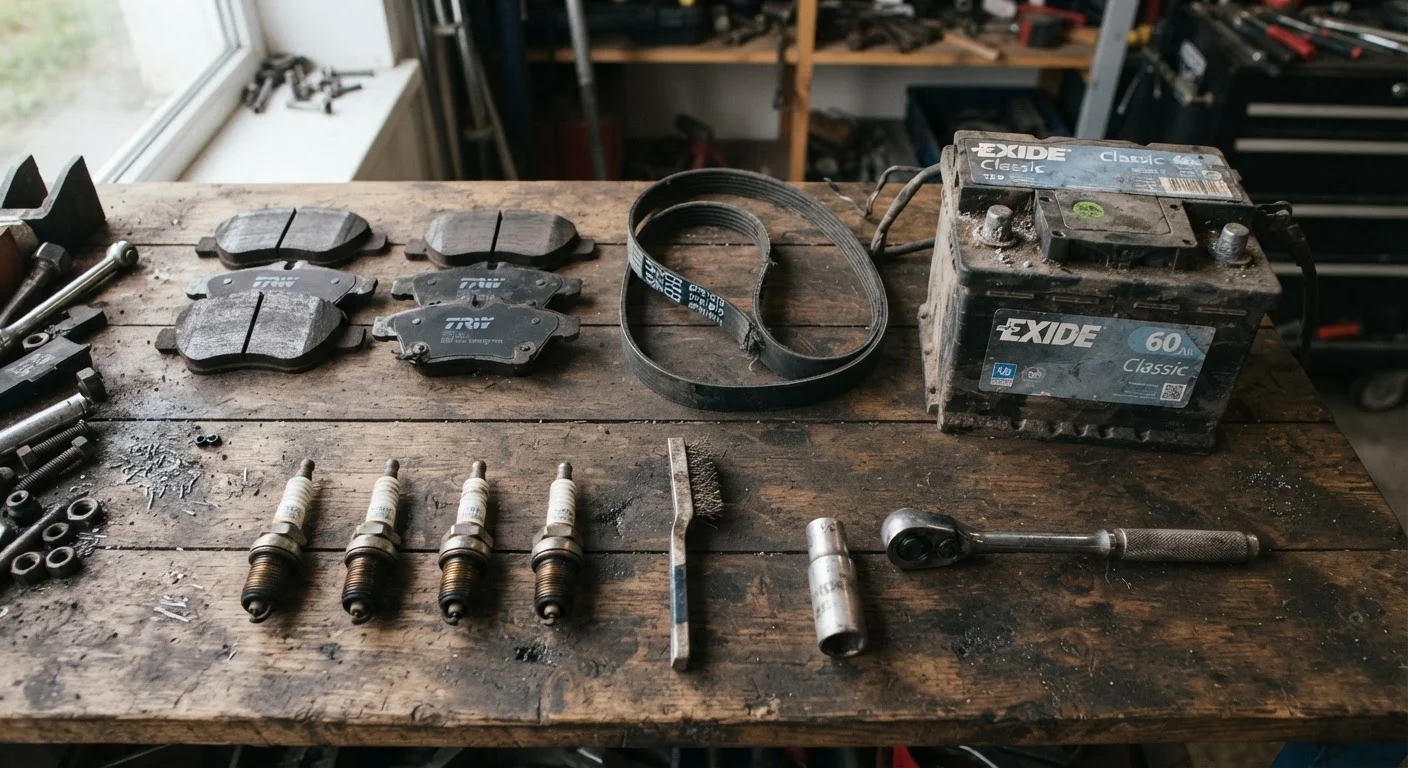
Photo: TrendingResults.net | Discover More, Trend More editorial
Why Part Lifespan Varies
No two vehicles age the same way. A car driven mostly on smooth highways in a mild climate will wear its parts far more slowly than one navigating pothole-filled city streets in extreme heat or cold. Driving habits, maintenance consistency, and vehicle design all shape how long a component actually lasts.
The ranges below reflect general industry guidance and manufacturer recommendations. They are not guarantees - your owner's manual and a trusted mechanic remain the most reliable references for your specific vehicle. Think of these figures as informed starting points, not expiration dates stamped in stone.
If you're new to vehicle ownership, building good maintenance habits early is the single most effective way to extend every component's service life.
Lifespan Breakdown by Component
Understanding which parts wear quickly and which ones endure for decades helps you budget and plan - rather than react to unexpected failures.
Brakes
Brake pads: typically 25,000-65,000 miles. City driving with frequent stops wears pads much faster than highway use. Rotors (the discs pads press against) generally last 50,000-80,000 miles, though aggressive driving can shorten that considerably.
Belts and Hoses
The serpentine belt - which drives the alternator, power steering pump, and other accessories - usually lasts 60,000-100,000 miles. The timing belt, found on many engines to keep valves and pistons synchronized, is commonly replaced at 60,000-105,000 miles. Skipping this replacement can result in catastrophic engine damage. Rubber hoses are generally replaced every 50,000-75,000 miles or when they show cracking, bulging, or softness.
Battery
A standard lead-acid car battery lasts roughly 3-5 years. Extreme temperatures - both hot and cold - accelerate degradation. If your battery is past four years old, having it tested annually is a reasonable precaution.
Tires
Tread life depends heavily on driving style and tire type, but most tires are designed to last 25,000-75,000 miles. Regardless of tread depth, rubber compounds degrade over time - many manufacturers recommend replacing tires after 6-10 years even if tread looks acceptable.
Spark Plugs
Conventional copper spark plugs typically need replacement every 30,000 miles. Iridium or platinum plugs, which are more durable, often last 60,000-100,000 miles. Worn plugs reduce fuel efficiency and can cause misfires.
Filters
Engine air filters are generally replaced every 15,000-30,000 miles; more often in dusty environments. Cabin air filters follow a similar interval. Fuel filters (where accessible and serviceable) are often replaced every 20,000-40,000 miles. These easy-to-overlook items are covered further in our guide to maintenance tasks drivers often forget.
Shocks and Struts
These suspension components generally last 50,000-100,000 miles. Worn shocks don't just reduce ride comfort - they extend braking distance and compromise handling in emergency maneuvers.
Coolant and Transmission Fluid
Coolant (antifreeze) is typically flushed and replaced every 30,000 miles or every 2-5 years, depending on the formulation. Transmission fluid intervals vary widely - conventional fluid is often changed every 30,000-60,000 miles, while some synthetic fluids are rated for longer intervals. Always consult your owner's manual.
Mileage vs. Time: Both Matter
Long-Term Components
Parts like the alternator, starter motor, and water pump often last 80,000-150,000 miles but can fail unpredictably. When one of these fails, it's worth asking a mechanic whether related components are showing early signs of wear - replacing them together can save labor costs.
Documenting replacements as they happen pays dividends later. A solid service history strengthens resale value and makes future maintenance planning much easier.
The content on this site is provided for informational purposes only and should not be considered a substitute for professional advice. While we strive to provide accurate and up-to-date information, we make no guarantees regarding its completeness or accuracy. Always consult a qualified professional for advice specific to your circumstances before making any decisions.