
The Fluid Under Your Car Isn't Always Cause for Panic - But Sometimes It Is

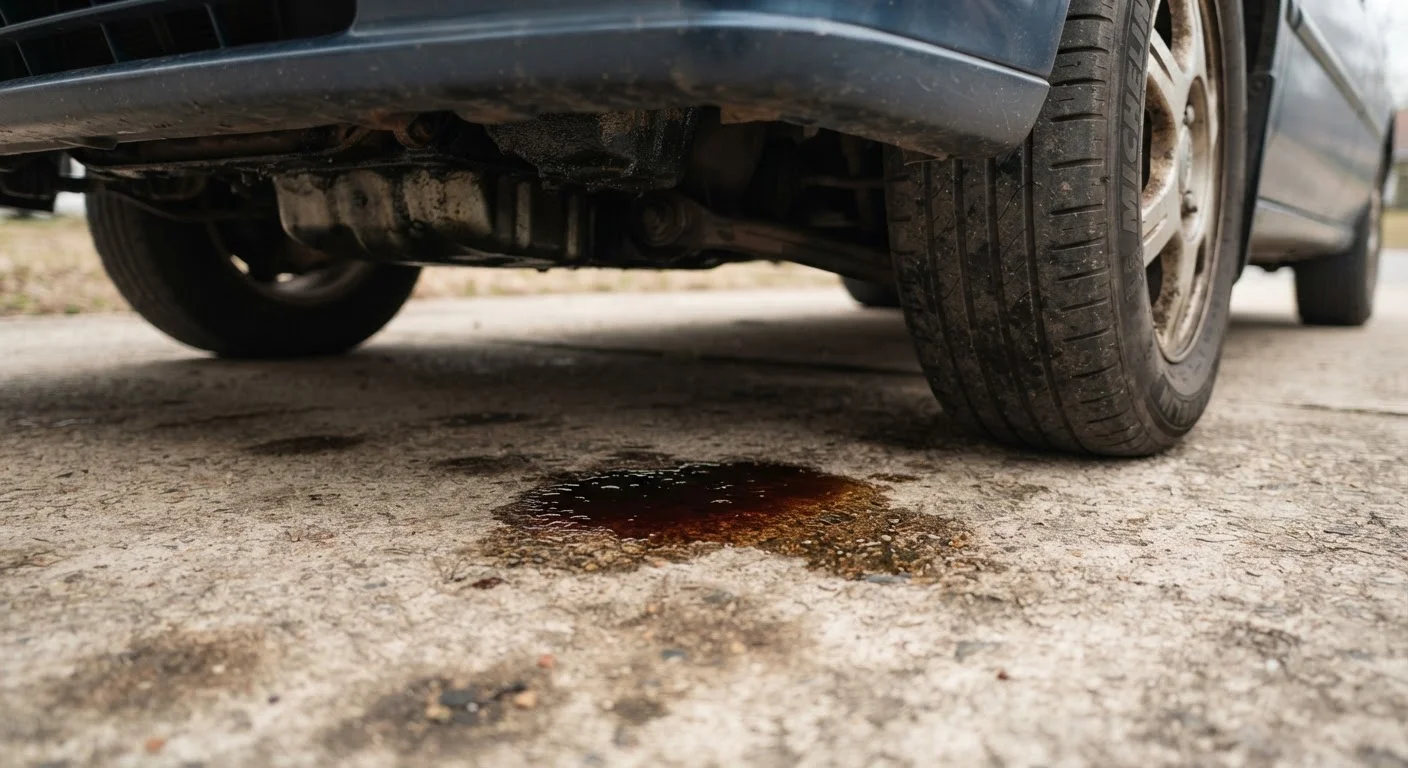
Photo: TrendingResults.net | Discover More, Trend More editorial
Key Takeaways
- Color, consistency, and location are the three clues that identify most vehicle fluid leaks.
- Clear water under the car is almost always harmless condensation from the air conditioning system.
- Dark brown or black oily fluid near the engine is likely oil - and should be investigated promptly.
- Bright green, orange, or pink fluid is coolant; a coolant leak can lead to engine overheating quickly.
- Red or pinkish fluid near the front of the vehicle may signal a transmission or power steering leak.
- When in doubt, check fluid levels immediately and consult a qualified mechanic before driving further.
What You Need Before You Start
Identifying a fluid leak requires almost no special tools - just a few basic items and good lighting. Before crouching under your vehicle, make sure it is parked on a flat, stable surface and the engine has cooled sufficiently if you've been driving.
What you will need
Flashlight or LED work light
Illuminates the underside of the vehicle so you can accurately locate the source and color of the fluid.
Disposable nitrile gloves
Protects your hands from toxic or irritating automotive fluids such as coolant and brake fluid.
White paper towel or clean rag
Used to dab and collect a small sample of the fluid, making color identification much easier.
Vehicle owner's manual
Helps you locate fluid reservoirs to check levels and confirm what fluid each system uses.
Cardboard sheet
Placed under the vehicle overnight to catch drips and pinpoint the leak location more precisely.
How to Read a Fluid Leak: Color, Consistency, and Location
Most vehicle fluids are deliberately colored to make identification easier. Once you know what to look for, a quick visual inspection can tell you a surprising amount. Here's a practical reference:
| Color / Appearance | Likely Fluid | General Urgency |
|---|---|---|
| Clear or light water | AC condensation or water | None - normal |
| Dark brown or black, oily | Engine oil | Moderate to high |
| Bright green, orange, or pink; sweet smell | Coolant (antifreeze) | High |
| Red or pinkish, oily | Transmission or power steering fluid | Moderate to high |
| Clear to light brown, oily | Brake fluid | Very high - do not drive |
| Amber or light yellow, oily | New engine oil or gear oil | Moderate |
| Dark, watery with a fuel smell | Gasoline or diesel | Very high - fire hazard |
Location matters too. A drip directly beneath the engine block points to oil or coolant. Fluid near a wheel or behind a tire may suggest brake fluid - a serious safety concern. A puddle under the rear of the vehicle could indicate a differential or fuel tank issue. Always note where the drip is centered relative to the car's layout.
If you notice a dashboard warning light appearing alongside a visible leak, treat it as urgent. See our guide to decoding warning lights for help interpreting what those indicators mean.
Clear Water Is Usually Nothing to Worry About
Step-by-Step: Inspecting and Responding to a Fluid Leak
Follow these steps whenever you discover fluid under your car. They are designed to help you gather the right information quickly - and make a smart decision about next steps.
Confirm the car is safely parked and cool
Park on a flat, stable surface away from traffic. If you've been driving, allow at least 15-20 minutes for the engine and exhaust to cool before inspecting anything near the engine bay or underneath the vehicle.
Put on gloves and collect a fluid sample
Put on your disposable gloves. Use a clean white paper towel to dab a small amount of the fluid from the ground or from the underside of the car. The white background will make the true color much easier to identify.
Identify the fluid by color and consistency
Compare what you've collected to the color reference table above. Note whether the fluid is thin and watery, thick and oily, or somewhere in between. Thin and watery fluids include coolant and water; thicker, slicker fluids are typically oil, transmission fluid, or brake fluid.
Note the location of the drip relative to the vehicle
Stand over the puddle and look up at the vehicle's underside with your flashlight. Match the drip location to the car's general layout: engine (front-center), transmission (mid-front), fuel tank (rear), or near a wheel (brake system). This narrows down the source significantly.
Check the corresponding fluid reservoir level
Open the hood and check the fluid level in the reservoir associated with the fluid you've identified - engine oil dipstick, coolant overflow tank, brake fluid reservoir, or transmission dipstick (if applicable). A noticeably low level confirms that fluid is escaping from that system.
Decide on next steps based on fluid type and severity
Use the urgency levels in the table above to guide your decision. For brake fluid or fuel leaks, do not drive - arrange professional service immediately. For oil or coolant leaks, assess whether levels are critically low before deciding to drive at all. A very slow oil seep on an otherwise healthy engine may be schedulable; a sudden large coolant loss is not.
Once you've assessed the leak, you'll need to decide whether it's a task you can address yourself or one that requires professional attention. Our overview of DIY vs. mechanic visits can help you make that call. And if you're unsure about urgency, this guide on urgent vs. schedulable symptoms gives clear criteria.
Brake Fluid Leak: Do Not Drive
Leaks You Should Never Ignore
Two fluid leaks stand apart from the rest in terms of immediate risk:
- Brake fluid: If brake fluid is leaking, braking performance can fail rapidly. Do not drive the vehicle - call a mechanic or arrange a tow. For context on related brake safety topics, see our brake maintenance myths article.
- Fuel: A gasoline or diesel leak is a fire hazard. Do not start the engine. Move away from the vehicle and contact roadside assistance or emergency services if needed.
Coolant leaks, while not immediately disabling, can cause rapid engine overheating and severe engine damage within minutes of driving. If your temperature gauge climbs or a coolant warning appears, stop safely and allow the engine to cool before inspecting anything under the hood.
This article is intended for general informational purposes. Always consult a qualified mechanic for diagnosis and repair of vehicle fluid leaks - improper repairs can create safety hazards or cause further vehicle damage.
The content on this site is provided for informational purposes only and should not be considered a substitute for professional advice. While we strive to provide accurate and up-to-date information, we make no guarantees regarding its completeness or accuracy. Always consult a qualified professional for advice specific to your circumstances before making any decisions.