
Your Car's Warning Lights, Decoded

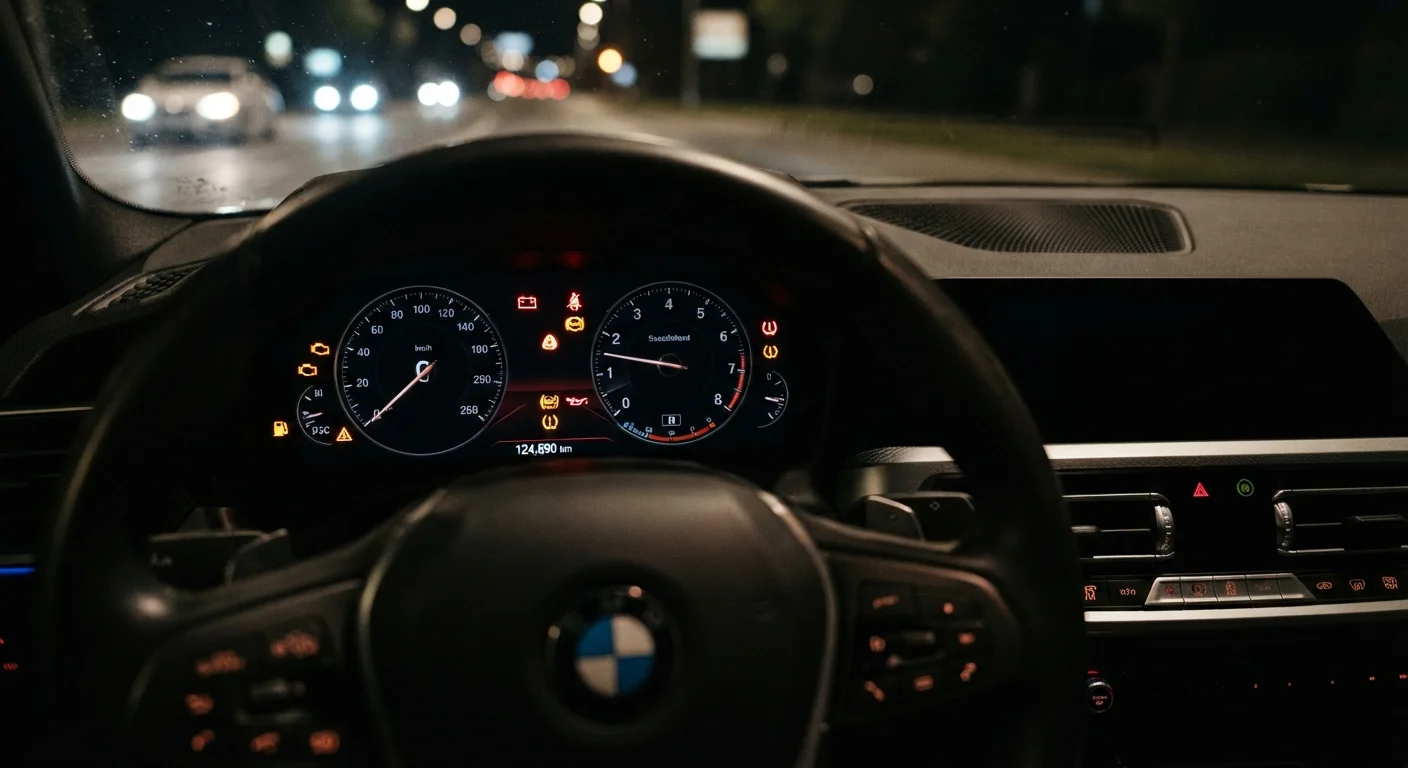
Photo: TrendingResults.net | Discover More, Trend More editorial
Why Warning Lights Exist - and Why You Shouldn't Ignore Them
Modern vehicles are equipped with onboard diagnostic systems that continuously monitor dozens of sensors - from engine temperature to brake pressure. When something falls outside normal parameters, the system triggers a warning light on your instrument cluster. Think of it as your car's way of flagging a concern before it becomes a costly breakdown or, worse, a safety hazard.
Warning lights are generally grouped by urgency. Red lights signal conditions that may require you to stop driving immediately. Amber or yellow lights indicate issues that need attention soon but aren't necessarily emergencies. Green or blue lights are informational - confirming a system is active, like your high beams or turn signals.
Ignoring a warning light doesn't make the underlying problem disappear. In many cases, driving on a lit warning degrades other components. See our guide to urgent vs. non-urgent mechanic visits to understand how to prioritize your response.
| Red Light Response | Pull over safely; do not continue driving |
| Amber Light Response | Schedule service within a day or two |
| Flashing Check Engine | Stop driving; catalytic converter risk |
| TPMS Trigger Threshold | Typically 25% below recommended pressure (U.S. NHTSA TPMS regulation) |
| OBD-II Diagnostic Port | Required on all U.S. cars sold after 1996 (EPA/CARB regulation) |
| Owner's Manual | Primary reference for model-specific light meanings |
The Most Common Warning Lights, Explained
Below is a plain-language breakdown of the lights most drivers encounter. Always consult your owner's manual for model-specific meanings, as symbols can vary slightly by manufacturer.
Check Engine (Amber Engine Symbol)
One of the most misunderstood lights on any dashboard. It can indicate anything from a loose gas cap to a misfiring engine. A steady check engine light suggests a non-emergency issue worth scheduling soon. A flashing check engine light means the engine is misfiring in a way that can damage the catalytic converter - pull over safely and have the vehicle towed rather than driven further.
Oil Pressure Warning (Red Oil Can Symbol)
This is a red-alert light. Low oil pressure can starve your engine of lubrication within seconds, leading to severe and expensive damage. If this light comes on while driving, pull over safely, turn off the engine, and check your oil level. Do not continue driving until the cause is identified. This is not the same as a simple oil change reminder.
Temperature Warning (Red Thermometer Symbol)
Your engine is overheating. Turn off the air conditioning immediately to reduce engine load, and if the light stays on, pull over safely and let the engine cool before opening the hood. Driving an overheated engine can warp cylinder heads - a repair that can cost thousands of dollars.
Battery / Charging System (Red Battery Symbol)
Indicates the battery isn't charging properly, often pointing to a failing alternator, corroded terminals, or a worn battery. Your car may keep running on reserve power, but only for a limited time. Minimize electrical load and head to a mechanic promptly.
Brake Warning (Red Exclamation in Circle)
First, check that your parking brake is fully released. If the light remains on, it could signal low brake fluid or a problem with the brake hydraulic system - both serious safety concerns. Road safety resources can help you understand when driving is genuinely unsafe.
Tire Pressure Monitoring System - TPMS (Amber Exclamation in Tire)
One or more tires are significantly under-inflated. Under-inflation increases blowout risk and reduces fuel efficiency. Check all four tires with a gauge and inflate to the pressure listed on the sticker inside your driver's door jamb, not the number on the tire sidewall.
Traction Control / Stability Control (Amber Skidding Car)
If this flashes briefly while driving in rain or on gravel, it's the system actively working - normal behavior. If it stays on, the system may be disabled or malfunctioning, reducing your vehicle's ability to handle skids safely.
OBD-II
On-Board Diagnostics II - a standardized system built into all U.S. cars sold after 1996 that monitors vehicle systems and stores fault codes readable by a diagnostic scanner.
Fault Code (DTC)
A Diagnostic Trouble Code stored by your car's computer when a sensor reading falls outside normal range. Mechanics use these codes to identify which system triggered a warning light.
Catalytic Converter
An emissions control device in your exhaust system that converts harmful gases into less harmful ones. Engine misfires can overheat and permanently damage it.
TPMS
Tire Pressure Monitoring System - a sensor-based system that alerts the driver when one or more tires drop significantly below the recommended inflation pressure.
Alternator
A generator driven by the engine that recharges the battery and powers the vehicle's electrical systems while the engine is running.
Instrument Cluster
The panel behind the steering wheel that houses the speedometer, fuel gauge, and all warning lights.
What to Do When a Light Comes On
Your first step is staying calm and assessing the color. Red means act now - pull over when safe. Amber means schedule service within a day or two. If you're uncertain, your owner's manual is the definitive reference for your specific vehicle.
A mechanic can connect an OBD-II scanner (a diagnostic tool that reads fault codes stored by your car's computer) to pinpoint exactly which system triggered the light. Many auto parts stores offer this scan at no charge, though interpreting the codes accurately still benefits from a professional eye.
Keep in mind that a warning light accompanied by unusual sounds, smells, or handling changes is always more urgent than a light alone. If your car is pulling to one side, making grinding noises, or producing burning smells alongside a lit dashboard, treat it as an emergency. Similarly, unusual fluid beneath your vehicle may tie directly to a dashboard warning - see our guide to identifying fluid leaks for more context.
This article is for general informational purposes only. Always refer to your vehicle's owner's manual and consult a qualified mechanic for diagnosis and repair of any vehicle issue.
The content on this site is provided for informational purposes only and should not be considered a substitute for professional advice. While we strive to provide accurate and up-to-date information, we make no guarantees regarding its completeness or accuracy. Always consult a qualified professional for advice specific to your circumstances before making any decisions.