
Why Your Tires Wear Unevenly - and What to Do About It

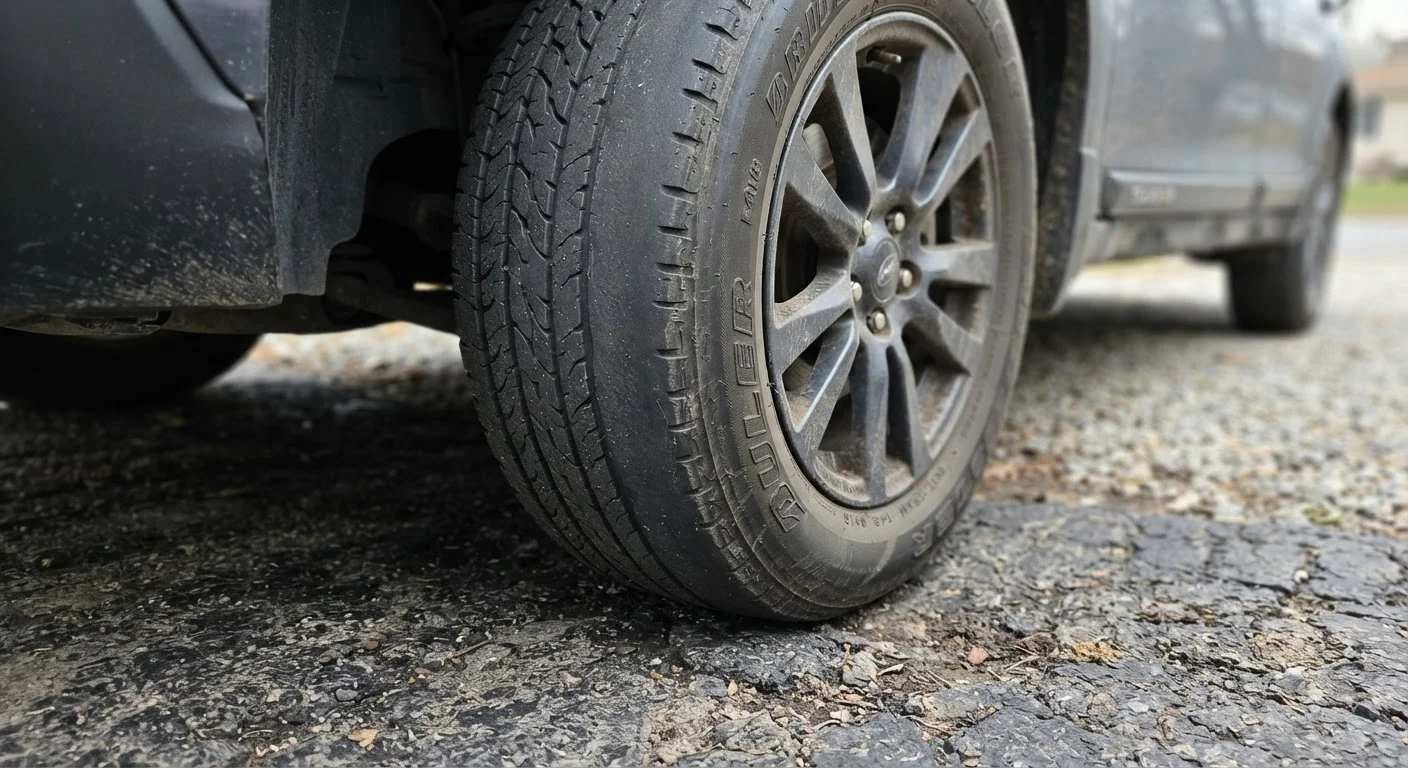
Photo: TrendingResults.net | Discover More, Trend More editorial
Key Takeaways
- Uneven tire wear is almost always caused by an underlying mechanical or maintenance issue, not the tire itself.
- Neglecting tire rotation, alignment, and inflation are the most common preventable causes.
- Catching uneven wear early can extend tire life and prevent more costly repairs down the road.
- Worn suspension or steering components often go unnoticed until tires start showing abnormal wear patterns.
Uneven Wear Is a Symptom, Not the Problem
When your tires wear unevenly, it's tempting to chalk it up to a bad batch of rubber and buy replacements. But in almost every case, the tires are telling you something more important: that a maintenance issue or mechanical problem is silently working against them. Replacing tires without addressing the root cause means the new set will wear unevenly too - often faster than the last.
Common uneven wear patterns each have a name and a cause. Center wear (where the middle of the tread wears faster than the edges) typically signals overinflation. Edge wear (the outer or inner shoulder wearing down first) usually points to underinflation or misalignment. Cupping or scalloping - a wavy, dipped pattern around the tire - often means a worn shock absorber or strut. Learning to read your tires' wear patterns is the first step toward fixing what's actually wrong.
Skipping tire rotations or doing them inconsistently.
Ignoring tire pressure until a warning light appears.
Delaying a wheel alignment after hitting a pothole or curb.
Continuing to drive on worn or failing shock absorbers and struts.
Replacing only one or two tires instead of addressing the set correctly.
How to Inspect Your Tires and Take Action
A basic visual inspection takes just a few minutes and can reveal a lot. Run your hand across each tire's tread surface - if it feels smooth on one side and textured on the other, or if you feel dips and bumps, you have uneven wear. Compare all four tires, since wear differences between axles can also point to alignment or rotation problems.
Don't Replace Tires Without Diagnosing the Cause
If you notice unusual wear, the next step is to determine the cause before buying new tires. A qualified mechanic can perform an alignment check, inspect your suspension components, and measure tread depth across the tire's full width. Tire rotation - moving tires from front to back (and side to side on some vehicles) according to your owner's manual schedule - is one of the simplest and most effective ways to promote even wear across all four tires.
Uneven wear left unchecked can become a safety issue. A tire with severely thinned tread on one edge is more vulnerable to a blowout, especially at highway speeds. See our guide to handling tire blowouts at speed to understand what's at stake and how to respond if the worst happens. And if you're not sure whether your car's braking system is also contributing to handling concerns, our article on brake maintenance myths is worth a read alongside this one.
Staying ahead of tire wear doesn't require expertise - it requires consistency. Check your tire pressure monthly, follow your vehicle's rotation schedule, and have alignment checked at least once a year or after any significant impact with a pothole or curb. These habits protect your investment and, more importantly, keep you safer on the road.
The content on this site is provided for informational purposes only and should not be considered a substitute for professional advice. While we strive to provide accurate and up-to-date information, we make no guarantees regarding its completeness or accuracy. Always consult a qualified professional for advice specific to your circumstances before making any decisions.