
Mindfulness vs. Meditation: Clearing Up the Confusion

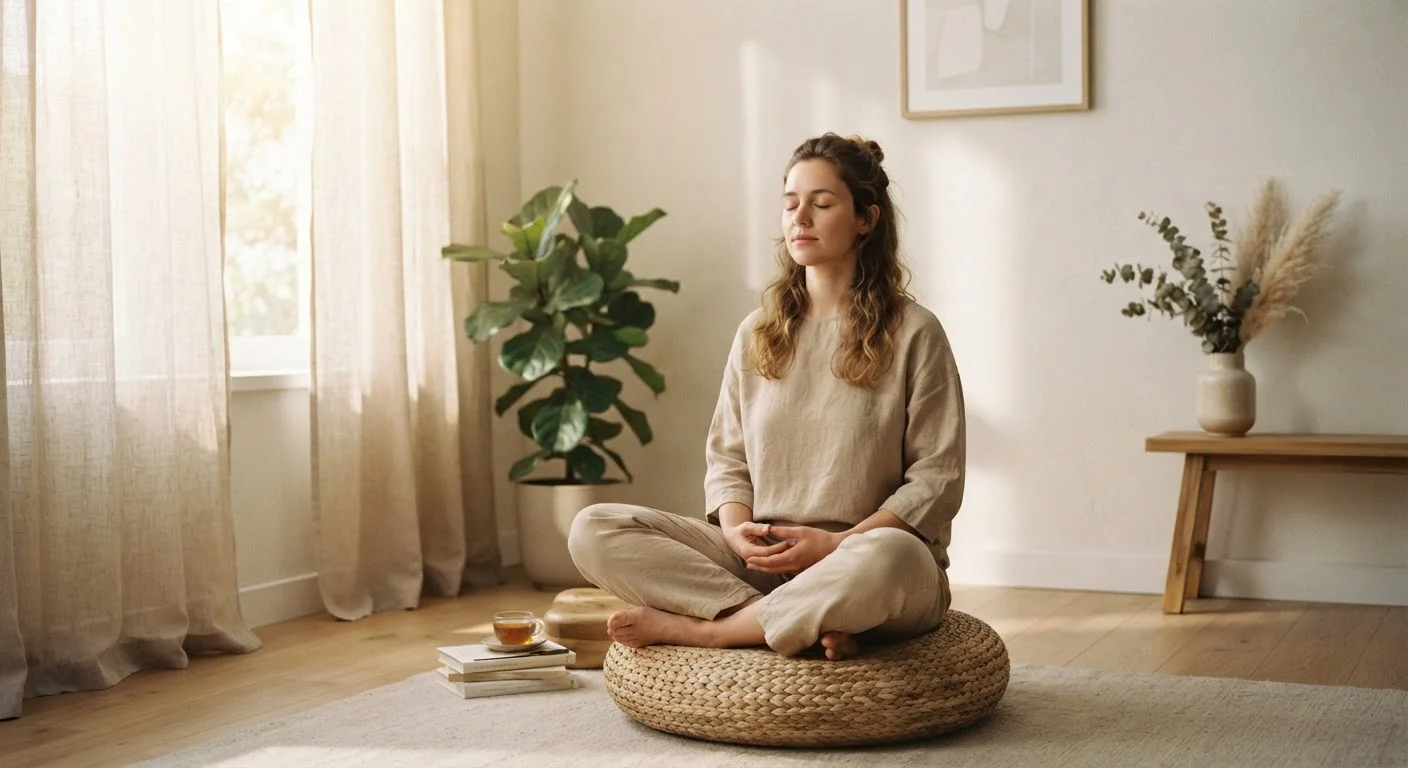
Photo: TrendingResults.net | Discover More, Trend More editorial
Key Takeaways
- Mindfulness is a quality of attention; meditation is a deliberate practice that can train that attention.
- All mindfulness-based meditation involves mindfulness, but not all mindfulness practice is formal meditation.
- Both approaches have research support for reducing stress and improving emotional well-being.
- You don't need to choose one - they work well together and reinforce each other.
- Neither is a substitute for professional mental health care when that's what's needed.
What Each Term Actually Means
The words mindfulness and meditation appear together so often that most people assume they mean the same thing. They don't - though they are closely related.
Mindfulness is a mental quality: the practice of paying deliberate, non-judgmental attention to the present moment. You can be mindful while washing dishes, stuck in traffic, or having a conversation. It's a way of relating to your experience - noticing thoughts, feelings, and sensations without immediately reacting to them.
Meditation is a structured activity - a deliberate practice you set time aside for. During a meditation session, you use specific techniques (focusing on the breath, a body scan, repeating a phrase, or visualizing an image) to train your mind. Many forms of meditation use mindfulness as their central method, but meditation itself is the container, not the quality.
A useful framing: mindfulness is the skill; meditation is one of the most effective ways to develop it. Think of it like physical fitness - mindfulness is agility, and meditation is the gym session that builds it. As research in this area often frames it, mindfulness is both a trait that varies between people and a state that can be cultivated. Meditation is the training ground.
This content is for general informational and educational purposes only and is not a substitute for professional mental health advice, diagnosis, or treatment. Always consult a qualified healthcare professional for personal guidance.
How They Differ in Practice
The clearest way to distinguish them is by looking at how each shows up in real life.
| Criterion | Mindfulness | Meditation |
|---|---|---|
| What it is | A quality of attention | A structured practice |
| When it happens | Any time, during daily activities | During a dedicated session |
| Time required | No set time block needed | Typically 5-45 minutes per session |
| Formality | Informal; no special setup | Formal; intentional structure |
| Primary goal | Present-moment awareness | Train the mind through technique |
| Requires meditation? | No | N/A - meditation is the activity |
| Research support | Growing evidence base | Substantial, especially MBSR programs |
Mindfulness practice tends to be informal - noticing the taste and texture of your food instead of scrolling through your phone, or pausing before responding in an argument to check in with how you're feeling. There's no timer, no app required, and no special posture needed.
Meditation, by contrast, is formal. You choose a time, find a relatively quiet space, select a technique, and follow it for a defined period - even if that's just five minutes. Guided sessions, in-person classes, and apps can all support this structure. The intentionality is the point.
It's also worth noting that not all meditation is mindfulness-based. Loving-kindness meditation (focusing on compassion toward yourself and others), transcendental meditation (using a mantra), and visualization practices are all legitimate forms of meditation that work differently from mindfulness meditation specifically.
For a broader look at how meditation sits alongside other mental wellness tools, see Journaling, Meditation, and Therapy: Finding the Right Emotional Outlet for You.
What the Research Says
Both practices have accumulated meaningful research support, particularly for stress reduction, emotional regulation, and attention. The evidence base for Mindfulness-Based Stress Reduction (MBSR) - an eight-week program developed by Jon Kabat-Zinn that combines formal meditation with mindfulness principles - is among the most studied in this space. Multiple systematic reviews have found MBSR associated with reductions in self-reported stress and anxiety symptoms, though the strength of effects varies by study design and population.
200+
Randomized controlled trials on MBSR
A 2018 review in JAMA Internal Medicine noted over 200 randomized trials examining mindfulness-based interventions across health outcomes.
~10 min
Minimum effective session length studied
Some research suggests brief mindfulness meditation sessions of around 10 minutes may produce measurable short-term effects on attention and mood.
8 weeks
Duration of the standard MBSR program
The Mindfulness-Based Stress Reduction program developed at UMass Medical School runs across eight weeks and is the most widely researched format.
Informal mindfulness practices have also shown benefit in smaller studies, particularly for reducing emotional reactivity - the tendency to be swept along by difficult thoughts or feelings. Research published in psychological journals suggests even brief mindfulness exercises can modestly improve attention and mood in the short term.
It's important to hold this evidence with appropriate nuance. Much research in this field relies on self-report, varies in methodology, and often involves motivated participant groups. Mindfulness and meditation are valuable tools - but they aren't universally effective for everyone or every condition. If you're dealing with significant stress, anxiety, or other mental health concerns, understanding what's driving those feelings is an important first step, and working with a mental health professional remains the appropriate path for clinical-level concerns.
Using Both Together
The good news is that mindfulness and meditation aren't in competition - they naturally reinforce each other. Regular meditation sessions build the attentional muscle you then carry into everyday mindful moments. And intentionally practicing mindfulness throughout your day can make your formal meditation sessions feel more intuitive.
A practical starting approach many people find useful:
- Begin with short, informal mindfulness moments - one conscious breath before a meeting, a mindful pause before eating.
- Gradually add a brief formal meditation session a few days a week, using a guided recording or app if that helps.
- Notice over time whether your ability to catch yourself in automatic reactions - and to return to the present - strengthens.
Understanding these practices also connects to the broader concept of mental well-being and how it differs from mental health - a distinction worth exploring as you build your own wellness toolkit. There's no single correct practice or timeline. The most beneficial practice is generally the one you'll actually sustain.
This article is for informational purposes only and does not constitute medical or mental health advice. Please consult a qualified healthcare professional for personal guidance.
The content on this site is provided for informational purposes only and should not be considered a substitute for professional advice. While we strive to provide accurate and up-to-date information, we make no guarantees regarding its completeness or accuracy. Always consult a qualified professional for advice specific to your circumstances before making any decisions.