
Sleep Hygiene: What the Term Covers and Why Experts Emphasize It

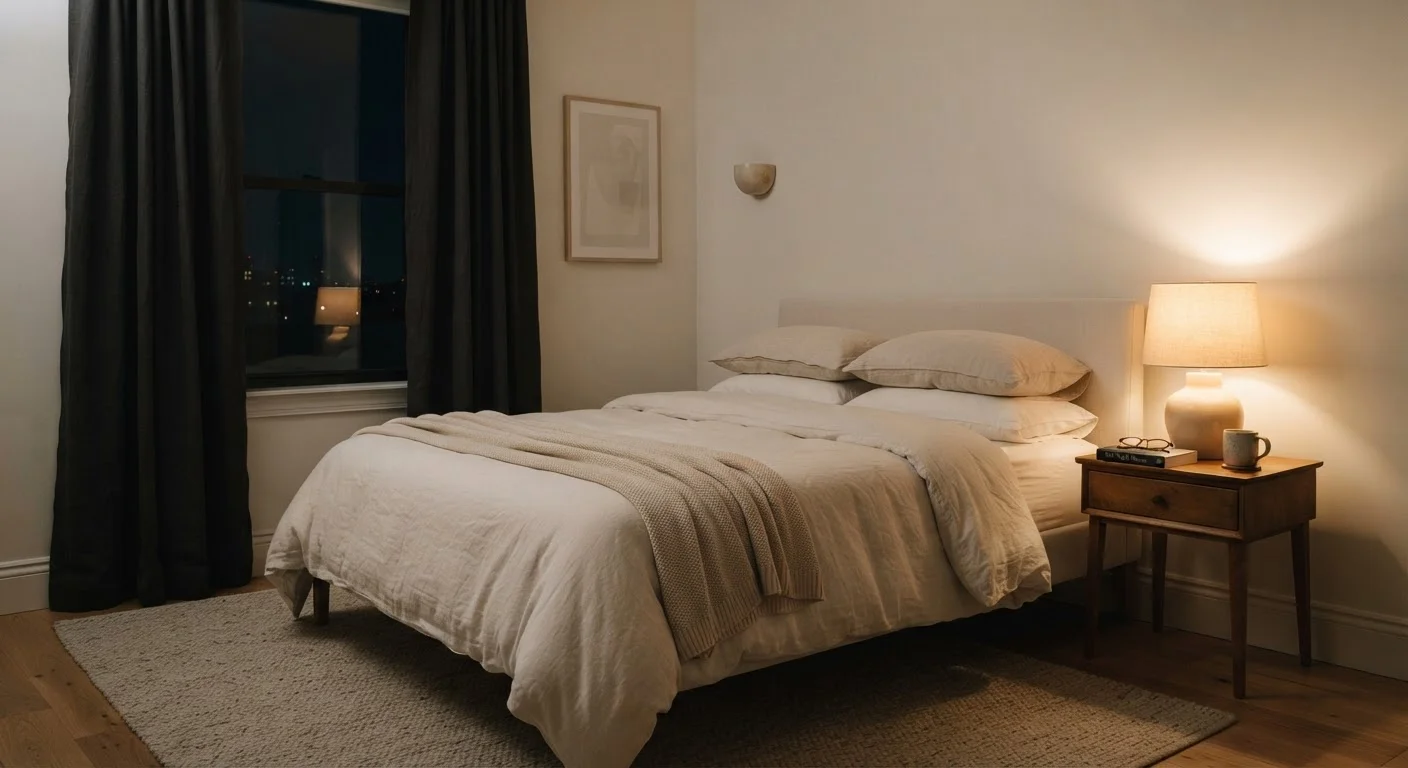
Photo: TrendingResults.net | Discover More, Trend More editorial
What 'Sleep Hygiene' Actually Means
The term sleep hygiene was coined by sleep researchers to describe the collection of behavioral and environmental practices that support regular, restorative sleep. Much like dental hygiene refers to habits that protect teeth over time, sleep hygiene refers to habits that protect your sleep - not a one-time fix, but an ongoing set of routines.
The concept gained traction in clinical settings during the 1970s, when psychologist Peter Hauri began using it in the context of behavioral sleep medicine. Today, it is endorsed by organizations such as the American Academy of Sleep Medicine and the Centers for Disease Control and Prevention (CDC) as a first-line approach for improving sleep quality in otherwise healthy adults.
Sleep hygiene is not a medical treatment, and it doesn't address every sleep problem. Conditions such as sleep apnea or chronic insomnia disorder may require evaluation by a healthcare professional. But for many people dealing with restless nights or difficulty winding down, hygiene-based habits offer a practical, evidence-informed starting point. It's also a central pillar of broader well-being - as explored in daily emotional care practices that mental health professionals broadly recommend.
| Term origin | Coined in behavioral sleep medicine in the 1970s (Attributed to sleep researcher Peter Hauri) |
| Recommended adult sleep duration | 7 or more hours per night (American Academy of Sleep Medicine / CDC) |
| Caffeine half-life in adults | Approximately 5-6 hours (General pharmacological estimate; varies by individual) |
| Key sleep hygiene domains | Schedule, environment, pre-sleep behavior, daytime habits |
| Leading evidence-based treatment for chronic insomnia | Cognitive Behavioral Therapy for Insomnia (CBT-I) (American Academy of Sleep Medicine) |
The Core Elements Sleep Hygiene Covers
Sleep hygiene encompasses four broad domains: schedule consistency, sleep environment, pre-sleep behavior, and daytime habits. Together, these form a framework that aligns your body's natural rhythms with real-life routines.
Schedule Consistency
Going to bed and waking at roughly the same time each day - including weekends - helps reinforce the body's circadian rhythm, the internal 24-hour clock that governs sleep-wake cycles. Irregular schedules can fragment this rhythm, making it harder to fall asleep or feel alert in the morning.
Sleep Environment
The physical space where you sleep matters considerably. Research generally supports keeping the bedroom cool, dark, and quiet. Darkness signals the pineal gland to release melatonin, a hormone associated with sleep onset. Noise and light interruptions, even brief ones, can reduce time spent in deeper sleep stages.
Pre-Sleep Behavior
The hour before bed shapes how easily you transition into sleep. Avoiding stimulating activities - intense exercise, stressful conversations, or screens emitting blue light - is widely recommended. Blue light from phones and tablets has been shown in studies to suppress melatonin production and shift perceived bedtime later. A consistent wind-down routine (reading, light stretching, or quiet reflection) helps signal to the brain that sleep is approaching.
Daytime Habits
What you do during waking hours directly influences nighttime sleep. Caffeine has a half-life of roughly five to six hours in most adults, meaning an afternoon coffee can still be partially active at bedtime. Regular physical activity is associated with better sleep quality, though timing may matter - some people find vigorous exercise close to bedtime energizing rather than settling. Staying adequately hydrated throughout the day also plays a role; see how hydration fits into overall health for a fuller picture.
Sleep hygiene
A set of behavioral and environmental practices designed to promote consistent, restorative sleep. It is a preventive and supportive approach, not a treatment for diagnosable sleep disorders.
Circadian rhythm
The body's internal 24-hour biological clock that regulates sleep-wake cycles, hormone release, and other physiological processes. It is influenced by light, temperature, and daily routines.
Melatonin
A hormone produced by the pineal gland in response to darkness that helps signal sleep onset. Artificial light, especially blue light from screens, can suppress its production.
CBT-I
Cognitive Behavioral Therapy for Insomnia - a structured, evidence-based therapy that addresses the thoughts and behaviors contributing to chronic insomnia. It incorporates sleep hygiene as one component of a broader approach.
Sleep latency
The amount of time it takes a person to fall asleep after going to bed. Longer sleep latency can be a sign that pre-sleep habits or environmental factors are interfering with the sleep-onset process.
Why Experts Emphasize These Habits
Sleep is not a passive state. During sleep, the brain consolidates memories, clears metabolic waste, and regulates hormones including those related to hunger, stress response, and immune function. Consistently poor sleep is associated in research literature with a range of health concerns - from reduced cognitive performance and mood instability to increased risk of cardiovascular and metabolic conditions over time.
Experts emphasize sleep hygiene because behavior is modifiable. Unlike some health risk factors, many sleep-disrupting habits can be identified and adjusted without medication or clinical intervention. Cognitive Behavioral Therapy for Insomnia (CBT-I), which incorporates sleep hygiene principles alongside other behavioral strategies, is currently considered the leading evidence-based approach for chronic insomnia by major sleep and psychiatric organizations.
The habit-building aspect also matters. Just as exercise habits benefit from consistency over intensity, sleep experts note that the cumulative, nightly practice of supportive behaviors tends to produce more durable improvement than sporadic effort.
This article is for general informational and educational purposes only and does not constitute medical advice. If you are experiencing persistent sleep difficulties or suspect a sleep disorder, please consult a qualified healthcare professional.
The content on this site is provided for informational purposes only and should not be considered a substitute for professional advice. While we strive to provide accurate and up-to-date information, we make no guarantees regarding its completeness or accuracy. Always consult a qualified professional for advice specific to your circumstances before making any decisions.