
The Science Behind Why Chronic Stress Wears the Body Down

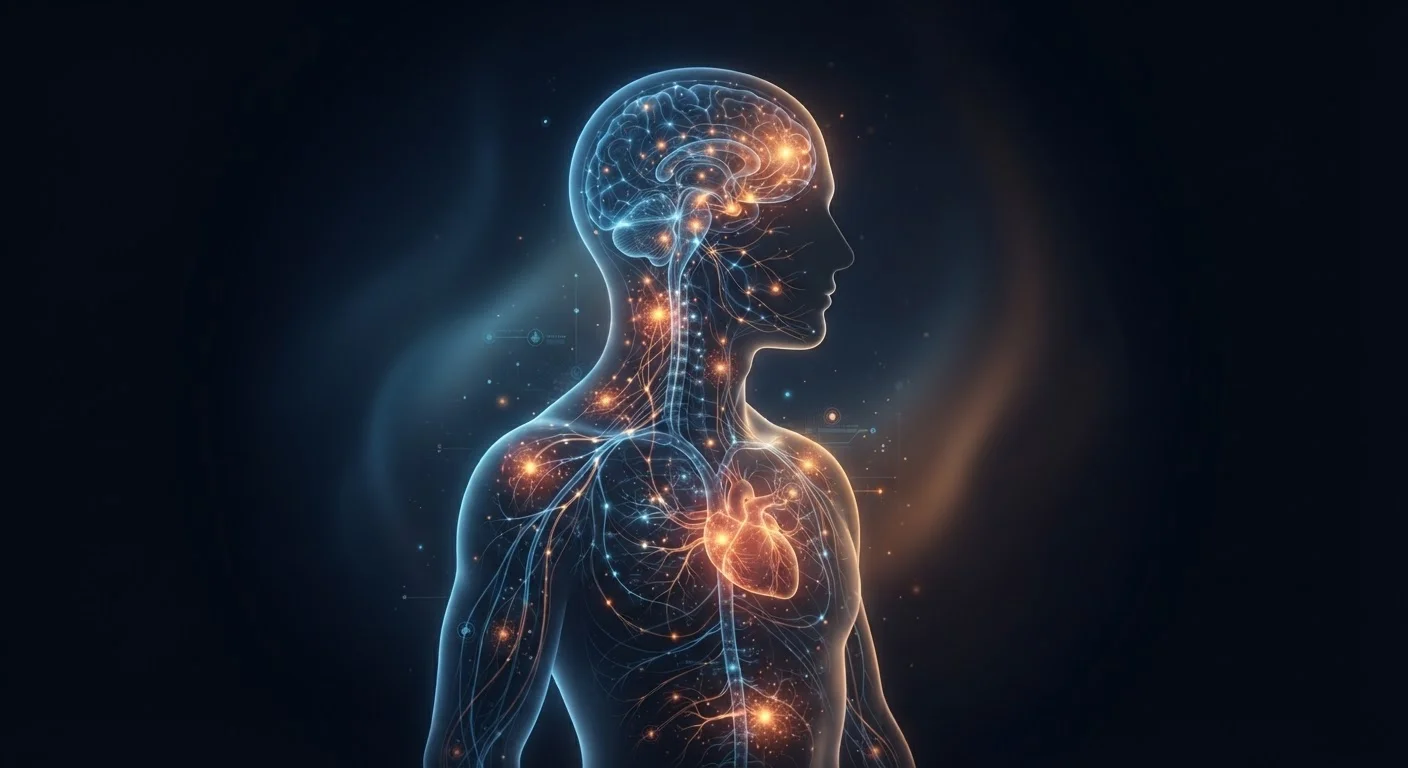
Photo: TrendingResults.net | Discover More, Trend More editorial
Key Takeaways
- Chronic stress keeps the body in a prolonged state of biological alert, unlike brief, manageable acute stress.
- Cortisol, the primary stress hormone, can impair immune function, digestion, sleep, and cardiovascular health when chronically elevated.
- The brain's structure and function can be affected by long-term stress, particularly areas involved in memory and emotional regulation.
- Stress-related physical symptoms are real physiological events, not just psychological perceptions.
- Recognizing chronic stress early and seeking professional support can meaningfully reduce its long-term impact.
How the Stress Response Was Designed to Work
The human stress response evolved as a survival mechanism. When the brain detects a threat - real or perceived - it triggers the release of adrenaline and cortisol, hormones that sharpen focus, accelerate heart rate, and redirect energy toward the muscles. This is the well-known "fight-or-flight" response, and in genuine emergencies, it's remarkably effective.
The system is designed to switch off once the threat has passed. Heart rate slows, hormone levels drop, and the body returns to a resting state. Problems arise when the "off" switch doesn't engage - when stressors are continuous, overlapping, or perceived as uncontrollable. At that point, the same biological machinery that protects begins to cause wear.
What Happens Inside the Body Under Prolonged Stress
The primary driver of chronic stress's physical toll is cortisol. Produced by the adrenal glands, cortisol in short bursts is useful - it regulates inflammation, helps metabolize glucose, and modulates immune function. But when cortisol remains elevated for extended periods, those same functions are disrupted.
77%
Adults reporting physical stress symptoms
According to the American Psychological Association's Stress in America survey, a large majority of U.S. adults report experiencing physical symptoms they associate with stress.
2-3×
Elevated cardiovascular risk with chronic stress
Research published in peer-reviewed cardiology literature suggests chronically stressed individuals may face two to three times the cardiovascular risk compared to lower-stress counterparts, though multiple factors influence individual outcomes.
~30%
Reduction in natural killer cell activity under stress
Studies on psychological stress and immune function have found meaningful reductions in natural killer cell activity - a key component of immune surveillance - in individuals under sustained stress.
Cardiovascular system: Sustained high cortisol contributes to elevated blood pressure and increased heart rate over time. Researchers have documented associations between chronic psychosocial stress and higher rates of cardiovascular events, though the relationship is complex and influenced by many factors.
Immune function: The immune system is acutely sensitive to cortisol. While brief stress can temporarily boost certain immune responses, chronic stress is associated with suppressed immune activity, making the body more susceptible to illness and slower to recover.
Digestive health: The gut and brain are in constant communication via the gut-brain axis. Chronic stress can alter digestive motility, increase gut permeability, and shift the composition of the gut microbiome - potentially contributing to symptoms like bloating, discomfort, or altered bowel habits.
Sleep architecture: Elevated cortisol in the evening - when it should naturally be low - interferes with the body's ability to initiate and maintain deep sleep. Poor sleep, in turn, makes the stress response more reactive the following day, creating a reinforcing cycle.
The Brain Under Pressure
Chronic stress doesn't just affect the body from the neck down. Neuroimaging research has shown that prolonged cortisol exposure is associated with structural and functional changes in key brain regions. The hippocampus, which is central to forming and retrieving memories, appears particularly vulnerable; studies have observed reduced hippocampal volume in individuals with histories of chronic stress or stress-related conditions.
The prefrontal cortex - responsible for executive functions like planning, decision-making, and impulse control - also shows reduced activity under chronic stress conditions. Meanwhile, the amygdala, which processes emotional threat signals, can become more reactive. This combination helps explain why people under sustained stress often report difficulty concentrating, feeling emotionally reactive, or struggling to "turn off" anxious thinking.
“Stress is not simply an emotional state - it is a biological condition with measurable consequences for brain structure, immune function, and long-term health. The body keeps a precise record of what the mind experiences.”
— Bruce McEwen, Neuroendocrinologist and researcher on stress and the brain, Rockefeller University
These neurological changes are not permanent in all cases, and research suggests that recovery is possible with appropriate intervention and reduced stressor load. But they underscore that the cognitive effects of chronic stress are biological realities, not personal failings.
Recognizing the Signals and Finding Support
Chronic stress often builds gradually, making it easy to normalize. Common physical signals include persistent fatigue, frequent headaches, muscle tension - especially in the neck, jaw, or shoulders - digestive changes, and disrupted sleep. Emotionally, people may notice irritability, difficulty concentrating, or a reduced sense of satisfaction in activities they typically enjoy.
Understanding that these symptoms reflect real physiological processes - not weakness or overreaction - is an important starting point. Some everyday habits quietly erode emotional resilience over time, compounding the body's stress burden in ways that aren't always obvious.
If you're uncertain whether what you're experiencing is stress, anxiety, burnout, or something else, a helpful place to start is understanding how stress, anxiety, and burnout differ - because each calls for somewhat different responses.
No editorial resource is a substitute for personalized guidance. If chronic stress is affecting your quality of life, a licensed healthcare provider or mental health professional is the appropriate next step. They can help assess your situation and identify evidence-based strategies tailored to your needs.
This article is for general informational purposes only and does not constitute medical or mental health advice. Always consult a qualified healthcare professional for concerns about your personal health.
Frequently Asked Questions
The content on this site is provided for informational purposes only and should not be considered a substitute for professional advice. While we strive to provide accurate and up-to-date information, we make no guarantees regarding its completeness or accuracy. Always consult a qualified professional for advice specific to your circumstances before making any decisions.