Tile vs. Luxury Vinyl Plank: Choosing the Right Floor for Every Room

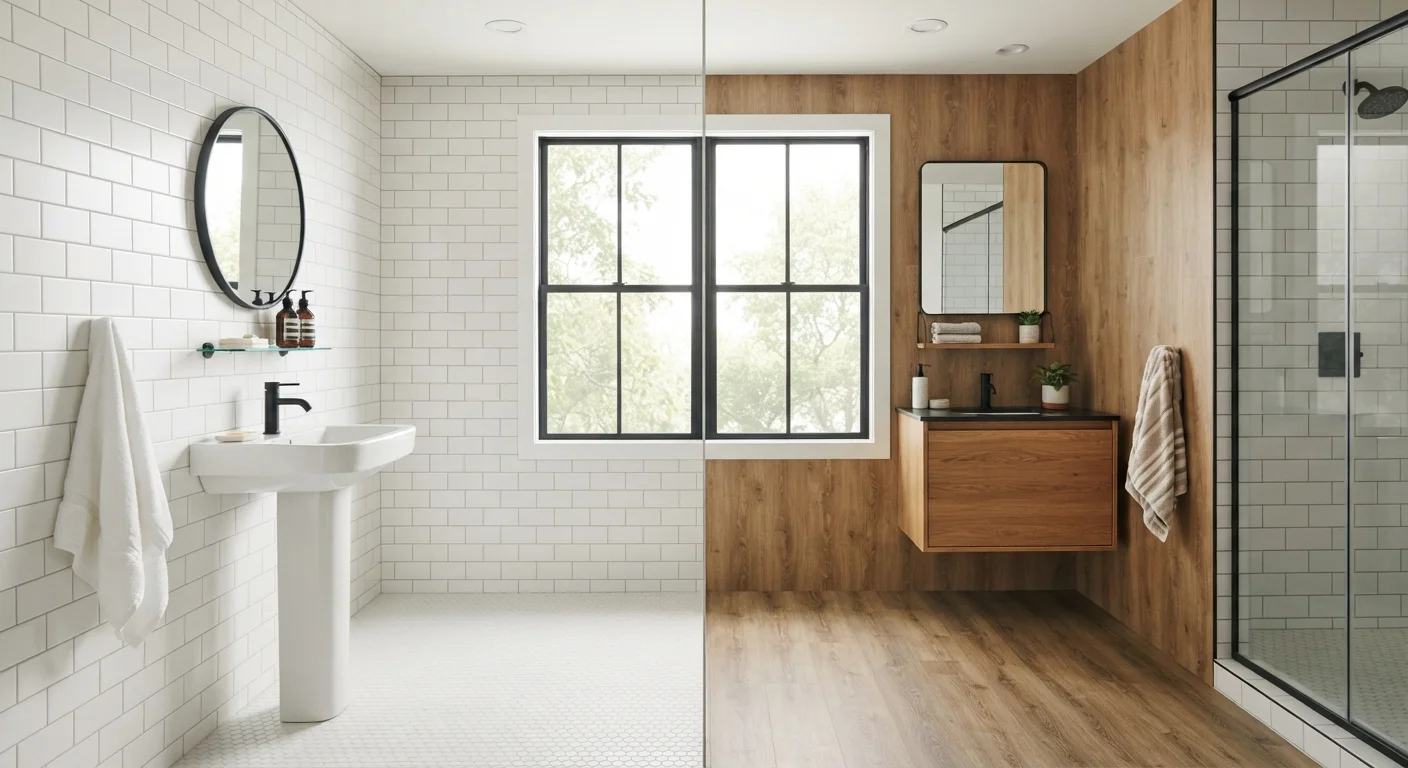
Photo: TrendingResults.net | Discover More, Trend More editorial
Key Takeaways
- Tile offers superior longevity and waterproofing but is harder and colder underfoot.
- LVP installs faster, costs less on average, and is warmer and quieter to walk on.
- Tile requires professional-grade prep and grouting; LVP is more DIY-friendly for most homeowners.
- Both materials are highly water-resistant, but only tile is truly waterproof down to the subfloor.
- Room function, subfloor condition, and your budget should all factor into the final decision.
Durability and Lifespan
Porcelain tile is one of the hardest flooring materials available, with a surface that resists scratching, staining, and fading almost indefinitely. A well-installed tile floor can last 50 years or longer, making it one of the most durable choices for high-traffic zones. Its weak points are the grout lines, which can crack or stain over time if not sealed and maintained regularly, and the tile itself, which can chip or crack if something heavy is dropped on it.
LVP has improved dramatically in wear-layer thickness over the past decade. A residential-grade plank with a 12-mil or thicker wear layer resists normal scratches and dents well, though it doesn't match the raw hardness of porcelain. Most quality LVP carries a 15-25 year warranty for residential use, and it tends to hold up well under pets and kids. However, sharp furniture legs and direct sunlight can gradually degrade the surface, so protective pads and UV-blocking window treatments are worth considering.
| Criterion | Ceramic / Porcelain Tile | Luxury Vinyl Plank (LVP) |
|---|---|---|
| Lifespan | 50+ years with proper care | 15-25 years (residential grade) |
| Waterproofing | Fully waterproof (sealed grout) | Water-resistant, not waterproof |
| DIY Friendliness | Low - requires skilled labor | High - click-lock floating install |
| Comfort Underfoot | Hard and cold | Cushioned and warmer |
| Sound Absorption | Poor - echoes foot traffic | Good - underlayment dampens sound |
| Scratch Resistance | Excellent (porcelain) | Good (depends on wear layer) |
| Best Room Fit | Bathrooms, entryways, kitchens | Living rooms, bedrooms, basements |
Moisture Resistance: A Critical Difference
Both materials are marketed as water-resistant, but there's an important distinction. Tile itself is completely waterproof - water cannot penetrate the glazed surface of ceramic or porcelain. The limiting factor is the grout, which is porous unless sealed. When properly sealed and maintained, a tiled floor effectively becomes a watertight surface, making it the gold standard for wet rooms.
LVP is water-resistant, meaning the planks won't swell or warp when surface water is cleaned up promptly. However, if significant water infiltrates the seams and sits under the floor for extended periods, it can reach the subfloor and cause damage. For bathrooms with standing water risk or rooms prone to flooding, tile remains the safer choice. For kitchens, mudrooms, or laundry spaces with occasional splashes, a quality LVP performs reliably.
LVP in Bathrooms: Proceed with Caution
Installation Complexity and Cost Considerations
Tile installation is a skilled trade. It requires a flat, rigid subfloor (deflection causes tiles to crack), a cement backer board in wet areas, precise layout planning, thinset mortar, and grouting. Mistakes are difficult and expensive to correct. Most homeowners benefit from hiring a licensed tile installer, particularly for bathrooms and kitchens. If you're planning a larger renovation, consider how flooring fits into your overall scope - our kitchen remodel roadmap covers how to sequence trades so flooring work doesn't create costly rework.
LVP, by contrast, is designed for floating installation. Most products click together without adhesive and can be laid directly over existing flooring that is flat and in good condition. A motivated DIYer with basic tools can typically complete an average-sized room in a day. Material costs for LVP vary widely, but are generally lower than comparable-quality tile when you factor in the reduced labor involved.
~$5-$10/sq ft
Average installed cost for LVP
Cost estimates from home improvement industry sources suggest LVP typically runs $5-$10 per square foot installed, compared to $10-$20 or more for tile with professional labor.
50+ years
Potential lifespan of porcelain tile
The Tile Council of North America notes that properly installed porcelain tile can last the lifetime of a building when maintained correctly.
Comfort, Temperature, and Acoustics
One of tile's most consistent complaints is that it's hard and cold underfoot - especially in winter climates. Radiant in-floor heating systems can address the temperature issue, but they add installation complexity and operating costs. In bare feet or for people who stand for long periods, tile can cause fatigue faster than softer surfaces.
LVP's layered construction - typically a rigid core, attached underlayment, and wear layer - provides noticeable cushioning compared to tile. It also absorbs impact sound better, which matters in multi-story homes or apartments. For open-plan living areas where family members spend hours on their feet, this comfort difference is tangible and frequently cited as a deciding factor by homeowners who switch from tile.
The content on this site is provided for informational purposes only and should not be considered a substitute for professional advice. While we strive to provide accurate and up-to-date information, we make no guarantees regarding its completeness or accuracy. Always consult a qualified professional for advice specific to your circumstances before making any decisions.