
Before You Apply for a Loan: A Pre-Application Credit Checklist

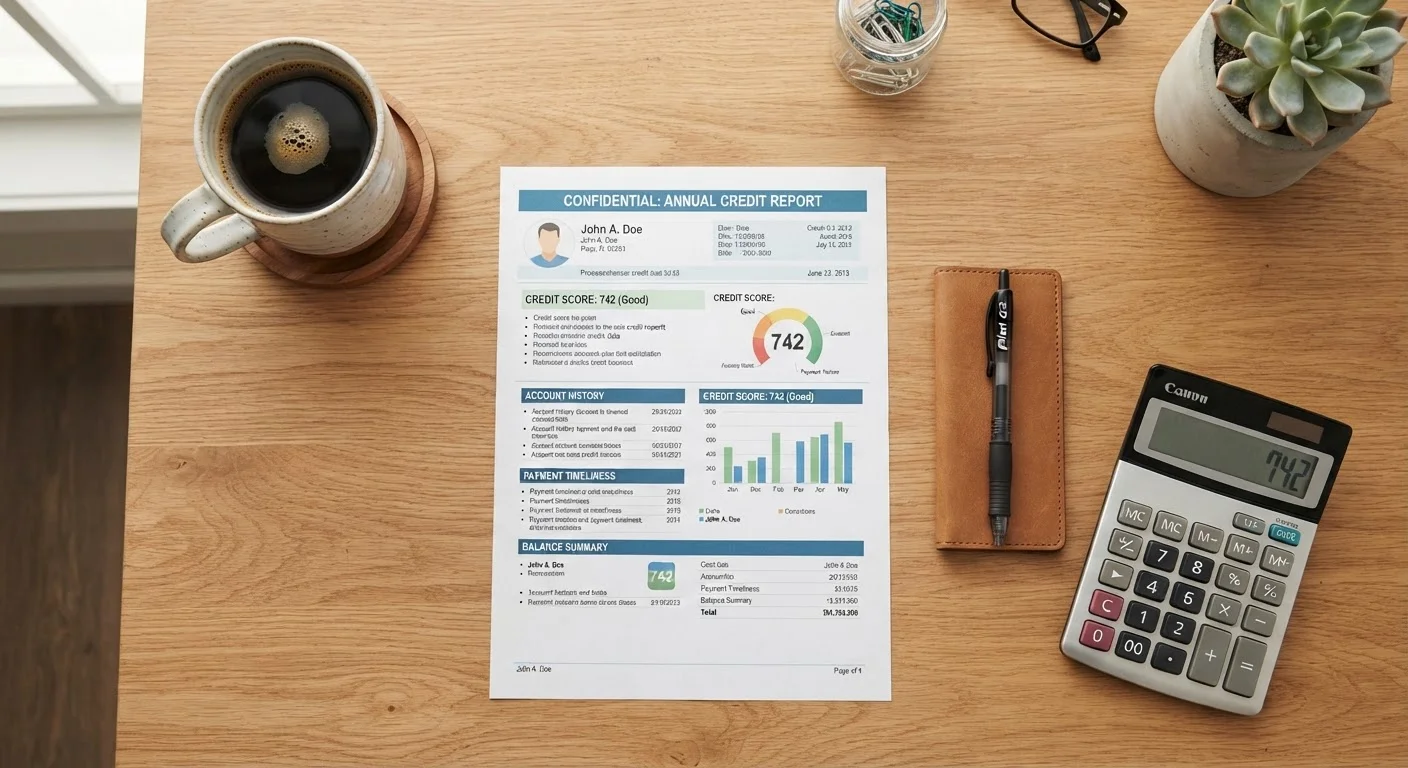
Photo: TrendingResults.net | Discover More, Trend More editorial
Key Takeaways
- Your credit report and credit score are two distinct things - review both before applying.
- Errors on credit reports are more common than many borrowers expect and can be disputed.
- High credit utilization can lower your score even if you've never missed a payment.
- Lenders consider debt-to-income ratio alongside your credit score when evaluating applications.
- A hard inquiry from a loan application temporarily affects your credit score.
- Preparing in advance - even a few months out - can meaningfully improve your approval odds.
Why This Checklist Matters Before You Apply
Submitting a loan application before understanding your credit profile is one of the most common - and costly - mistakes borrowers make. A lender's decision isn't based solely on your credit score; it reflects the full picture of your credit history, outstanding debt, income, and recent credit behavior. Working through this checklist before you apply gives you a clear view of where you stand and time to address issues that could affect your approval or the terms you're offered.
This article is for general informational purposes only and does not constitute personalized financial or lending advice. For guidance specific to your situation, consult a licensed financial professional.
Errors on Credit Reports Are Surprisingly Common
Whether you're preparing for a mortgage, a car loan, or a personal loan, the fundamentals are the same. If you're also thinking about what it takes financially to begin house hunting, this checklist is a logical first step in that process too.
Tools You'll Need
Before working through the checklist, gather the right resources. You don't need paid services to complete this process - most of what you need is available at no cost.
AnnualCreditReport.com
The federally authorized source for requesting free credit reports from Equifax, Experian, and TransUnion.
Credit score provider (bank, credit union, or card issuer)
Many financial institutions offer free access to your FICO or VantageScore as a customer benefit.
Spreadsheet or budgeting app
Useful for calculating your debt-to-income ratio and tracking monthly obligations against income.
Bureau dispute portals (Equifax, Experian, TransUnion)
Each bureau has an online dispute process for challenging inaccurate information on your credit report.
If you're also working on building long-term credit habits, these same tools form the foundation of ongoing credit monitoring - not just a one-time review.
The Pre-Application Credit Checklist
Work through each group below at your own pace. Items marked must are non-negotiable steps that directly affect your application; should items are strongly recommended and can meaningfully improve your outcome.
Pull and Review Your Credit Reports
Understand Your Credit Score
Evaluate Your Credit Utilization and Balances
Assess Your Debt-to-Income Ratio
Manage Inquiries and New Credit Activity
Avoid Opening New Credit Before Applying
Credit Repair Services Make Promises They Can't Keep
If you plan to finance a vehicle purchase, the same credit factors apply. The car buying process often involves financing decisions that benefit from this kind of advance preparation.
What to Do After the Checklist
Once you've worked through these items, you're in a much stronger position to evaluate whether now is the right time to apply - or whether a few months of preparation could meaningfully change your outcome. If your score is lower than you'd like, focus on on-time payments, reducing revolving balances, and avoiding new inquiries while you wait.
If your finances are in solid shape and you're thinking about next steps, consider reviewing the readiness checklist for savings and investment accounts - because borrowing and saving decisions are often connected parts of the same financial picture.
This article is for general informational and educational purposes only. It is not personalized financial, credit, or legal advice. Credit outcomes vary based on individual circumstances, lender criteria, and market conditions. Consult a licensed financial adviser or credit counselor for guidance specific to your situation.
The content on this site is provided for informational purposes only and should not be considered a substitute for professional advice. While we strive to provide accurate and up-to-date information, we make no guarantees regarding its completeness or accuracy. Always consult a qualified professional for advice specific to your circumstances before making any decisions.