
Closing Costs Explained: What You're Actually Paying and Why

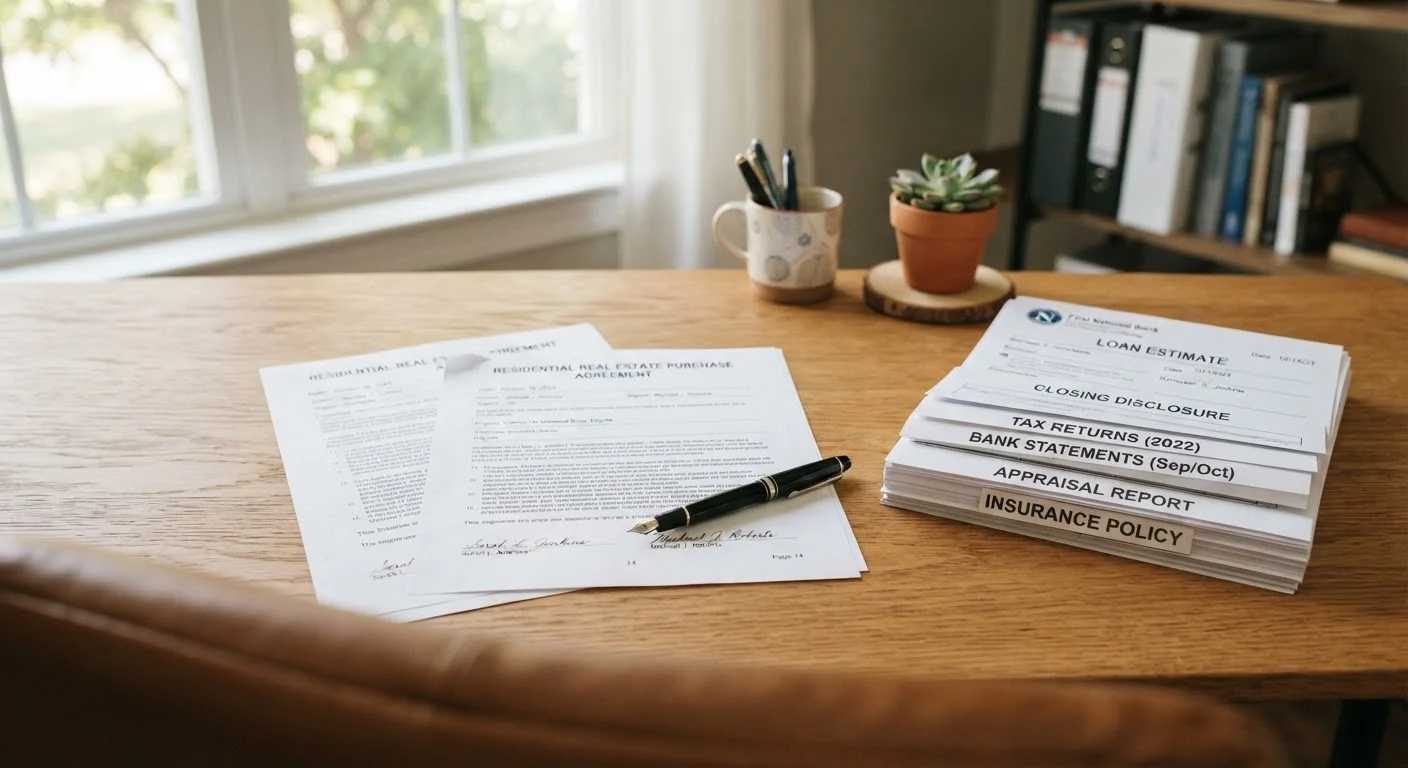
Photo: TrendingResults.net | Discover More, Trend More editorial
What Closing Costs Are - and Aren't
Closing costs are the fees and prepaid expenses required to finalize a real estate transaction. They are separate from your down payment and cover services provided by lenders, government agencies, attorneys, and third-party vendors involved in transferring ownership and funding your loan.
Many first-time buyers are caught off guard because these costs don't appear in the home's listing price. Understanding them early helps you plan accurately. For a broader look at the entire purchase timeline, see our step-by-step homebuying guide.
| Typical closing cost range (buyer) | 2%-5% of the purchase price (Consumer Financial Protection Bureau (CFPB)) |
| Average closing cost on a $400,000 home | $8,000-$20,000 (Based on the 2%-5% CFPB range) |
| Required disclosure window | Loan Estimate within 3 business days of application (RESPA / CFPB rule) |
| Closing Disclosure delivery deadline | At least 3 business days before closing (CFPB TRID rule) |
| Seller contribution limits (conventional loans) | 2%-9% of purchase price, depending on down payment (Fannie Mae guidelines) |
| Title insurance: one-time vs. recurring | One-time premium paid at closing (Industry standard) |
The Main Fee Categories: Who Charges What
Closing costs fall into three broad buckets:
- Lender fees - Origination fees, underwriting fees, discount points (optional prepaid interest to lower your rate), and application fees. These vary by lender and are the most negotiable line items on your Closing Disclosure.
- Third-party service fees - Appraisal, home inspection, title search, title insurance, settlement/escrow agent fees, and attorney fees (required in some states). You may have the right to shop independently for these providers.
- Prepaid items and escrow setup - Homeowners insurance premiums, prepaid mortgage interest (covering the days between closing and your first payment due date), and initial escrow deposits for property taxes and insurance. These are not negotiable in amount, but they're legitimate costs rather than profit for anyone.
Government recording fees and transfer taxes - charged by county and state - round out the total. Rates differ widely by location.
What's Negotiable - and How to Reduce the Total
Not every line on your Closing Disclosure is fixed. Here's where negotiation is realistic:
- Lender origination fees: Ask lenders to waive or reduce processing and underwriting fees, especially if you have strong credit or are bringing a larger down payment.
- Title and settlement services: In most states, buyers can choose their own title company or settlement agent. Getting competing quotes can save several hundred dollars.
- Seller concessions: You can negotiate for the seller to contribute toward your closing costs as part of the purchase offer. Conventional loan limits cap these concessions at 2%-9% of the purchase price depending on your down payment size.
- Lender credits: Accepting a slightly higher interest rate in exchange for lender credits can reduce upfront cash needed - a useful trade-off if you're cash-constrained at closing.
Your Loan Estimate Is a Comparison Tool
Closing costs are only part of the long-term cost picture. Once you own the home, recurring expenses take over - property taxes, maintenance, HOA fees, and more. See our full breakdown of annual homeownership costs for a realistic ongoing budget.
Reading Your Closing Disclosure Before You Sign
Federal law (RESPA/TRID rules) requires your lender to deliver a Closing Disclosure at least three business days before your scheduled closing. Use that window to do the following:
- Compare the CD to your original Loan Estimate line by line. Certain fees cannot increase from the LE to the CD; others can increase only within defined limits.
- Flag any new fee that did not appear on your Loan Estimate and ask for a written explanation.
- Confirm the loan amount, interest rate, and monthly payment match what you agreed to.
- Verify that seller credits negotiated in your purchase contract appear on the CD.
If you spot a discrepancy, your lender or settlement agent is required to address it before closing proceeds. Sellers face their own version of this cost exercise - for a parallel look at seller-side fees, our seller cost breakdown covers what owners typically pay to exit a transaction.
This article is for general informational purposes only and does not constitute financial, legal, or tax advice. Closing cost rules, limits, and requirements vary by state, loan type, and lender. Consult a licensed real estate attorney, HUD-approved housing counselor, or qualified financial professional for guidance specific to your situation.
The content on this site is provided for informational purposes only and should not be considered a substitute for professional advice. While we strive to provide accurate and up-to-date information, we make no guarantees regarding its completeness or accuracy. Always consult a qualified professional for advice specific to your circumstances before making any decisions.