
Home Inspection Red Flags Every Buyer Should Recognize

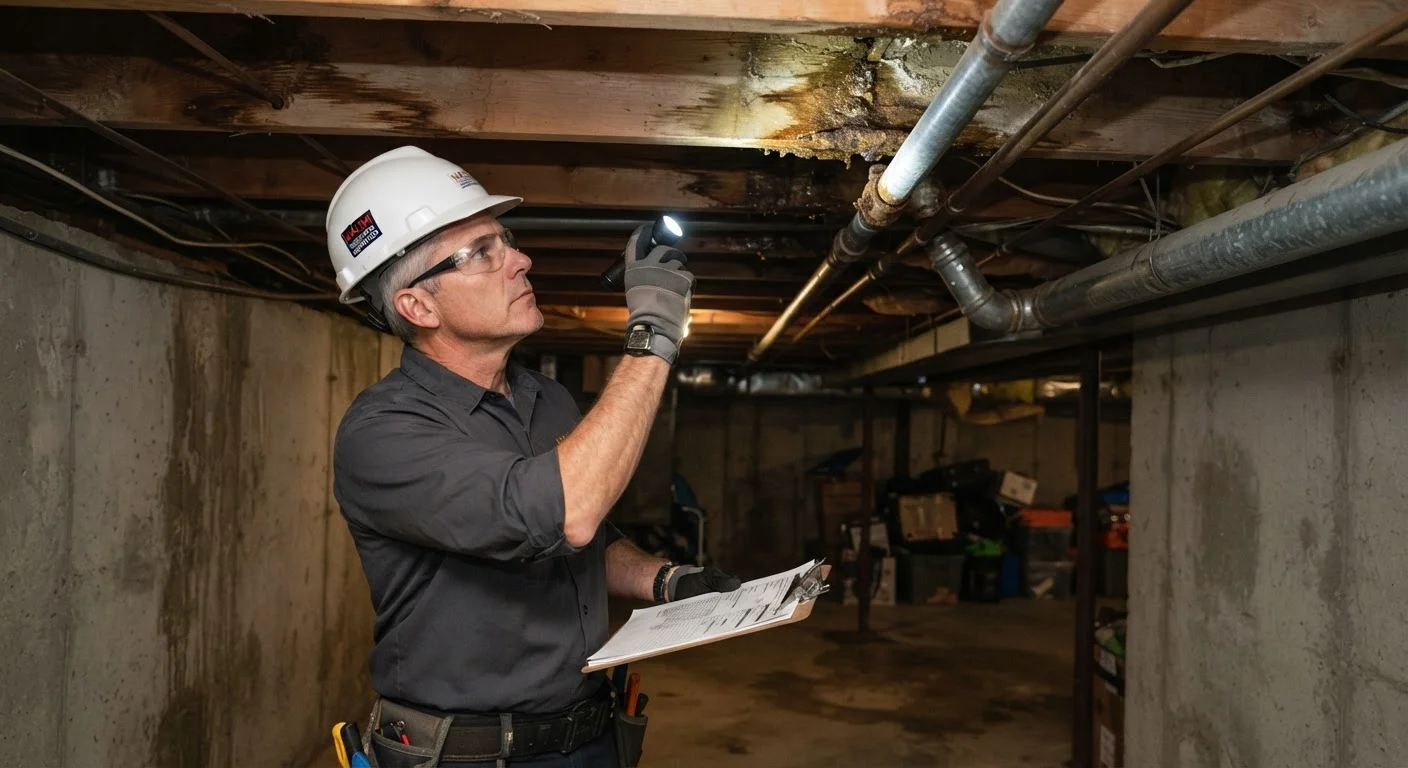
Photo: TrendingResults.net | Discover More, Trend More editorial
Key Takeaways
- Structural, electrical, and water-related issues are the costliest inspection findings buyers can face.
- Not every defect is a dealbreaker - context, age, and repair cost all affect how to respond.
- An inspection contingency gives buyers legal room to negotiate or walk away based on findings.
- Buyers should attend the inspection in person to ask questions and understand findings firsthand.
- Some red flags - like unpermitted additions - may also create title or insurance complications later.
Why Inspection Findings Aren't All Equal
A home inspection report can run 40 pages and flag dozens of items. That volume alone can feel alarming - but most findings fall into routine maintenance categories that any home accumulates over time. The real skill is distinguishing cosmetic issues from conditions that signal deeper structural, safety, or financial risk.
Inspectors are trained to evaluate systems and components, not assign a price tag or verdict. That judgment belongs to the buyer, ideally with input from a qualified contractor for any finding that raises concern. Understanding which categories carry the most weight helps buyers ask better questions and make clearer decisions. See our guide to negotiating after an inspection for practical next steps once a report is in hand.
Foundation Cracks and Structural Movement
Horizontal cracks in basement walls, stair-step cracking in brick, or doors and windows that no longer close squarely can all point to foundation movement. Not every crack is catastrophic - hairline vertical cracks in poured concrete are common and often stable - but horizontal or diagonal cracking, especially combined with bowing walls, warrants a separate evaluation by a licensed structural engineer.
Foundation repair costs vary widely depending on the extent of movement, soil conditions, and the method required. What matters at the inspection stage is getting a qualified second opinion before assuming the worst or dismissing it entirely.
Horizontal cracks in basement walls are among the most serious signals a foundation evaluation can uncover.
Evidence of Water Intrusion or Past Flooding
Water damage is one of the most common - and most frequently concealed - problems inspectors encounter. Signs include staining on ceilings or walls, efflorescence (white mineral deposits) on basement masonry, soft or buckled flooring, and musty odors. Inspectors will probe suspected areas with moisture meters, but their tools have limits.
Active leaks, chronic seepage, or evidence of repeated flooding can indicate grading issues around the foundation, failed waterproofing, or roof deficiencies. Any of these requires targeted follow-up by a waterproofing contractor or roofer before a buyer can accurately assess repair scope and cost.
Musty odors and stained ceilings are often the visible tip of a much larger water intrusion problem.
Outdated or Hazardous Electrical Systems
Electrical deficiencies range from minor code updates to genuine fire hazards. Inspectors flag concerns such as aluminum branch wiring (used in some homes built in the 1960s-70s), double-tapped breakers, ungrounded outlets, missing GFCI protection near water sources, and panels with known safety histories, such as certain recalled breaker brands.
Any electrical concern flagged in a report deserves follow-up from a licensed electrician - not just a general contractor. For a broader look at warning signs homeowners and buyers should recognize, see signs your home's electrical wiring needs a professional. Electrical upgrades can be straightforward or extensive depending on the panel age and wiring type involved.
Aluminum branch wiring and recalled breaker panels are electrical findings that require licensed follow-up.
Roof Age and Visible Deterioration
Inspectors assess roofing material condition, flashing integrity, and signs of active or past leaking. Curling or missing shingles, granule loss in gutters, deteriorated flashing around chimneys and skylights, and sagging roof decking are all significant findings. A roof near or past its expected service life - typically 20-30 years for asphalt shingles, though this varies by product and climate - is a known upcoming expense.
Buyers should ask inspectors to estimate the roof's remaining useful life and obtain a separate roofing contractor estimate if replacement appears near. Lenders sometimes require certain roof conditions to be resolved before financing closes, making this a logistical concern as well as a financial one.
A roof near the end of its service life represents a predictable and often negotiable cost before closing.
HVAC Systems Near End of Useful Life
Heating and cooling equipment has finite service lives - generally 15-20 years for furnaces and 10-15 years for central air conditioning systems, though performance and maintenance history matter as much as age. Inspectors note equipment age, visible condition, and whether systems responded during testing.
A system that is functional at inspection but aging significantly introduces financial uncertainty. Buyers should factor in replacement timing when evaluating overall affordability, and request service records if available. An HVAC technician can provide a more detailed condition assessment than a general inspector if the equipment is near the end of its expected range.
An aging HVAC system that passes inspection today may still represent a significant near-term replacement cost.
Unpermitted Additions and Converted Spaces
Finished basements, converted garages, added bathrooms, and structural modifications completed without permits are a recurring inspection finding. Unpermitted work may not meet building code, can be excluded from insurable square footage, and sometimes needs to be brought into compliance or removed - all at the buyer's expense after closing.
Buyers can verify permit histories through local building departments before closing. Understanding what disclosure laws require sellers to share is also relevant here - our article on what sellers are required to disclose explains typical disclosure obligations. Unpermitted work also appears in the context of permits, inspections, and codes more broadly.
Unpermitted additions can expose buyers to code compliance costs, insurance gaps, and resale complications.
How to Respond When Red Flags Appear
Discovering a serious issue doesn't automatically mean the deal is dead. Buyers who have an inspection contingency in their contract retain meaningful leverage - they can request repairs, ask for a price reduction or credit, or in some cases exit without penalty. Our overview of what each contract contingency protects explains the specific rights each clause provides.
Attend the Inspection in Person
Sellers are not powerless in this situation either. Understanding disclosure obligations and weighing whether to sell as-is or make pre-listing repairs are decisions that affect how buyers perceive inspection findings from the start. Buyers and sellers who go in informed tend to reach resolution faster and with less friction. Above all, treat a thorough inspection not as an obstacle, but as the clearest window into what a home will actually cost you to own.
This article is for general informational purposes only and does not constitute legal, financial, or professional real estate advice. Consult a licensed real estate agent, attorney, or qualified inspector for guidance specific to your situation.
The content on this site is provided for informational purposes only and should not be considered a substitute for professional advice. While we strive to provide accurate and up-to-date information, we make no guarantees regarding its completeness or accuracy. Always consult a qualified professional for advice specific to your circumstances before making any decisions.