
Subletting a Rental: What the Lease Fine Print Usually Says

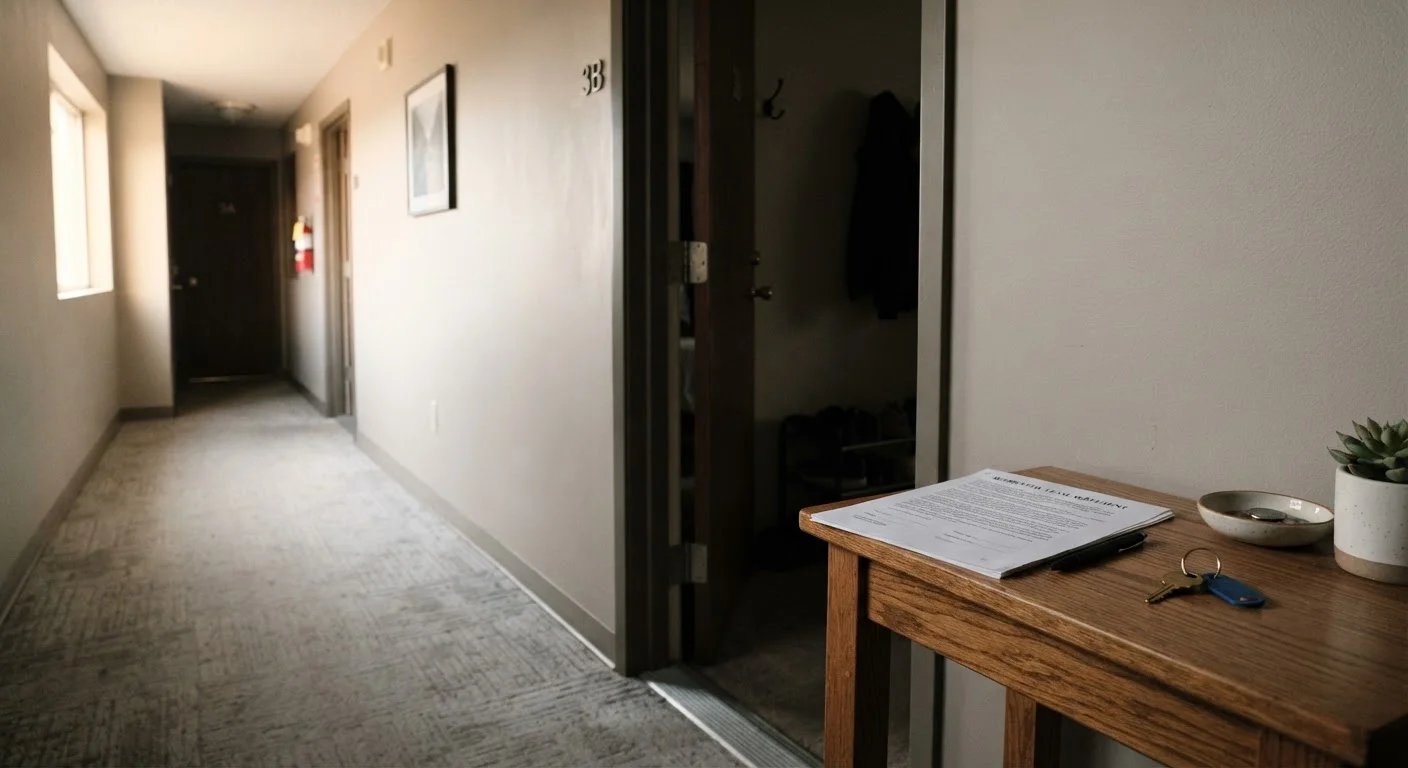
Photo: TrendingResults.net | Discover More, Trend More editorial
Key Takeaways
- Most leases require written landlord approval before any subletting arrangement can begin.
- Subletting without permission can lead to eviction and loss of your security deposit.
- Even with approval, the original tenant typically remains legally responsible for rent and damages.
- State and local tenant-protection laws may limit how a landlord can respond to a sublet request.
- A poorly screened subtenant can leave you financially exposed long after you've moved on.
What Lease Fine Print Typically Says About Subletting
Subletting - also called subleasing - means temporarily transferring your rental to another person (the subtenant) while your name remains on the original lease. It differs from an assignment, where you transfer all lease rights permanently to someone else. Most residential leases address both, though the rules vary considerably.
The three most common lease structures you'll encounter are: (1) an outright prohibition on subletting without landlord approval, (2) a conditional permission clause requiring written consent, or (3) complete silence on the topic. That last scenario is the trickiest - silence does not automatically mean permission. In most states, courts have interpreted ambiguous leases in favor of the landlord's control over who occupies the unit.
Before assuming anything, pull out your lease and look for terms like sublease, sublet, assignment, or occupants. These clauses often specify how far in advance you must notify the landlord, what documentation is required, and whether the landlord can reject a proposed subtenant based on standard screening criteria. For a broader picture of the rental process and what to watch for at every stage, see our start-to-finish rental overview.
~50%
Leases that prohibit subletting outright
Industry estimates suggest roughly half of standard residential leases either ban subletting entirely or require explicit landlord approval, according to general findings from tenant-advocacy research.
30+ states
States without statutory subletting protections
The majority of US states leave subletting rights entirely to the terms of the lease, with no statutory floor protecting tenants who wish to sublet, based on national tenant law surveys.
Common Mistakes Tenants Make When Subletting
Understanding what the lease says is only step one. Equally important is avoiding the procedural and practical errors that most commonly land tenants in legal or financial trouble. These mistakes tend to happen not because tenants are careless, but because subletting feels more informal than it is - especially when the arrangement involves someone you know personally.
Subletting without first reading the lease clause on subletting or assignment.
Proceeding without written landlord consent, even when verbal permission seems given.
Failing to screen the subtenant as carefully as the landlord screened the original applicant.
Setting a sublet price above what the original lease allows.
Neglecting to create a written sublease agreement with the subtenant.
Assuming state law automatically permits subletting regardless of what the lease says.
It's also worth noting that subletting disputes frequently overlap with security deposit conflicts. If your subtenant causes damage, the deduction could come out of your original deposit. The rules governing security deposit deductions are worth reviewing before you hand over a set of keys.
You Remain on the Hook
How to Make a Sublet Request the Right Way
If your lease permits subletting with landlord approval, approach the request professionally. Put it in writing - a brief letter or email works - and include the proposed subtenant's name, the duration of the sublet, your reason for subletting (temporary work relocation, family situation, etc.), and any supporting documents such as the subtenant's references or proof of income.
Landlords are generally entitled to review a proposed subtenant using the same standards applied to original applicants: credit history, rental history, income verification. What they typically cannot do - in states with anti-discrimination statutes - is reject a subtenant based on a protected characteristic such as race, national origin, familial status, or disability under the Fair Housing Act.
Verbal Approvals Are Not Enough
If your landlord denies a reasonable, well-documented request, check whether your state imposes a duty to respond within a specific timeframe or a requirement not to withhold consent unreasonably. Some states do; most do not. Tenants who are unsure whether a denial is lawful should contact their local housing authority or a tenant-rights clinic before escalating. Misreading a flat prohibition as an unreasonable refusal is itself a costly mistake - similar in kind to the renting myths that regularly trip up tenants.
If subletting ultimately isn't an option and you're considering ending the lease altogether, it's worth reviewing the consequences of breaking a lease early to understand your full range of options.
This article provides general informational and educational content about residential rental practices. It is not legal advice. Lease terms, landlord-tenant laws, and tenant protections vary significantly by state and locality. Consult a licensed attorney or qualified tenant-rights organization for guidance specific to your situation.
The content on this site is provided for informational purposes only and should not be considered a substitute for professional advice. While we strive to provide accurate and up-to-date information, we make no guarantees regarding its completeness or accuracy. Always consult a qualified professional for advice specific to your circumstances before making any decisions.