
Spring Listing vs. Fall Listing: Does Timing Really Affect Your Sale Price?

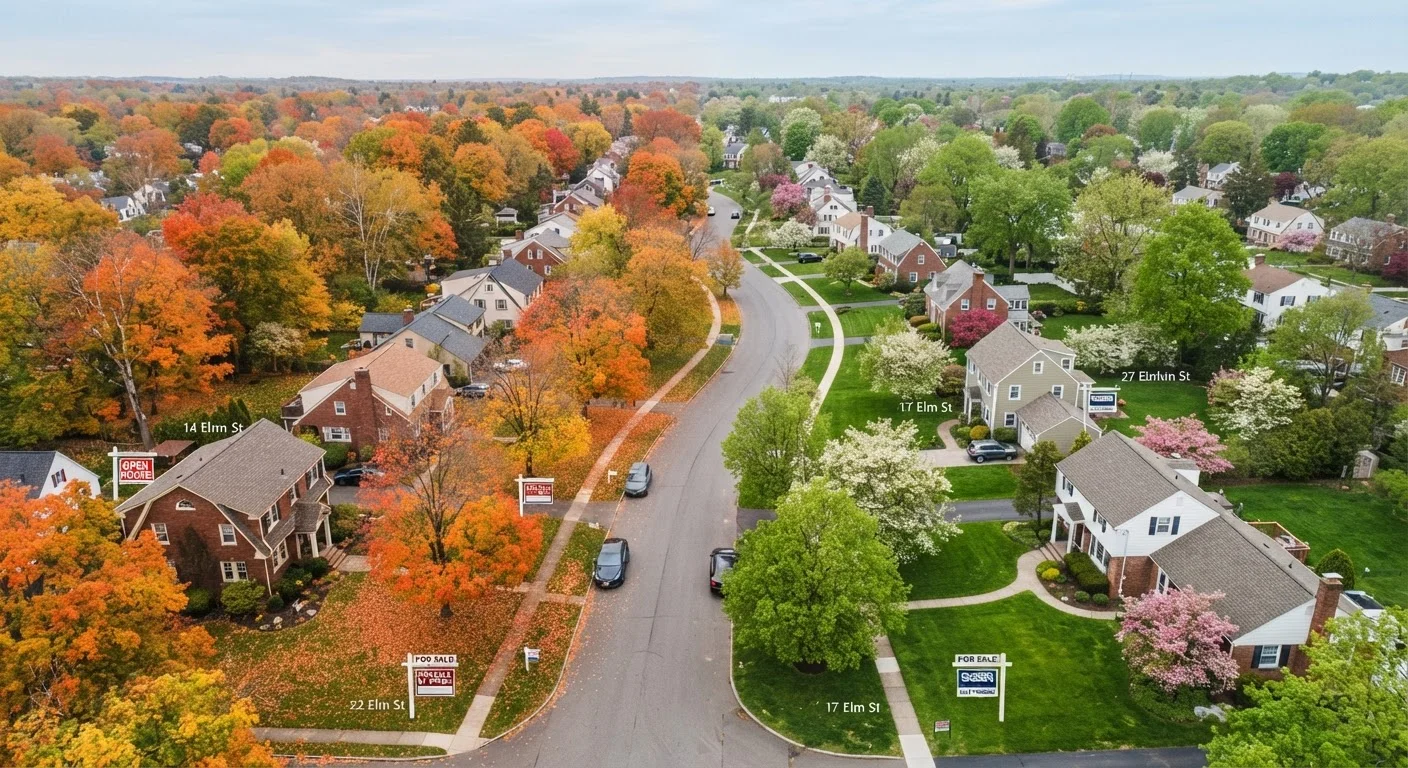
Photo: TrendingResults.net | Discover More, Trend More editorial
Key Takeaways
- Spring typically brings more buyers, but also more competing listings - which can offset pricing advantages.
- Fall buyers tend to be more motivated and transaction-ready, which can work in a seller's favor.
- NAR data consistently shows spring as the strongest season for median sale prices in most U.S. markets.
- Local market conditions, mortgage rates, and home condition often matter more than the calendar.
- Neither season guarantees a premium - pricing strategy and preparation remain the decisive factors.
What the Data Actually Shows About Seasonal Pricing
The short answer: yes, timing matters - but perhaps less dramatically than you might expect. According to data published by the National Association of Realtors (NAR), homes listed in spring (particularly April and May) have historically commanded slightly higher median sale prices and shorter days-on-market compared to fall listings in most U.S. metropolitan areas. The pattern is real, but the magnitude varies considerably by region, price tier, and current mortgage rate environment.
One key reason spring outperforms on price is simple supply-and-demand dynamics. More buyers enter the market between March and June, often motivated by school-year planning, tax refund cash, and longer daylight hours for house hunting. That increased competition can push offers above list price. However, spring also floods the market with competing sellers. In many neighborhoods, the number of active listings peaks in May, which can partially neutralize a seller's leverage.
Fall tells a different story. Buyer volume drops, but the buyers who remain tend to be highly motivated - often relocating for employment, under lease deadlines, or unable to wait for the next spring cycle. Inventory typically contracts in October and November, which means your listing competes against fewer alternatives. That scarcity can support pricing even without peak buyer traffic.
| Criterion | Spring Listing | Fall Listing |
|---|---|---|
| Buyer pool size | Largest of the year | Smaller but motivated |
| Competing inventory | High - peaks in May | Lower - contracts by October |
| Median sale price trend | Typically highest nationally | Slightly softer on average |
| Average days on market | Shorter in most markets | Moderate; varies by region |
| Buyer urgency | School-year and lifestyle driven | Job relocation and lease deadlines |
| Open house traffic | Higher; more casual browsers | Lower; more serious lookers |
| Risk of price reduction | Lower if priced correctly | Moderate if market slows further |
Why Local Market Conditions Outweigh the Calendar
National seasonal patterns are a useful baseline, but they can be misleading when applied to a specific zip code. Sun Belt markets such as Phoenix, Tampa, and Las Vegas experience more compressed seasonal variation than Midwest or Northeast markets, where winter weather genuinely suppresses activity. In high-demand urban cores, a well-priced listing in October can attract multiple offers just as readily as one listed in April.
Mortgage rates add another layer of complexity. When rates shift significantly - even mid-season - buyer behavior responds faster than the calendar does. A rate drop in September can trigger a surge of pre-approved buyers, effectively creating spring-like conditions in the fall. Conversely, a rate spike in April can dampen what would otherwise be a peak spring market. Sellers should track rate trends alongside seasonal patterns rather than treating the calendar as a fixed playbook.
~10%
Spring premium over winter median sale prices
ATTOM Data Solutions analysis of U.S. home sales has indicated sellers can achieve roughly 10% more in spring months compared to winter in many markets, though this varies significantly by location.
17 days
Median days on market for spring listings (nationally)
NAR's existing home sales reports have tracked spring listings closing faster than fall listings in most years, reflecting stronger buyer competition during peak season.
~15%
Drop in active listings from May to October
Inventory contraction in fall is a consistent seasonal pattern tracked by Realtor.com's market trend data, which can benefit fall sellers through reduced direct competition.
Home condition and pricing accuracy remain the variables most directly within a seller's control - and they consistently outperform timing as predictors of sale outcome. A home listed at a fair price with strong curb appeal in October will typically outperform an overpriced or under-prepared home listed in May. If you're weighing other pre-sale decisions alongside timing, see our comparison of selling as-is versus making repairs before listing for a structured look at that tradeoff.
Strategic Considerations for Each Season
Spring advantages: Higher foot traffic at open houses, school-deadline urgency among family buyers, and a perception of move-in readiness reinforced by landscaping and natural light. Homes with strong curb appeal gain a disproportionate edge when buyers are touring multiple properties in a single weekend. If multiple offers are a realistic outcome, spring is the more likely environment - and knowing how to navigate that scenario matters. Our guide on evaluating competing offers fairly walks through what sellers and agents consider when bids stack up.
Fall advantages: Fewer competing listings, buyers who have often been searching since spring and are ready to commit, and a cleaner transaction timeline that typically closes before the holiday slowdown. Fall sellers may also find that agents have more bandwidth to focus on individual listings, since spring's volume has subsided. If your negotiating position feels weaker in a slower market, understanding tools like seller concessions can help you structure an attractive offer without simply dropping the price.
Regardless of season, your choice of how to list - independently or with professional representation - shapes outcomes at least as much as timing. The for sale by owner versus listing with an agent comparison covers the practical tradeoffs of each approach.
This article is for general informational and educational purposes only. Market conditions vary significantly by location and time. Consult a licensed real estate professional for guidance tailored to your property and local market.
The content on this site is provided for informational purposes only and should not be considered a substitute for professional advice. While we strive to provide accurate and up-to-date information, we make no guarantees regarding its completeness or accuracy. Always consult a qualified professional for advice specific to your circumstances before making any decisions.