
What Home Staging Actually Does to Buyer Perception

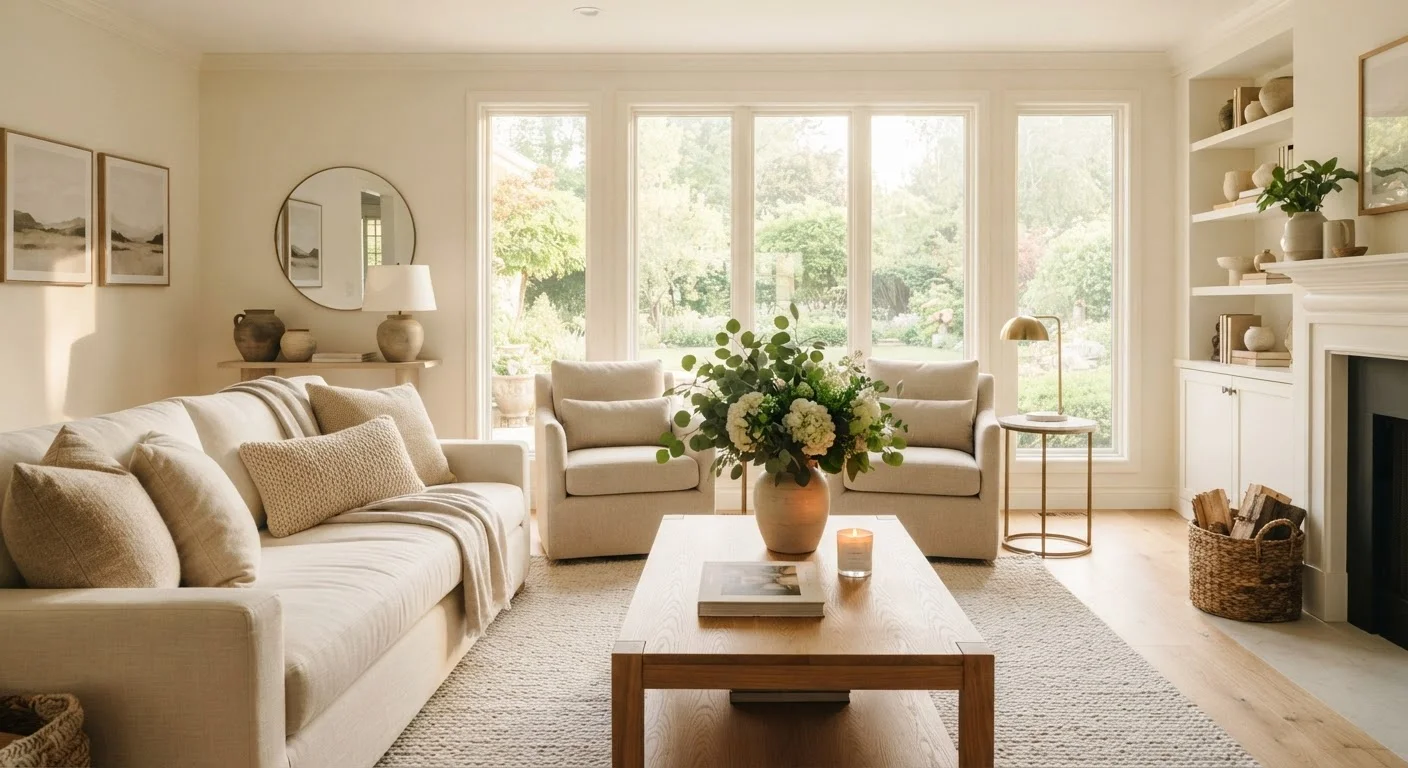
Photo: TrendingResults.net | Discover More, Trend More editorial
Key Takeaways
- Staging influences buyer perception by helping them emotionally connect with a property.
- Professional staging typically costs between $1,500 and $4,000 for an average home, though costs vary widely.
- Staged homes often sell faster than unstaged ones, though sale price lift varies by market and property type.
- Virtual staging is a lower-cost alternative for vacant properties primarily marketed online.
- Staging works best when combined with repairs, decluttering, and competitive pricing.
The Psychology Behind Staging
When a buyer walks into a home, they're not just evaluating square footage and finishes - they're deciding whether they can picture their life there. Staging directly targets that emotional response. A well-arranged space guides the eye, signals scale, and suggests possibility. A cluttered or bare room forces buyers to do mental work that most won't bother doing.
Research consistently shows that buyers form strong impressions within seconds of entering a space. Staging shapes those initial moments by controlling focal points, creating flow between rooms, and using neutral, broadly appealing decor. The result is a home that photographs better - critical because most buyers now screen properties online before scheduling a tour.
“Buyers are primarily driven by emotion. They need to be able to imagine their lives in a space - and staging removes the obstacles that prevent that imagination from taking hold.”
— Barb Schwarz, Founder of the International Association of Home Staging Professionals
What Staging Typically Involves
Staging ranges from a light consultation to a full-scale furniture rental. At minimum, it almost always includes deep cleaning, decluttering, and depersonalizing - removing family photos, collections, and items that remind buyers the home belongs to someone else. Beyond that, the scope depends on the property and budget.
- Occupied staging: A professional works with the seller's existing furniture, rearranging and editing pieces to improve flow and presentation.
- Vacant staging: Rented furniture is brought in to furnish an empty home. Empty properties tend to feel cold and smaller than they are, making this option common for vacant listings.
- Virtual staging: Digitally edited listing photos show furnished rooms without any physical setup, useful for online-first marketing of vacant homes.
- Consultation-only: A stager walks through the property and provides written recommendations the seller implements on their own.
Staging is often most impactful in the living room, primary bedroom, and entryway - the spaces buyers respond to most strongly during tours. For more on what preparation looks like across the full pre-sale process, see the pre-sale preparation checklist.
81%
Buyers' agents who say staging helps buyers visualize the property
According to the National Association of Realtors' Profile of Home Staging report, the vast majority of buyers' agents agree staging makes visualization easier for clients.
1-5%
Estimated sale price increase attributed to staging
NAR research has found that seller's agents most commonly estimate staging raises offers by one to five percent above list price, though results vary by property and market.
18 days
Typical difference in time on market for staged vs. unstaged homes
Industry surveys have suggested staged homes tend to sell faster than unstaged comparable properties, reducing carrying costs for sellers.
What It Costs - and How to Think About the Investment
Staging costs vary based on home size, location, whether furniture is rented, and how many rooms are addressed. A basic professional consultation might cost a few hundred dollars. Full staging with rented furnishings for an average-sized home commonly runs between $1,500 and $4,000, with higher-end or luxury properties costing considerably more.
Whether staging pencils out depends on your market and list price. In competitive markets where buyers have multiple options, staging can help a property stand out and sell faster - reducing carrying costs like mortgage payments, property taxes, and utilities that accumulate while a home sits. In a slower market or for a lower-priced property, the math may look different. Staging costs are one component of a broader set of selling expenses outlined in our article on the real costs of selling a home.
Prioritize Photos Over Perfect Rooms
When Staging Makes the Most Difference
Staging is not universally necessary. It tends to have the greatest impact when the property is vacant (empty rooms read smaller and colder in photos), when the home has an unusual layout buyers may struggle to interpret, or when competition in the local market is high and listing photos need to stand out.
Staging has less impact when a home has significant deferred maintenance or structural issues. Buyers who notice needed repairs tend to discount those problems regardless of how appealing the decor is. The decision to stage should be weighed alongside the decision about whether to make repairs first - a tradeoff explored in more depth in the article on selling as-is versus making repairs.
Staging is also most effective as part of a coordinated selling strategy - not a standalone fix. Competitive pricing, strong listing photos, and skilled negotiation all influence outcome. For context on where staging fits in the broader timeline, the full home-selling process walkthrough provides a useful reference.
Frequently Asked Questions
The content on this site is provided for informational purposes only and should not be considered a substitute for professional advice. While we strive to provide accurate and up-to-date information, we make no guarantees regarding its completeness or accuracy. Always consult a qualified professional for advice specific to your circumstances before making any decisions.