
Chicago in Four Distinct Trips: How the City Rewards Different Kinds of Travelers

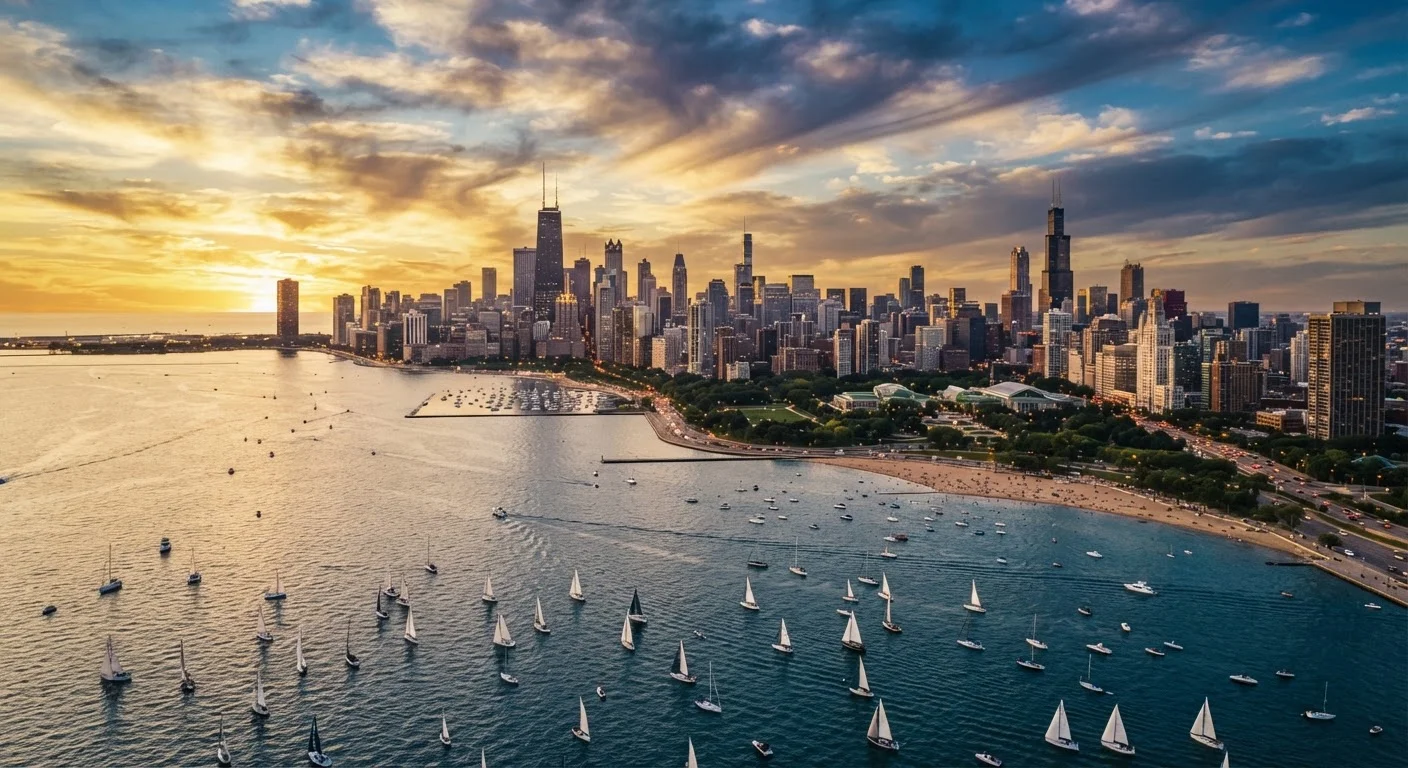
Photo: TrendingResults.net | Discover More, Trend More editorial
Key Takeaways
- Chicago's architecture, music scene, food culture, and outdoor spaces each attract genuinely different types of travelers.
- Planning your trip around your primary interest helps you avoid itinerary overload and get more out of each day.
- The city's transit system and walkable neighborhoods make it accessible without a rental car for most visit styles.
- Season matters significantly - outdoor and music trips favor summer, while architecture tours work well year-round.
- Lodging location should align with your trip type: River North for architecture buffs, South Side for music history fans.
Why Chicago Rewards Focused Trips
Chicago is one of America's most versatile cities, but that breadth can work against you if you try to absorb everything at once. The neighborhoods stretch across 77 distinct communities, the cultural calendar is relentless, and the food scene alone could occupy a week. Attempting to sample it all in a single trip often leaves travelers feeling rushed and underimpressed.
The smarter approach: know what kind of traveler you are before you book. Chicago genuinely rewards focus. An architecture enthusiast and a blues pilgrim will each find a rich, multi-day experience - but they'll spend almost no time in the same places. The four trip profiles below aren't exhaustive, but they represent the clearest cases where the city's depth fully pays off. Use them as a starting framework, then consult our guide on building a travel itinerary that actually works to shape realistic daily structure around whichever profile fits you.
The Architecture Trip
Chicago is arguably the birthplace of modern American architecture, and the city knows it. The Loop's skyline is essentially an open-air museum, with landmarks ranging from Louis Sullivan's ornate Carson Pirie Scott building to Mies van der Rohe's steel-and-glass towers on Lake Shore Drive. The Chicago Architecture Center on the Riverwalk offers walking tours, boat tours, and a scale model of the city that helps orient first-timers before they head out on foot.
Beyond downtown, Frank Lloyd Wright's former studio in Oak Park is a short train ride west and makes for a genuinely absorbing half-day. The South Side's Hyde Park neighborhood holds more Wright structures and the University of Chicago's Gothic campus. Architecture travelers generally don't need a car - the elevated train system and Riverwalk connect most major sites cleanly. Plan for at least three days to avoid rushing.
Chicago's skyline is essentially a living timeline of American architectural innovation.
The Music History Trip
Chicago's contribution to American music is enormous and undervisited. The city is where Mississippi Delta blues electrified and evolved into a distinct Chicago style, influencing rock, soul, and R&B globally. The Blues Heaven Foundation, housed in the former Chess Records building on South Michigan Avenue, anchors the music history route. Buddy Guy's Legends in the South Loop remains a working venue that also carries significant historical weight.
The South Side's Bronzeville neighborhood was central to the Great Migration and to the jazz and blues scenes of the mid-20th century. The Chicago Jazz Festival, held annually in Millennium Park each Labor Day weekend, draws serious enthusiasts. Music travelers benefit from planning their visit around live performance schedules rather than treating music venues as daytime sightseeing stops - the city's club scene is almost entirely nocturnal.
Delta blues didn't just pass through Chicago - it transformed here into something entirely new.
The Food Culture Trip
Chicago's food identity extends well beyond deep-dish pizza and Chicago-style hot dogs, though both are worth experiencing on their own terms. The city has one of the most diverse and serious restaurant cultures in the country, driven in part by its strong immigrant communities. Pilsen on the Lower West Side offers a dense concentration of Mexican restaurants, bakeries, and taquerias that reflect a living culinary tradition rather than a tourist-facing version of one.
Chinatown just south of downtown is similarly authentic and walkable. The Fulton Market district has become the city's most talked-about restaurant corridor, with a range of formats from counter service to tasting menus. Food travelers do best by picking two or three neighborhoods per day and eating in stages - large portions and long menus reward slow, deliberate grazing. Markets like the Green City Market in Lincoln Park (seasonal, typically spring through fall) connect visitors with local producers and give useful context for the restaurant scene.
Pilsen and Chinatown offer culinary depth that reflects community history, not just trend cycles.
The Outdoor and Lakefront Trip
Chicago's 26 miles of publicly accessible lakefront is one of the great urban outdoor assets in the United States. The Lakefront Trail connects beaches, parks, and harbors from Rogers Park in the north to South Shore in the south. Cyclists, runners, and walkers share the path, and on summer weekends the energy is genuinely festive. Montrose Beach and 57th Street Beach are less crowded than the famous Oak Street Beach near downtown and tend to attract more locals.
Lincoln Park, which runs along the North Side lakefront, contains a free zoo, a conservatory, nature areas, and multiple beaches - enough for a full day without leaving the park's boundaries. Kayaking and paddleboarding rentals are available at several points along the lakefront in summer. This trip type is highly seasonal: late May through early September is the window when outdoor Chicago is operating at full capacity. Shoulder season visitors in April or October will still find the trails usable but should expect limited amenity access and unpredictable weather.
Twenty-six miles of free public lakefront is Chicago's most underrated asset for outdoor travelers.
Before You Commit to the Trip
Once you've identified your trip type, a few practical decisions become much easier. Neighborhood choice for lodging is one of them - staying close to your core interest cuts commute time and keeps energy high. Our breakdown of lodging tradeoffs across accommodation types is worth reading before you finalize anything, especially if you're weighing a vacation rental in a residential neighborhood against a hotel near downtown.
If you're comparing Chicago against other major domestic cities, note that it tends to feel more navigable at street level than New York - a useful contrast explored in our guide to visiting New York City without feeling overwhelmed. And if you're coordinating with a group whose interests don't fully align, group travel planning strategies can help you structure shared days without sacrificing what each person actually came to see.
Match Your Visit to the Season
The content on this site is provided for informational purposes only and should not be considered a substitute for professional advice. While we strive to provide accurate and up-to-date information, we make no guarantees regarding its completeness or accuracy. Always consult a qualified professional for advice specific to your circumstances before making any decisions.