
Florida's Gulf Coast and Atlantic Coast: Understanding the Differences Before You Book

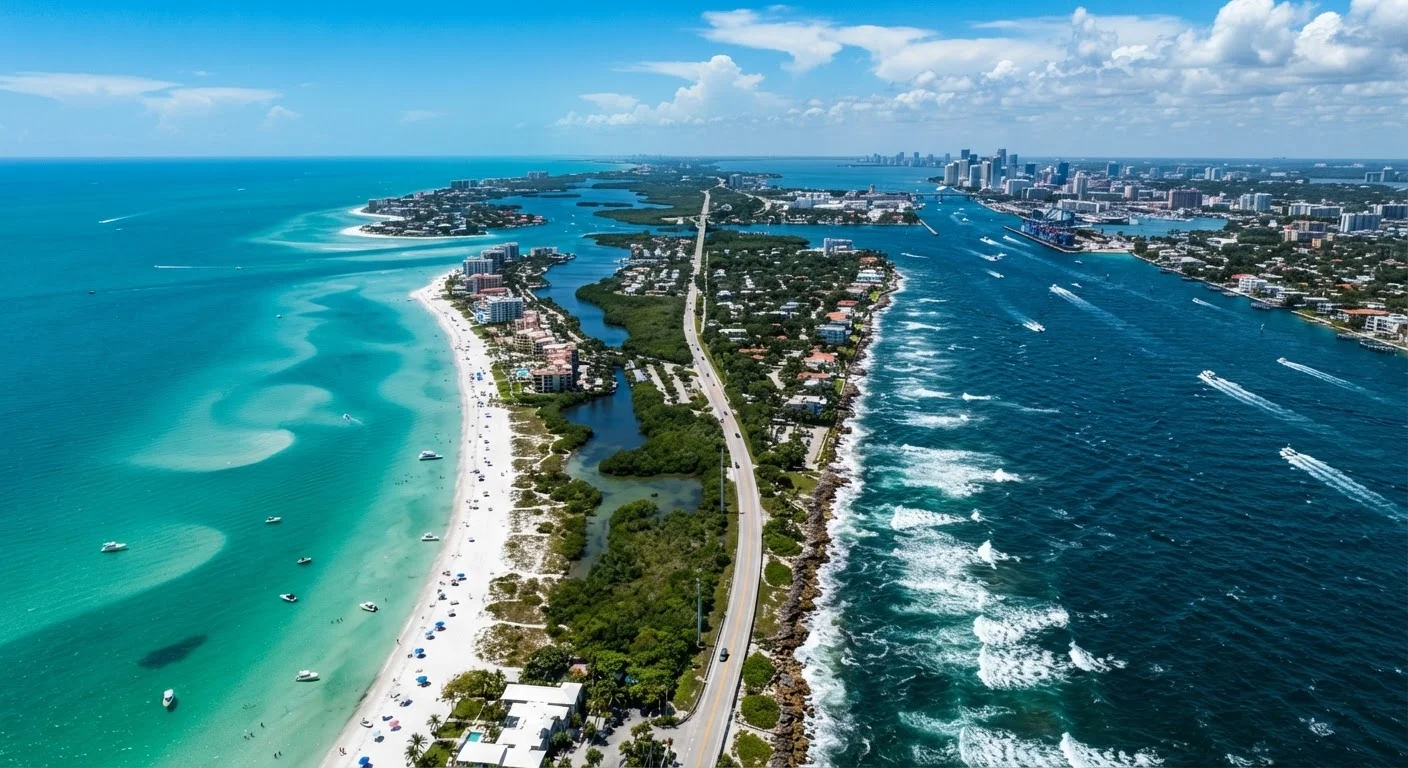
Photo: TrendingResults.net | Discover More, Trend More editorial
Key Takeaways
- The Gulf Coast generally has calmer, warmer water and powdery white sand, making it ideal for families and waders.
- The Atlantic Coast tends to have stronger waves and cooler water, better suited for surfing and active beachgoers.
- Water temperatures, crowd levels, and nearby town vibes differ significantly between the two coasts.
- Hurricane season affects both coasts, but storm patterns and timing can vary by region.
- Your ideal coastline depends on your activities, travel dates, and the atmosphere you're after.
Water: Calm vs. Active
The single biggest difference between Florida's two coasts comes down to the water itself. The Gulf of Mexico is a semi-enclosed body of water, which means its waves are typically shorter, gentler, and far less forceful than what you'll find on the open Atlantic. For anyone planning to wade in with kids or simply float around without getting knocked over, Gulf water feels almost pool-like on calm days.
The Atlantic, open to oceanic swells, produces more consistent wave action. Water temperatures also diverge: the Gulf generally runs warmer - sometimes a few degrees more - especially in summer, when shallow Gulf waters heat up quickly. The Atlantic tends to stay cooler, particularly north of Miami, and can feel refreshingly brisk even in peak season.
| Gulf Coast | Atlantic Coast | |
|---|---|---|
| Wave Activity | Calm, gentle waves | Stronger, more consistent waves |
| Water Temperature | Generally warmer | Slightly cooler, varies by latitude |
| Sand Type | Fine, powdery, white quartz | Coarser, darker, more varied |
| Best Sunrise/Sunset | Spectacular sunsets over water | Stunning sunrises over water |
| Atmosphere | Quieter, resort and family-oriented | More urban to surf-town range |
| Best For | Families, waders, relaxation | Surfers, city access, active travelers |
Sand, Scenery, and Beach Character
Gulf Coast sand - particularly around areas like the Panhandle - is famously fine and brilliantly white, the result of quartz crystal washed down from the Appalachian Mountains over millennia. It stays relatively cool underfoot even on hot days, which is a small but genuinely pleasant detail. Sunsets over the Gulf are spectacular because the sun sets over the water on the west-facing shoreline.
Atlantic beaches tend to have coarser, darker sand with a more rugged feel. The waves sculpt the shore constantly, and you'll often find sea glass, shells, and other interesting finds washed up. Sunrise over the Atlantic is the show here - watching the sun emerge from the ocean in the early morning is a worthy alarm-clock reason on its own.
Check Jellyfish and Seagrass Conditions
Towns, Culture, and Atmosphere
The communities flanking each coast have developed distinct personalities over time. Gulf Coast towns like Naples, Sanibel, and Destin tend to be quieter, more resort-oriented, and family-friendly. The pace is slower, the seafood is excellent, and the commercial sprawl is generally less intense - though that varies significantly by area.
The Atlantic side is home to a broader range of energy levels. South Florida's Atlantic coast encompasses Miami Beach and Fort Lauderdale, which are genuinely urban and vibrant. Head north and you'll find the Space Coast, Daytona Beach, and St. Augustine - each offering its own distinct flavor, from space tourism history to America's oldest city. If proximity to museums, nightlife, or major airports matters to your trip, the Atlantic coast often has an edge.
Practical Considerations: Weather, Crowds, and Timing
Both coasts share Florida's subtropical climate and are subject to hurricane season, which runs roughly June through November. However, storm tracks vary - Gulf Coast communities have faced significant hurricane landfalls historically, while the Atlantic side has its own vulnerabilities. Always monitor official weather sources and your accommodations' cancellation policies before booking during shoulder or storm season.
Crowd patterns differ too. South Florida's Atlantic coast tends to draw spring breakers and winter snowbirds in large numbers. The Gulf Panhandle gets extremely busy in summer, particularly with families from the Southeast. Traveling in late spring or early fall - outside peak summer and spring break windows - can mean meaningfully thinner crowds on either coast, though weather unpredictability increases. Check seasonal patterns for your specific destination, not just Florida broadly.
This article is for general travel information purposes only. Conditions, pricing, and local factors change frequently - always verify entry requirements, weather advisories, and travel conditions through official government and local sources before booking.
The content on this site is provided for informational purposes only and should not be considered a substitute for professional advice. While we strive to provide accurate and up-to-date information, we make no guarantees regarding its completeness or accuracy. Always consult a qualified professional for advice specific to your circumstances before making any decisions.