
New Orleans Beyond Bourbon Street: The Neighborhoods That Define the City

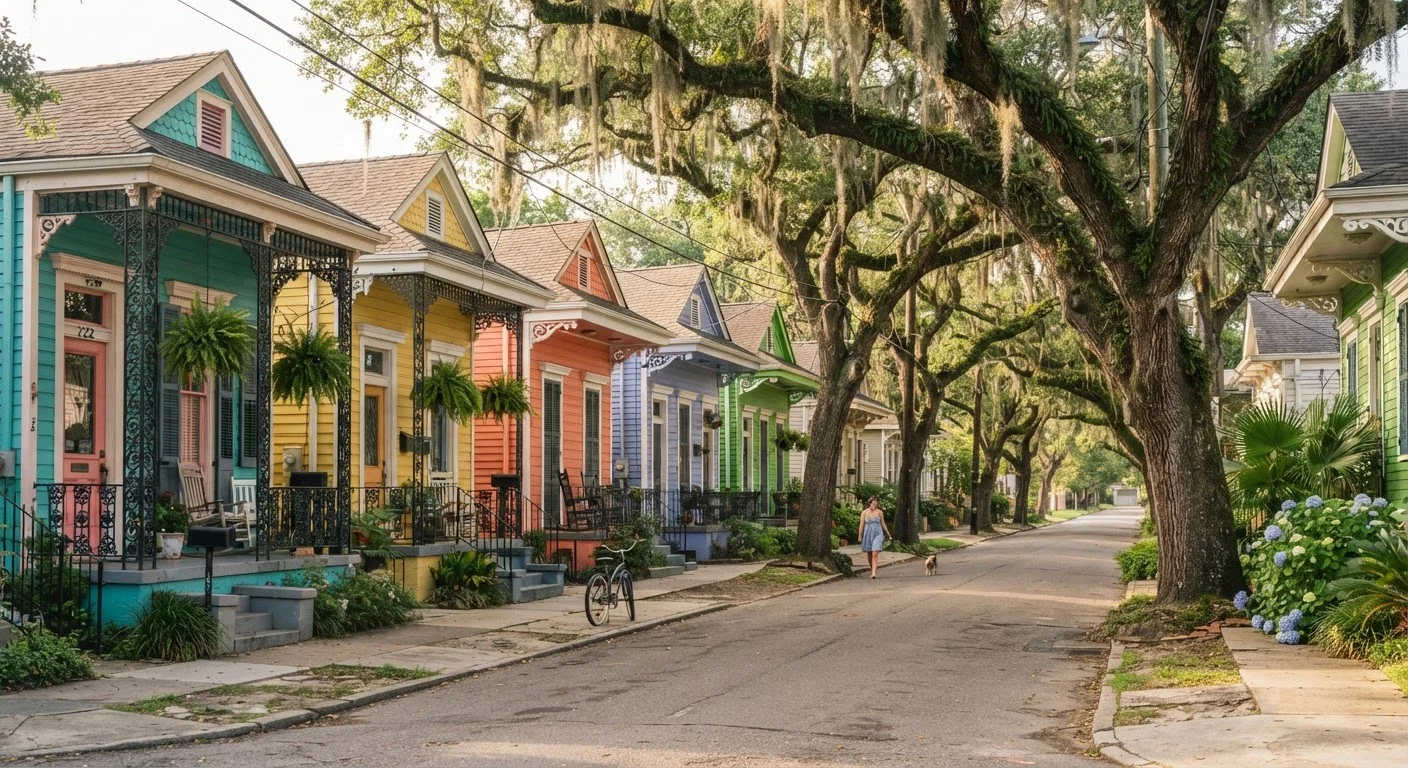
Photo: TrendingResults.net | Discover More, Trend More editorial
Why Bourbon Street Is Only the Beginning
First-time visitors to New Orleans often anchor their entire trip to the French Quarter - and understandably so. But Bourbon Street's neon glow and souvenir shops represent only a sliver of what makes this city genuinely extraordinary. New Orleans is a collection of distinct neighborhoods, each with its own architecture, culture, food traditions, and rhythms. Understanding those neighborhoods before you book helps you choose where to stay, what to prioritize, and how much time to realistically plan.
Think of New Orleans the way you might think of any layered American city - like how first-time visitors to NYC benefit from knowing the difference between Midtown and Brooklyn before they arrive. (See our practical orientation for first-time NYC visitors for a similar approach.) The same principle applies here, just with second-line parades and crawfish instead of subway maps and bagels.
| City Location | Southeastern Louisiana, along the Mississippi River |
| Neighborhoods Covered | Tremé, Bywater, Mid-City, Garden District, Uptown |
| Best Seasons to Visit | Spring (March-May) and Fall (October-November) (General climate guidance; verify current conditions before travel) |
| Primary Transit Options | Streetcar (St. Charles line), city buses, ride-share apps |
| Recommended Trip Length | 3-5 days for multi-neighborhood exploration |
| City Park Size | Approximately 1,300 acres (City Park New Orleans) |
A Neighborhood-by-Neighborhood Breakdown
Here's what travelers can realistically expect from New Orleans' most visited and most rewarding areas:
Tremé
Widely recognized as one of the oldest African American neighborhoods in the country, Tremé sits just north of the French Quarter. Its contribution to jazz, brass band music, and Mardi Gras Indian culture is foundational - not decorative. Visitors who wander here often encounter live music spilling out of corner bars on weekday afternoons. The area is walkable from the Quarter but feels meaningfully different in pace and character.
Bywater
Bywater has evolved into one of the city's most creatively energetic neighborhoods. You'll find local art galleries, community-oriented restaurants, and a concentration of the city's smaller live music venues. It's a good area for travelers who want to explore on foot or by bicycle without the Quarter's tourist density. Architecture here - rows of Creole cottages and shotgun doubles - is worth a slow walk even without a specific destination.
Mid-City
Mid-City offers the most everyday New Orleans experience of any neighborhood on this list. City Park, one of the largest urban parks in the country, anchors the area and provides a welcome green counterpoint to the city's dense streets. The neighborhood's food scene reflects genuine local eating habits rather than tourist-facing menus.
Garden District
Across St. Charles Avenue from Uptown, the Garden District is defined by its antebellum mansions, oak-canopied streets, and a slower, residential atmosphere. The streetcar line running along St. Charles remains one of the most pleasant ways to move between neighborhoods. Magazine Street, which runs parallel, offers a walkable stretch of local shops, cafés, and galleries.
Uptown
Uptown is largely a residential neighborhood that rewards those who venture beyond its main corridors. Tulane and Loyola universities give it a lively edge, and the area has a strong concentration of casual neighborhood restaurants and bars that feel genuinely rooted rather than curated for visitors.
Shotgun House
A narrow, single-story home style common throughout New Orleans, where rooms are arranged in a straight line from front to back. The name refers to the idea that a shot fired through the front door would pass through every room and out the back.
Tremé
A historic neighborhood bordering the French Quarter, recognized as one of the oldest African American communities in the United States and a foundational birthplace of jazz and brass band culture.
Second Line
A New Orleans parade tradition rooted in African American community celebrations, featuring a brass band and a 'second line' of followers who dance and wave handkerchiefs or parasols through the streets.
Creole Cottage
A vernacular architectural style common in older New Orleans neighborhoods, characterized by a low-pitched hip roof, no front porch, and rooms arranged in a simple rectangular plan.
Mardi Gras Indians
African American social and cultural groups in New Orleans that craft elaborate handmade costumes and parade through neighborhoods on Mardi Gras and other occasions, honoring a tradition tied to solidarity with Native American communities.
Planning Your Visit Around Neighborhoods
Choosing a home base matters. Staying in or near the French Quarter maximizes walkability to historic landmarks but can feel loud and expensive. Bywater and the Marigny (just downriver from the Quarter) offer quieter, often more affordable lodging with easy access to live music. Mid-City suits travelers who want a slower pace and access to City Park.
A few practical notes: public transit in New Orleans - primarily buses and the St. Charles streetcar - connects most neighborhoods, but service frequency varies. Having a ride-share app as a backup is useful, especially late at night. Weather is a significant planning factor; summers are hot and humid, and the city sits in a hurricane-prone zone, so fall and spring visits tend to be more comfortable for most travelers.
No single neighborhood tells the whole story of New Orleans. Budget at least three to four days if you want to move beyond the Quarter with any depth - and be open to getting a little lost.
The content on this site is provided for informational purposes only and should not be considered a substitute for professional advice. While we strive to provide accurate and up-to-date information, we make no guarantees regarding its completeness or accuracy. Always consult a qualified professional for advice specific to your circumstances before making any decisions.