
Pre-Purchase Inspection: What a Mechanic Checks and Why It's Worth It

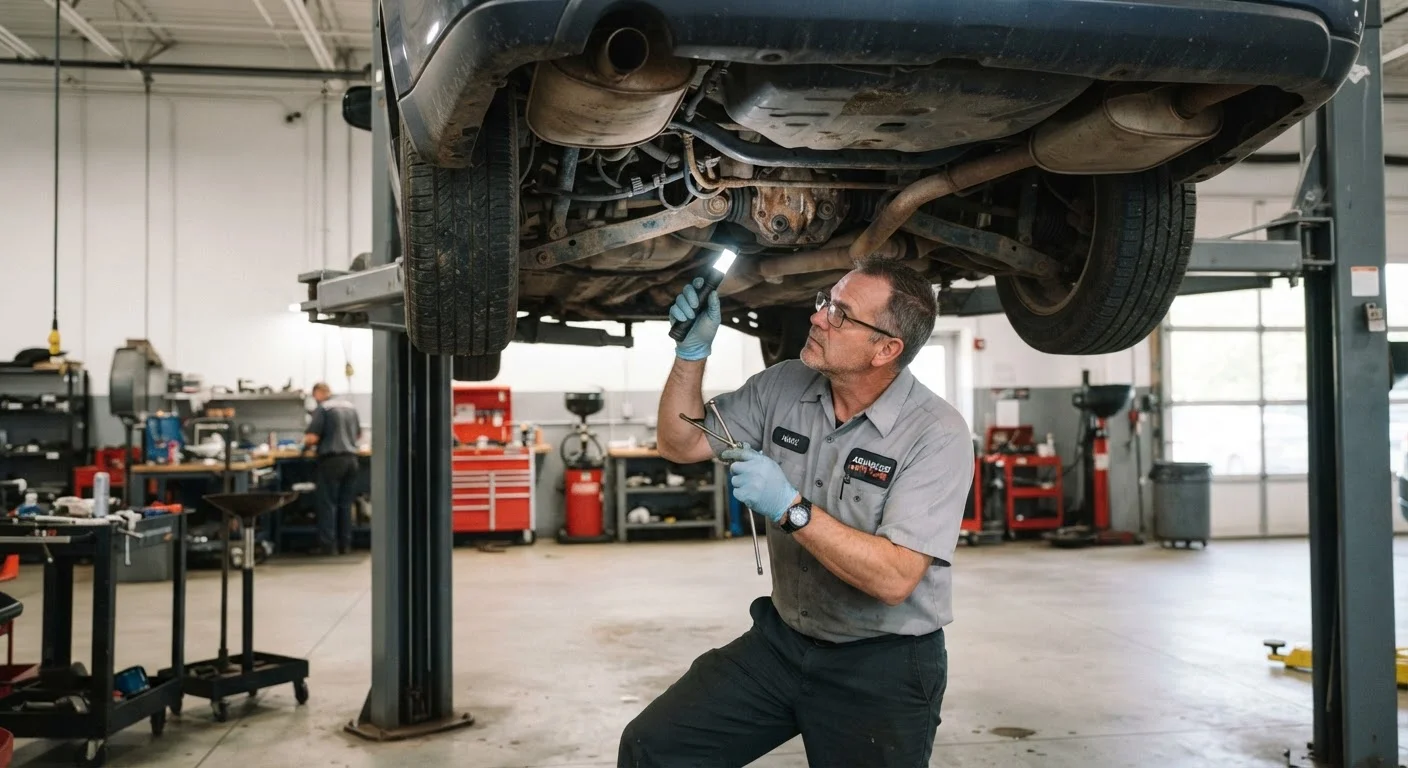
Photo: TrendingResults.net | Discover More, Trend More editorial
Key Takeaways
- A PPI is an independent inspection by a mechanic you hire - not the seller's mechanic.
- Inspections typically cost $100-$200, far less than a surprise repair bill after purchase.
- Mechanics check the engine, brakes, suspension, transmission, fluids, tires, and body condition.
- PPI findings can be used to negotiate the price down or walk away from a bad deal.
- Even certified pre-owned vehicles can benefit from an independent third-party inspection.
Why an Independent Inspection Matters
Buying a used car is one of the larger financial decisions most people make, and the stakes are high enough that an extra $100-$200 in due diligence is almost always money well spent. A pre-purchase inspection puts an expert on your side - someone whose only job is to tell you the truth about the car's condition, with no financial interest in whether the sale happens.
Sellers are not always dishonest, but they may not know every problem with their vehicle. A trained mechanic can spot issues that aren't visible to the eye or audible on a test drive: a cracked frame rail, a weeping transmission seal, brake pads worn to metal. These aren't minor inconveniences - they're the kind of repairs that can run into the thousands of dollars.
Before scheduling a PPI, it's also worth pulling a vehicle history report. As explained in our guide to reading a vehicle history report, documented accidents, title issues, or odometer discrepancies can tell you whether a car is even worth inspecting in the first place.
PPI vs. Vehicle History Report: Know the Difference
What a Mechanic Typically Examines
While no two inspections are identical, a thorough PPI at a reputable independent shop generally covers the following areas:
- Engine and drivetrain: The mechanic checks for oil leaks, unusual wear patterns, signs of overheating, and any evidence of major repairs or replacement parts that weren't disclosed.
- Transmission: Fluid condition, shifting behavior during a test drive, and signs of slippage or hesitation.
- Brakes: Pad and rotor thickness, brake line condition, and whether the system performs evenly.
- Suspension and steering: Worn bushings, ball joints, tie rods, and shock absorbers - all of which affect ride quality and, critically, safety.
- Tires: Tread depth, uneven wear patterns (which can indicate alignment or suspension problems), and sidewall condition.
- Fluid levels and condition: Engine oil, coolant, brake fluid, power steering fluid, and transmission fluid are checked for both level and quality.
- Undercarriage: Frame integrity, rust, and any signs of prior collision damage that may have been repaired cosmetically but not structurally.
- Electrical systems: Lights, windows, HVAC, and any dashboard warning lights that may be active or recently cleared.
- Body and paint: Panel gaps, paint overspray, and body filler - indicators of past accident repairs not captured in a history report.
Many mechanics will also connect a diagnostic scanner to read any stored fault codes from the vehicle's onboard computer, even if no warning lights are currently illuminated.
$100-$200
Typical cost of a pre-purchase inspection
Industry estimates from automotive consumer advocacy sources place the average PPI fee well below the cost of a single major unexpected repair.
~40%
Used cars with undisclosed mechanical issues
Consumer automotive research has consistently found that a significant portion of used vehicles have issues not mentioned by the seller or visible in a history report.
$1,000+
Average cost of a major surprise repair
Common post-purchase surprises - including transmission, suspension, or engine work - frequently run into four figures at independent repair shops.
How to Arrange a PPI
The process is straightforward. Once you've identified a vehicle you're seriously considering, ask the seller if you can take it to an independent mechanic for inspection. A reasonable seller will agree - it's a normal part of used car transactions.
Choose a mechanic you trust or one with strong community reviews, ideally one who specializes in or has experience with the make and model you're considering. If the car is at a dealership far from home, some inspection services will travel to the vehicle, and some dealers have arrangements with nearby independent shops for third-party inspections.
Plan for the inspection to take one to two hours. Be present if you can - a good mechanic will walk you through what they find and explain which issues are urgent, which are routine maintenance, and which are deal-breakers. Ask for a written report you can keep.
For an overview of what kinds of repairs genuinely require professional attention versus what you might handle yourself later, see our guide on DIY car maintenance vs. taking it to a mechanic.
Using the Findings to Your Advantage
A PPI report isn't just a pass/fail verdict - it's a negotiating tool. If the mechanic identifies $800 in near-term brake and tire work, that's a documented, quantified reason to ask the seller for a price reduction. Most sellers would rather negotiate than lose a buyer entirely.
If the findings are severe - a salvage-title car that was rebuilt with structural damage, an engine showing signs of imminent failure, a transmission that's slipping - you have every reason to walk away. No deal is worth inheriting someone else's expensive problem.
If the car checks out well, the report gives you confidence going into the purchase and a useful baseline for future maintenance. You'll know exactly what the car needed at the time of purchase and can track its upkeep from there. Our guide to recognizing urgent vs. non-urgent mechanic visits can help you prioritize any findings that don't require immediate action.
Ask for a Written Report - Always
Frequently Asked Questions
The content on this site is provided for informational purposes only and should not be considered a substitute for professional advice. While we strive to provide accurate and up-to-date information, we make no guarantees regarding its completeness or accuracy. Always consult a qualified professional for advice specific to your circumstances before making any decisions.