
Trade-In Timing: What to Know Before Handing Over Your Keys

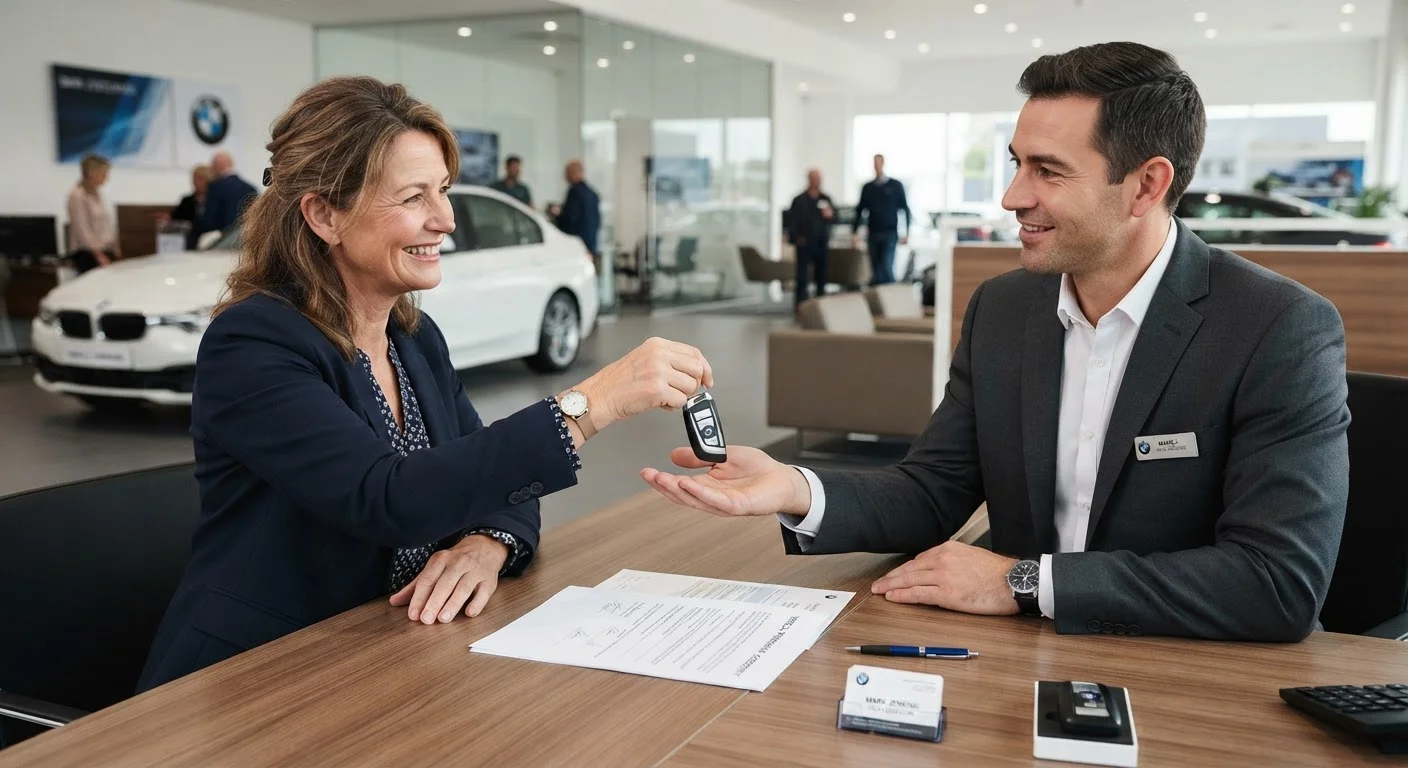
Photo: TrendingResults.net | Discover More, Trend More editorial
Key Takeaways
- Get an independent trade-in appraisal before visiting any dealership to know your vehicle's baseline value.
- Separating the trade-in negotiation from the new vehicle purchase gives you more control over each transaction.
- Dealers can legally use trade-in variables to offset gains made elsewhere in a bundled deal.
- Vehicle condition, mileage, and regional demand all influence the offer you'll receive.
- Private-party sales typically yield more money but require more time, paperwork, and legal responsibility.
Why Trade-In Timing and Sequencing Matter
Trading in a vehicle while simultaneously buying a new one feels convenient - and it is. But convenience has a cost when it gives the dealership more variables to manage on your behalf. When price, trade-in value, financing rate, and monthly payment are all negotiated together, it becomes difficult to know whether any single number is actually working in your favor.
Understanding how trade-ins fit into the broader deal structure is the first step toward a better outcome. The goal isn't to treat dealers as adversaries - it's to make sure you're evaluating each component of the deal on its own merits before agreeing to a package.
“The single biggest mistake car buyers make is treating the trade-in as part of the same negotiation as the purchase. Each transaction has its own market value - and conflating them makes it nearly impossible to evaluate either one clearly.”
— Philip Reed, Former Senior Consumer Advice Editor, automotive consumer publishing
Know Your Vehicle's Value Before You Walk In
One of the most important things you can do before visiting a dealership is establish an independent baseline for your trade-in. Several automotive valuation tools allow you to enter your vehicle's year, make, model, mileage, and condition to generate a market-range estimate. These figures represent what similar vehicles are actually selling for - both dealer-to-consumer and private-party - in your region.
Dealers typically offer trade-in values closer to wholesale or auction prices, since they need margin to recondition and resell the vehicle. That's not inherently unfair, but knowing the gap between wholesale and retail helps you evaluate any offer you receive with realistic expectations.
~$6,000
Typical gap between trade-in and private-sale value
Industry estimates suggest private-party sales can yield several thousand dollars more than dealer trade-in offers, though the difference varies widely by vehicle type and market conditions.
Nearly 1 in 3
New car buyers who carry negative equity into next purchase
According to data from automotive market analysts, a significant share of new vehicle transactions involve rolling over an existing loan balance from the previous vehicle.
Also review your current loan payoff amount if you're still financing the vehicle. If your payoff balance exceeds the trade-in offer, you have "negative equity" - sometimes called being "upside down" on the loan. That difference doesn't disappear; it's usually rolled into the new loan, which affects your financing terms going forward.
Best Practices for Structuring the Conversation
The sequence in which you negotiate matters as much as the numbers themselves. These practices help you stay in control of each stage of the deal.
Negotiate the trade-in and new vehicle purchase as separate transactions when possible.
Collect written appraisals from at least two sources before accepting any offer.
Address minor maintenance and presentation issues before the appraisal appointment.
Know your payoff balance and calculate your equity position before any negotiation.
Verify that your vehicle's title is clean and in hand before the appointment.
Preparation Steps You Can Take Today
A few practical actions before you visit a dealership can meaningfully strengthen your position and reduce surprises at the table.
If you're also evaluating whether to sell privately rather than trade in, consider the tradeoffs carefully. Private-party transactions often yield a higher sale price but require you to handle title transfer, meet buyers, and accept more personal liability. A trade-in, by contrast, simplifies the process - the question is whether that simplicity is worth the difference in value to you.
Once you've completed the trade-in negotiation, you'll likely move into financing discussions. Understanding how dealer financing compares to your own bank before you sit down can help you evaluate any rate you're offered rather than accepting it at face value. And when you reach the finance office, knowing what to expect there - including add-on products - is equally important. See our overview of how the F&I office works to go in prepared.
This article is for general informational purposes only. Specific trade-in values, financing terms, and deal structures vary by region, vehicle, and dealership. Consult with a licensed financial professional for advice tailored to your situation.
The content on this site is provided for informational purposes only and should not be considered a substitute for professional advice. While we strive to provide accurate and up-to-date information, we make no guarantees regarding its completeness or accuracy. Always consult a qualified professional for advice specific to your circumstances before making any decisions.