
Buying from a Private Seller: The Advantages and Real Risks

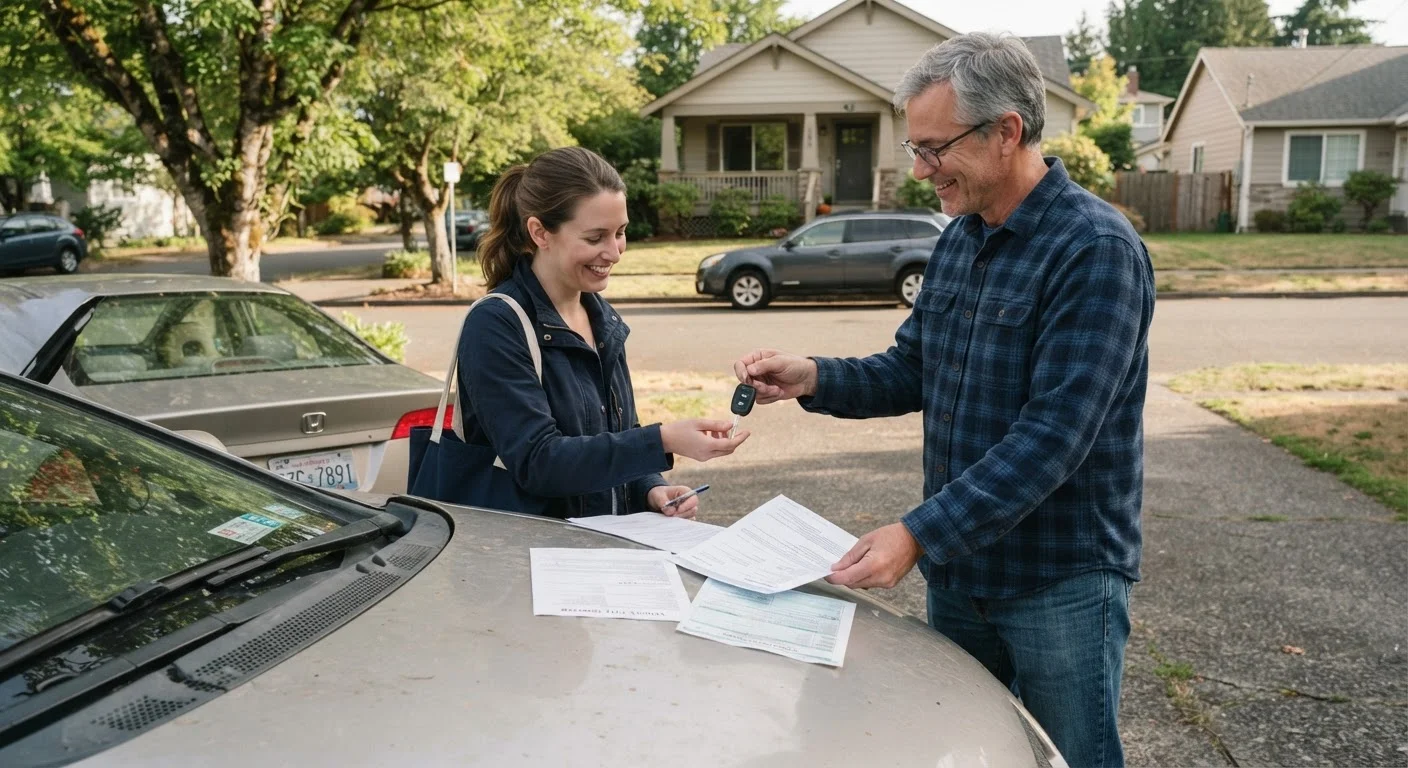
Photo: TrendingResults.net | Discover More, Trend More editorial
Key Takeaways
- Private sellers typically price vehicles lower than dealerships because they have no overhead costs to recover.
- Buying privately means no dealer warranties, no lemon-law protections in most states, and no financing assistance.
- A pre-purchase inspection by an independent mechanic is one of the most important steps you can take.
- Verifying the title is clean and free of liens is essential before any money changes hands.
- Negotiation dynamics differ - private sellers are often more flexible but also less predictable than dealers.
Lower purchase price without dealership overhead
Private sellers don't need to recover reconditioning, floor plan, or staffing costs, so asking prices are often noticeably lower than equivalent vehicles on a dealer lot.
More direct negotiation with the actual owner
You can ask the owner specific questions about maintenance history, driving habits, and known issues - information a dealer's sales staff often can't provide firsthand.
No dealership add-ons or pressure to upsell
Private sales skip the finance office entirely, meaning no extended warranty pitches, dealer-installed accessories, or documentation fees layered onto the price.
Broader vehicle selection across all price ranges
Private listings - across classified sites and local platforms - expose buyers to a wider variety of makes, models, ages, and configurations than any single dealership inventory.
Seller motivation can favor the buyer
Private sellers often have a genuine reason to move the vehicle quickly - relocation, job change, or upgrading - which can create real flexibility on price or terms.
Sold as-is with no warranty protection
In most states, private-party sales carry no implied warranty. If a mechanical problem appears the day after purchase, the buyer has little or no legal recourse.
No financing assistance from the seller
Private sellers typically expect immediate payment in full. Buyers who need a loan must secure it independently before the transaction, which requires additional lead time.
Title and lien verification is the buyer's responsibility
Unlike a licensed dealer, a private seller has no legal obligation to guarantee a clean title transfer. An undisclosed lien can leave the buyer in a legally complicated position.
No professional reconditioning or inspection on file
Dealerships typically put used cars through at least a basic inspection before sale. Private sellers may not have recent service records or any documented mechanical review.
Scams and misrepresentation are a real risk
Private listings attract a small but meaningful number of fraudulent postings - including vehicles with rolled-back odometers, washed titles, or outright stolen cars. Vigilance is essential.
Transfer paperwork falls to both parties
Without a dealership handling title transfer and registration, both buyer and seller must understand and correctly complete their state's DMV requirements to avoid problems.
Why Private Sales Attract Buyers
The appeal of buying a car from a private seller is straightforward: you're dealing directly with the person who owned and drove the vehicle, often without the layers of markup and fees that come with dealership transactions. For many buyers, that translates to a meaningfully lower purchase price on an equivalent vehicle.
Private sellers don't carry the overhead of a showroom, sales staff, or reconditioning department. They're typically motivated to sell efficiently, which can work in a buyer's favor - especially if the seller needs to move the car quickly. Understanding this context helps you approach the negotiation with realistic expectations on both sides.
That said, lower price alone shouldn't drive the decision. The trade-offs between new and used vehicles are already significant; buying used from a private party adds another layer of complexity that requires careful preparation.
Lower purchase price without dealership overhead
Private sellers don't need to recover reconditioning, floor plan, or staffing costs, so asking prices are often noticeably lower than equivalent vehicles on a dealer lot.
More direct negotiation with the actual owner
You can ask the owner specific questions about maintenance history, driving habits, and known issues - information a dealer's sales staff often can't provide firsthand.
No dealership add-ons or pressure to upsell
Private sales skip the finance office entirely, meaning no extended warranty pitches, dealer-installed accessories, or documentation fees layered onto the price.
Broader vehicle selection across all price ranges
Private listings - across classified sites and local platforms - expose buyers to a wider variety of makes, models, ages, and configurations than any single dealership inventory.
Seller motivation can favor the buyer
Private sellers often have a genuine reason to move the vehicle quickly - relocation, job change, or upgrading - which can create real flexibility on price or terms.
The Real Risks You're Taking On
The single biggest risk in a private-party purchase is the absence of consumer protections. Dealerships - depending on the state - are subject to licensing regulations, disclosure requirements, and sometimes implied warranty obligations. A private seller, in most cases, sells the vehicle as-is, with no legal obligation to disclose every known defect and no recourse for the buyer after the sale closes.
There's also the matter of financing. Most private sellers expect cash or a cashier's check, and they won't offer in-house financing. If you need a loan, you'll need to arrange it beforehand through your own bank or credit union. Understanding how that process differs from dealership financing is worth reading up on - see how dealer and bank financing compare before you shop.
Title and lien issues are another serious concern. Some vehicles are sold while an outstanding loan balance remains, meaning the lender still holds the title. Buying such a vehicle without verifying lien status first can leave you with a car you don't legally own free and clear.
Sold as-is with no warranty protection
In most states, private-party sales carry no implied warranty. If a mechanical problem appears the day after purchase, the buyer has little or no legal recourse.
No financing assistance from the seller
Private sellers typically expect immediate payment in full. Buyers who need a loan must secure it independently before the transaction, which requires additional lead time.
Title and lien verification is the buyer's responsibility
Unlike a licensed dealer, a private seller has no legal obligation to guarantee a clean title transfer. An undisclosed lien can leave the buyer in a legally complicated position.
No professional reconditioning or inspection on file
Dealerships typically put used cars through at least a basic inspection before sale. Private sellers may not have recent service records or any documented mechanical review.
Scams and misrepresentation are a real risk
Private listings attract a small but meaningful number of fraudulent postings - including vehicles with rolled-back odometers, washed titles, or outright stolen cars. Vigilance is essential.
Transfer paperwork falls to both parties
Without a dealership handling title transfer and registration, both buyer and seller must understand and correctly complete their state's DMV requirements to avoid problems.
Due Diligence: What to Do Before You Buy
The burden of investigation falls entirely on the buyer in a private sale. Here's where to focus your efforts:
- Run a vehicle history report. Services that use the VIN (Vehicle Identification Number) can reveal accident records, odometer readings, title status, and whether the car has been declared a total loss. This is a minimum, not a guarantee.
- Arrange a pre-purchase inspection. Have an independent mechanic - not one recommended by the seller - inspect the vehicle before you commit. This typically costs between $100 and $200 and can surface hidden mechanical issues that no history report will show.
- Verify the title in person. Ask to see the physical title. The name on it should match the seller's ID. If the title lists a lienholder, the loan must be paid off before or as part of the sale.
- Know what paperwork is required. Each state has its own process for transferring a title, collecting sales tax, and registering the vehicle. Understand your state's requirements before finalizing the deal. Our guide on documents to review before signing walks through what to look for.
Check Your State's As-Is Rules
Comparing the private-sale experience to what happens at a dealership can also help calibrate your expectations. Understanding dealership pricing dynamics puts the private-seller advantage - and its limits - in sharper relief.
Navigating the Negotiation
Private sellers are often more emotionally connected to their vehicles than a dealer's sales team. They may have a firm price based on sentimental value rather than market data, or they may be highly motivated if the car has been listed for weeks. Either dynamic affects how you approach the conversation.
Come prepared with comparable listings from your area, the vehicle's estimated market value, and a clear picture of what any needed repairs would cost. If the pre-purchase inspection turns up issues, use those findings - not just a gut feeling - as the basis for a lower offer. Specific, documented problems give you leverage that general haggling does not.
~10-15%
Typical price difference vs. dealer listings
Industry analysts and consumer advocacy groups generally estimate private-party vehicle prices run 10-15% below comparable dealer listings for the same vehicle, though this varies by market and condition.
1 in 5
Used vehicles with undisclosed accident history
Vehicle history data providers have consistently reported that a significant share of used vehicles have accident or damage history not proactively disclosed by sellers.
Finally, be honest with yourself about your comfort level. If this is your first private-party purchase, the process may feel unfamiliar. There's nothing wrong with recognizing when a dealership's structure - even at a higher price - gives you more confidence. The goal is a vehicle that's right for you at a price that's genuinely fair.
The content on this site is provided for informational purposes only and should not be considered a substitute for professional advice. While we strive to provide accurate and up-to-date information, we make no guarantees regarding its completeness or accuracy. Always consult a qualified professional for advice specific to your circumstances before making any decisions.