
Before Your First Group Fitness Class: What to Know and Bring

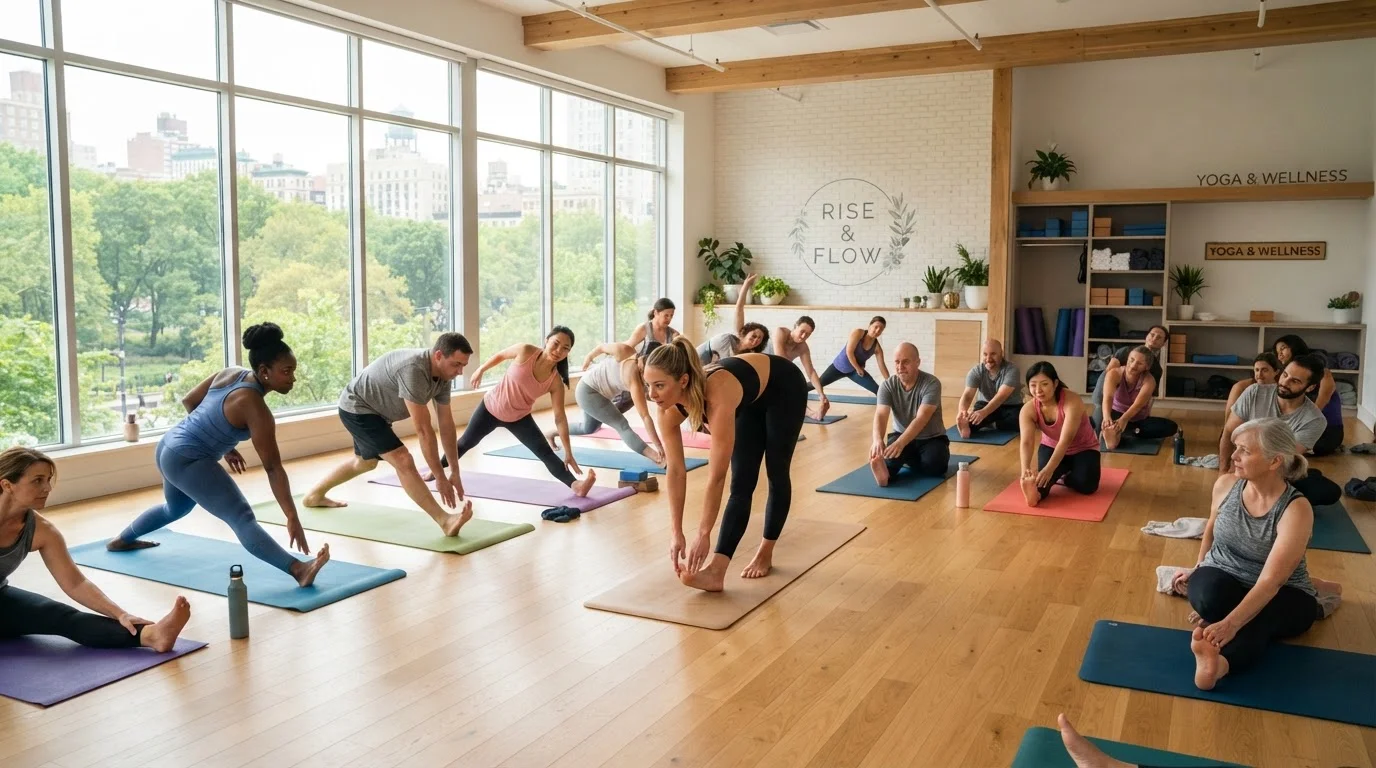
Photo: TrendingResults.net | Discover More, Trend More editorial
Key Takeaways
- Contacting the studio ahead of time can help you choose the right class format and intensity level.
- Arriving 10-15 minutes early gives you time to introduce yourself to the instructor and settle in.
- Wearing appropriate footwear and bringing water are among the most practical preparations you can make.
- Modifications are standard in group classes - you never need to keep pace with advanced participants.
- Listening to your body during class is more important than completing every repetition.
Why Group Fitness Works - and What to Expect
Group fitness classes offer something solo workouts often cannot: real-time instruction, built-in accountability, and a social environment that many people find genuinely motivating. Research consistently shows that exercising with others tends to increase adherence and effort - though individual results vary. For those just beginning or returning to regular movement, a structured class setting can lower the friction of getting started.
That said, walking into your first class without any preparation can feel disorienting. Formats, terminology, intensity levels, and unwritten norms differ widely between yoga, cycling, HIIT (high-intensity interval training), dance cardio, aqua aerobics, and strength-based sessions. If you're building from a longer break, our companion article on returning to exercise after a long break offers realistic pacing guidance before you commit to a class format.
The checklist below is designed to walk you through everything - from what to research beforehand to what to pack and how to communicate with instructors - so your first session feels less like a trial and more like a confident start.
Supportive Athletic Footwear
Proper shoes reduce injury risk and are often format-specific - cross-trainers work for most general classes, while cycling or dance formats may have distinct requirements.
Reusable Water Bottle
Staying hydrated throughout class supports performance and recovery; many studios have water refill stations but do not provide bottles.
Personal Exercise Mat
Required or strongly preferred for floor-based formats like yoga, Pilates, or core conditioning - check whether the studio loans mats and whether a rental fee applies.
Small Towel
Used for personal hygiene during class and for wiping down shared equipment after use, which is standard studio etiquette.
Heart Rate Monitor or Fitness Watch
Useful for tracking perceived exertion in intensity-based classes, helping you stay within a comfortable and safe effort range as a beginner.
The Complete First-Class Checklist
Work through these items in the days and hours before your class. Not every item will apply to every format, but reviewing each one ensures you won't be caught off-guard. If you encounter unfamiliar terminology on class descriptions or schedules, our fitness terms glossary explains common jargon in plain language.
Before You Book
What to Bring
When You Arrive
During Class
After Class
Don't Skip the Health History Disclosure
A Note on Modifications and Listening to Your Body
One of the most common first-timer concerns is keeping up. It's worth stating plainly: you are not expected to match experienced participants, and any qualified instructor will offer modifications for most movements. Scaled options - shorter range of motion, lower resistance, rest when needed - are a standard part of group fitness, not an exception.
Group classes can also expose you to exercise formats you haven't tried before, including bodyweight-only sessions. Our article on what bodyweight training can and can't do gives an honest look at what to expect from equipment-light formats, which are common in many studio environments.
If you have a chronic condition, recent injury, or are in a special population (pregnancy, older adults, post-surgery recovery), consult your healthcare provider before beginning any new exercise program. Group instructors can offer general modifications but are not a substitute for personalized medical guidance.
This article is for general informational and educational purposes only and does not constitute medical advice. Always consult a qualified healthcare professional before starting a new exercise program, especially if you have existing health conditions.
The content on this site is provided for informational purposes only and should not be considered a substitute for professional advice. While we strive to provide accurate and up-to-date information, we make no guarantees regarding its completeness or accuracy. Always consult a qualified professional for advice specific to your circumstances before making any decisions.