
Movement Snacks: Short Activity Bursts and Their Documented Effects

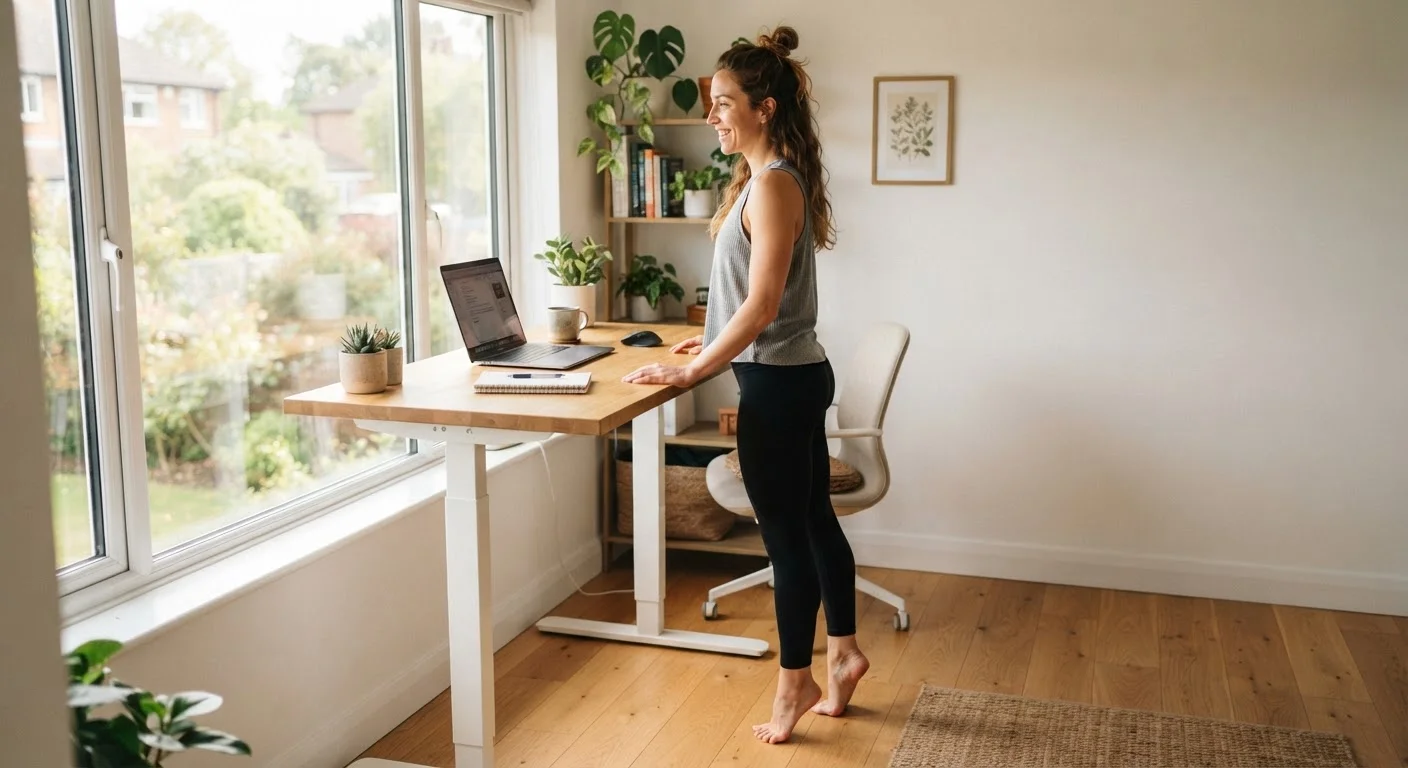
Photo: TrendingResults.net | Discover More, Trend More editorial
Key Takeaways
- Even one- to three-minute activity bursts can meaningfully lower blood sugar spikes after meals.
- Research suggests accumulated short bouts may offer cardiovascular benefits comparable to continuous moderate exercise.
- Breaking up sitting every 30 minutes is associated with improved metabolic markers in several controlled studies.
- Movement snacks don't replace structured exercise but work alongside it as a separate health lever.
- No equipment is needed - walking, stair climbing, bodyweight moves, and standing stretches all qualify.
What the Research Actually Shows
The concept of movement snacks isn't a fitness trend invented by wellness influencers - it has a legitimate and growing body of peer-reviewed research behind it. Studies published in journals including Medicine & Science in Sports & Exercise have found that interrupting prolonged sitting with brief activity bouts significantly blunts the post-meal blood glucose spike that characterizes metabolic risk. One frequently cited research design has participants walk for as little as three minutes every 30 minutes and measured lower blood sugar and insulin levels compared to uninterrupted sitting.
Cardiovascular effects have also been studied. A 2019 analysis found that accumulating short bouts of moderate-intensity activity across the day produced improvements in cardiorespiratory fitness similar to a single continuous session of equivalent total duration. This challenged the long-held assumption that only sustained, unbroken exercise sessions deliver meaningful cardiovascular benefit.
Energy expenditure is another documented outcome. Even light-intensity movement - such as slow walking or standing with gentle motion - measurably increases calorie use compared to sitting. While the magnitude per individual break is modest, cumulative increases over a workday are substantial.
~30 min
Maximum recommended sitting interval before a break
Multiple controlled trials have used 30-minute sitting intervals as the threshold for triggering movement breaks, with measurable improvements in blood glucose and insulin response.
3 min
Minimum effective activity burst duration studied
Research published in journals including Diabetes Care found that three-minute light walking breaks every 30 minutes reduced blood sugar spikes compared to uninterrupted sitting.
150 min
Weekly moderate activity still recommended alongside snacks
U.S. physical activity guidelines from the Department of Health and Human Services recommend at least 150 minutes of moderate aerobic activity per week - movement snacks work alongside, not instead of, this target.
Why Sitting Itself Is a Separate Problem
A critical nuance in this research area: sedentary behavior and physical inactivity are increasingly treated as distinct health risks. A person can meet standard exercise guidelines - 150 minutes of moderate activity per week - and still face elevated metabolic risk if they sit continuously for eight or more hours on most days. Movement snacks specifically target this sedentary risk, rather than acting as a shortcut around dedicated workouts.
Prolonged sitting is associated with reduced insulin sensitivity, elevated triglycerides, and impaired vascular function, even in otherwise active people. The mechanism appears to involve sustained muscular inactivity, which suppresses lipoprotein lipase - an enzyme important in fat metabolism. Brief movement bouts restore muscular engagement and restart these metabolic processes.
This distinction matters because it reframes movement snacks not as a poor substitute for exercise, but as an independent tool addressing a separate physiological problem. If you're building an exercise routine after a long break, movement snacks can serve as a low-barrier entry point that complements your broader efforts.
How to Build Movement Snacks Into Real Days
The practical appeal of movement snacks is their accessibility. They demand no gym membership, no workout clothes, and no large block of free time. The challenge is consistency - brief breaks are easy to skip when work pressure intensifies.
Behavioral research on habit formation suggests that linking a new behavior to an existing cue - sometimes called 'habit stacking' - improves adherence. Practical examples include standing and walking during every phone call, doing a set of bodyweight squats before refilling a water bottle, or climbing stairs rather than using an elevator between meetings.
Make Your Environment Do the Work
For those navigating genuinely crowded schedules, the strategies for weaving movement into a packed day go further into sustainable scheduling approaches. Similarly, anchoring fitness habits so they outlast motivation is directly relevant to making movement snacks a durable practice rather than a short-lived experiment.
Walking breaks are among the most studied and accessible forms. For broader context on walking's evidence base, see what research says about walking as exercise.
This article is for general informational and educational purposes only and is not a substitute for professional medical advice. Consult a qualified healthcare provider before making changes to your activity level, especially if you have a chronic health condition or injury.
Frequently Asked Questions
The content on this site is provided for informational purposes only and should not be considered a substitute for professional advice. While we strive to provide accurate and up-to-date information, we make no guarantees regarding its completeness or accuracy. Always consult a qualified professional for advice specific to your circumstances before making any decisions.