
Dietary Fiber: Why Most Americans Don't Get Enough and What to Do About It

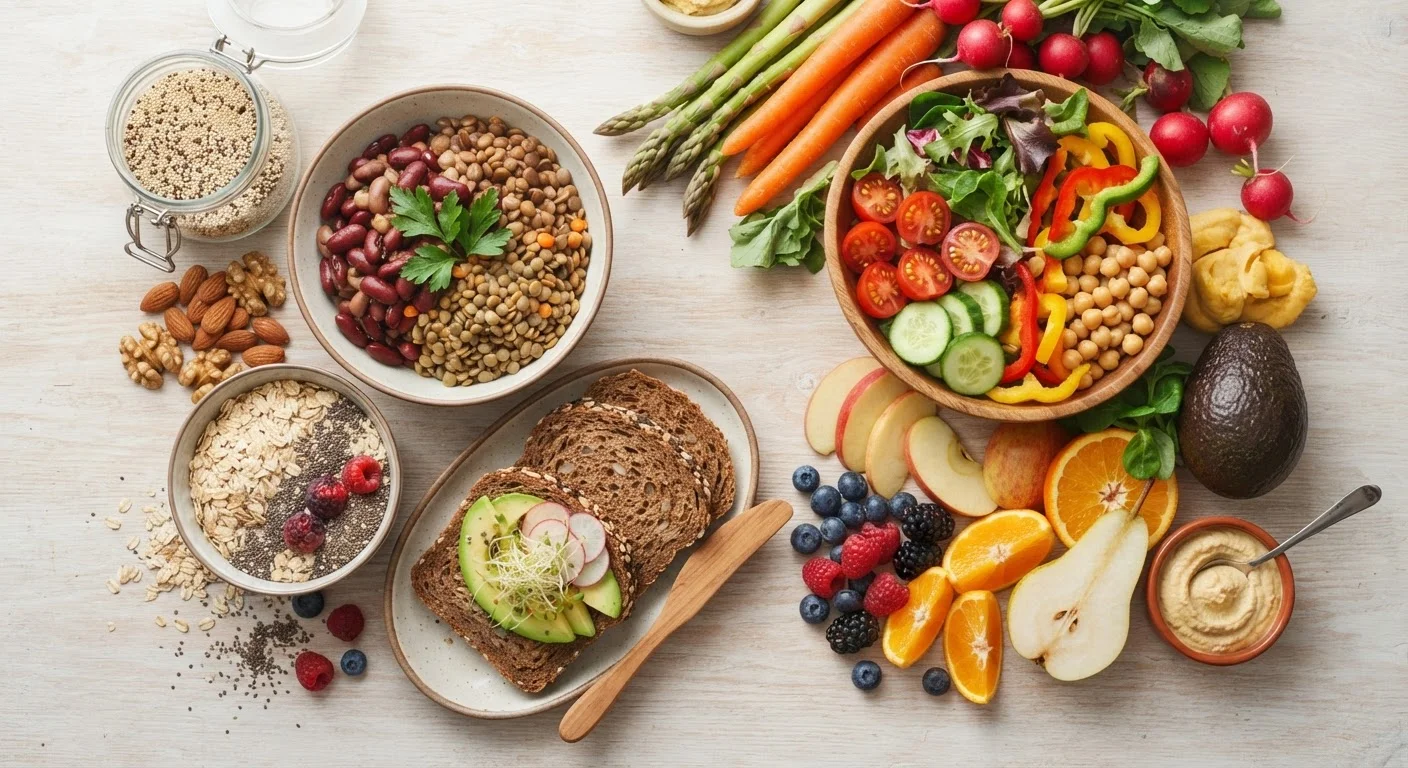
Photo: TrendingResults.net | Discover More, Trend More editorial
Key Takeaways
- Most Americans consume only about half the daily fiber recommended by health authorities.
- There are two main types of fiber - soluble and insoluble - and both offer distinct health benefits.
- Adequate fiber intake is linked to improved digestive health, better blood sugar control, and reduced cholesterol levels.
- Whole foods like legumes, oats, fruits, and vegetables are the most reliable sources of dietary fiber.
- Gradually increasing fiber intake alongside adequate water helps avoid common digestive discomfort.
The Fiber Gap: A Widespread Nutrition Shortfall
Dietary fiber is one of the most consistently under-consumed nutrients in the American diet. National dietary surveys indicate that the average U.S. adult takes in roughly 15 grams of fiber per day - well short of the 25 to 38 grams recommended by the Dietary Guidelines for Americans and other major health authorities. This shortfall is so common that nutrition researchers have dubbed it a "fiber gap."
The reasons behind this gap are largely structural. Highly processed foods - which make up a substantial portion of what many Americans eat - have most of their naturally occurring fiber stripped out during manufacturing. White bread, refined pasta, fruit juices, and packaged snack foods offer little to none of the fiber found in their whole-food counterparts. If you are curious about how nutrition labels and marketing claims can complicate smart food choices, see our guide to grocery shopping and nutrition goals.
~15g
Average daily fiber intake for U.S. adults
According to data from the National Health and Nutrition Examination Survey (NHANES), most Americans consume roughly 15 grams of fiber per day.
25-38g
Recommended daily fiber intake for adults
The Dietary Guidelines for Americans recommend 25 grams per day for women and 38 grams per day for men, based on a 2,000-2,500 calorie diet.
95%
Americans not meeting fiber recommendations
Research published in the American Journal of Lifestyle Medicine estimated that roughly 95% of Americans fail to meet recommended daily fiber intake targets.
Two Types of Fiber, Two Sets of Benefits
Fiber is not a single substance - it encompasses a range of plant compounds, broadly divided into two categories: soluble and insoluble. Understanding the difference helps clarify why a varied, plant-rich diet is more beneficial than relying on any one source.
Soluble Fiber
Soluble fiber dissolves in water to form a thick, gel-like material in the digestive tract. This slows the absorption of sugar into the bloodstream, which can help moderate blood glucose levels after meals. It also binds to cholesterol particles and carries them out of the body, supporting healthy blood lipid levels. Oats, barley, apples, citrus fruits, and legumes are particularly rich in soluble fiber.
Insoluble Fiber
Insoluble fiber does not dissolve in water. Instead, it adds bulk and texture to stool, helping it move more efficiently through the intestines. This reduces the time waste spends in the colon and supports regular bowel movements. Whole wheat products, bran, nuts, and many vegetables - including carrots and celery - are good sources of insoluble fiber.
Most whole plant foods contain a combination of both types, which is one reason whole-food sources are generally preferable to isolated fiber supplements.
“Fiber is one of the most underappreciated nutrients in the diet. Its effects on the microbiome, metabolic health, and chronic disease risk are profound, yet most people consume far less than they need.”
— Walter Willett, Professor of Epidemiology and Nutrition, Harvard T.H. Chan School of Public Health
What Fiber Does for Your Health
The health benefits associated with adequate fiber intake extend well beyond preventing constipation, though that is certainly one effect. Research published in peer-reviewed journals and endorsed by organizations including the American Heart Association points to a consistent relationship between higher fiber diets and several favorable health outcomes.
- Digestive health: Regular fiber intake supports a diverse gut microbiome - the community of bacteria in your intestines that plays a role in immunity, nutrient absorption, and even mood regulation.
- Blood sugar management: Soluble fiber slows glucose absorption, which helps prevent sharp spikes in blood sugar after meals. This is especially relevant for people managing or seeking to reduce risk of type 2 diabetes.
- Heart health: Diets high in fiber - particularly from whole grains and legumes - are associated with lower LDL (low-density lipoprotein) cholesterol and reduced cardiovascular risk.
- Weight management: Fiber-rich foods tend to be more filling per calorie, which can support a sense of satiety and reduce overall caloric intake without deliberate restriction.
It is worth noting that most of this research is observational. Fiber-rich diets tend to coincide with other healthy eating patterns, so isolating fiber as the sole cause of these benefits is difficult. Still, the evidence base is substantial and consistent. For a broader look at which nutrition claims are well-supported and which are not, visit our article on popular nutrition myths and what the science actually says.
Practical Ways to Eat More Fiber
Reaching daily fiber targets does not require dramatic dietary overhauls. Small, consistent shifts in food choices can meaningfully increase intake over time.
Build Fiber Into Every Meal
Start with Swaps
Replacing refined grains with whole-grain versions is one of the simplest changes. Choosing whole wheat bread over white, brown rice over white rice, and whole grain pasta over refined varieties adds fiber without requiring entirely new meals.
Make Legumes a Regular Feature
Beans, lentils, and chickpeas are among the most fiber-dense foods available and are also inexpensive and versatile. Adding a half-cup of black beans to a salad or soup, or using lentils as a base for a weeknight meal, can add 7 to 9 grams of fiber in a single serving.
Eat Whole Fruit Instead of Juice
Whole fruits retain their fiber; juice does not. An orange contains about 3 grams of fiber, while a glass of orange juice contains almost none. The same principle applies to most fruits.
Increase Gradually and Stay Hydrated
A sudden large increase in fiber intake can cause bloating, gas, or cramping. Spreading increases over several weeks allows the gut microbiome to adapt. Fiber also works best with adequate hydration - water helps fiber move through the digestive system effectively. For more on how hydration connects to overall nutrition, see our article on water's role in nutrition and health.
This article is for general informational and educational purposes only and is not a substitute for professional medical or nutritional advice. Consult a qualified healthcare provider for guidance specific to your health needs.
Frequently Asked Questions
The content on this site is provided for informational purposes only and should not be considered a substitute for professional advice. While we strive to provide accurate and up-to-date information, we make no guarantees regarding its completeness or accuracy. Always consult a qualified professional for advice specific to your circumstances before making any decisions.