Home Improvement

Before You Sign With a General Contractor: Questions Worth Asking

Before You Sign With a General Contractor: Questions Worth Asking

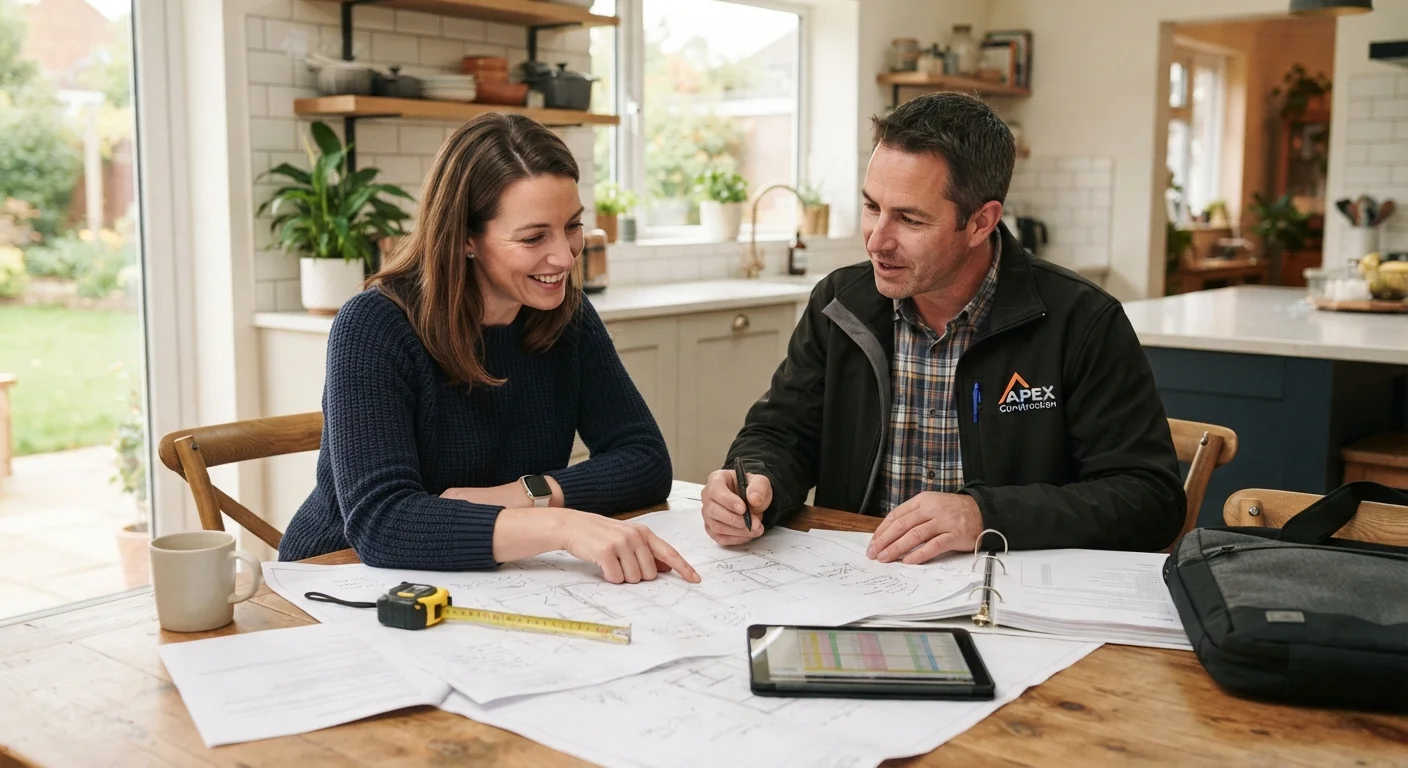
Photo: TrendingResults.net | Discover More, Trend More editorial

A practical checklist covering licensing, insurance, references, timelines, and contract terms—before any work begins.

Key Takeaways

  • Always verify a contractor's license and insurance before any work begins or contracts are signed.
  • A detailed written scope of work protects both parties and reduces mid-project disputes.
  • Payment schedules tied to milestones are generally safer than large upfront lump sums.
  • References from recent, similar projects reveal more than online ratings alone.
  • Understanding who pulls permits—and who is responsible for inspections—matters legally and financially.

Why This Conversation Matters Before You Sign

Hiring a general contractor is one of the largest financial commitments most homeowners make outside of purchasing the home itself. Yet many homeowners sign contracts under time pressure, excitement, or fatigue—only to discover mid-project that expectations were never clearly defined.

This checklist is designed to slow that process down in a productive way. Use it during or after the bid phase, before any agreement is executed. Much like reviewing paperwork carefully before a major purchase—whether that's a vehicle contract or a lease—the questions you ask upfront determine how protected you are if things go sideways.

Work through every section below. If a contractor becomes impatient or evasive with any of these questions, that reaction itself is useful information.

Licensing and Legal Standing

Ask for the contractor's state license number and verify it independently through your state's contractor licensing board website. Must
Confirm the license is current, in good standing, and covers the specific type of work being done (e.g., general construction, specialty trades). Must
Check whether the contractor has any formal complaints, disciplinary actions, or license suspensions on file. Must
Verify the business entity name on the license matches what appears on the contract and any invoices. Should

Insurance Verification

Request certificates of insurance for both general liability and workers' compensation coverage, and confirm they are current. Must
Contact the insurance provider directly to verify the policy is active—certificates can be outdated or altered. Must
Confirm coverage limits are sufficient for the scope and value of your project. Should
Ask whether subcontractors will be used and confirm they carry their own insurance. Must

References and Track Record

Request at least three references from projects completed within the past two years that are similar in scope to yours. Must
Call each reference and ask specifically about communication, cleanliness, timeline adherence, and how problems were handled. Must
Ask references whether they would hire this contractor again and whether the final cost matched the original estimate. Should
Search the contractor's name and business name for any public complaints, legal judgments, or Better Business Bureau reports. Should

Scope of Work and Contract Terms

Confirm that a written, itemized scope of work is included in the contract—verbal promises are not enforceable. Must
Verify that the contract specifies who is responsible for obtaining permits and scheduling inspections. Must
Review how change orders are handled: changes to scope should be documented and priced in writing before work proceeds. Must
Confirm the contract includes a clear start date, projected completion date, and what constitutes a valid reason for delay. Should

Payment Structure

Review the payment schedule and confirm it is tied to project milestones rather than calendar dates alone. Must
Be cautious of any contractor requesting more than 10–15% of the total project cost as an upfront deposit before work begins. Should
Confirm that a meaningful portion of the final payment (often 10%) is withheld until the project passes final inspection and punch-list items are completed. Should
Ask about the process for resolving billing disputes, including who arbitrates disagreements and on what timeline. Nice to have
Clarify whether the contractor will provide lien waivers from subcontractors and suppliers upon payment, protecting you from unpaid-bill liens on your property. Must
Confirm the contract specifies accepted payment methods and whether there are penalties for late payment on either side. Nice to have

Tools and Documents to Have Ready

Before your contractor meeting, gather the materials below. Having these on hand lets you verify answers in real time rather than following up later—which can delay your project start and create pressure to sign before you're ready.

Required

State Contractor License Lookup

Used to independently verify the contractor's license status, type, and any disciplinary history through your state's official licensing board.

Required

Certificates of Insurance (COI)

Documents the contractor provides proving active general liability and workers' compensation coverage—required before signing.

Required

Written Project Bids from Multiple Contractors

Having at least two to three itemized bids lets you compare scope, assumptions, and pricing before committing to one contractor.

Optional

Blank Change Order Template

A simple written form used to document any modifications to the agreed scope of work, pricing, or timeline once the project begins.

Required

Local Building Department Contact

Lets you confirm which permits are required for your project and whether your contractor is authorized to pull them in your jurisdiction.

Never Pay in Full Before Work is Complete

Paying the entire contract amount upfront removes your primary leverage if problems arise. A legitimate contractor will not require full payment before starting. Structure payments around completed milestones and always retain a final portion until the work passes inspection and all punch-list items are resolved.

Verbal Promises Are Not Binding

If a contractor makes a commitment during a sales meeting—about materials, timelines, or included work—it must appear in the written contract to be enforceable. Do not assume good faith will substitute for written specifics. Any promise not in the contract should be added via a written amendment before signing.

After the Meeting: What to Do Before Signing

Once you've worked through the checklist in person, take at least 24–48 hours before signing anything. Use that window to call the references provided, independently verify the license number through your state's contractor licensing board, and read the full contract—not just the summary page.

Pay particular attention to the dispute resolution clause, the change-order process, and any language about what happens if the project runs over schedule or over budget. Vague language in those sections tends to favor whichever party is more willing to argue later.

If the contract includes an arbitration clause, understand what rights that may waive before agreeing. When in doubt about legal language, a brief consultation with a real estate or construction attorney is money well spent on a large project.

Signing a contractor agreement shares some structural similarities with other high-stakes commitments—like deciding what to verify before signing a lease. The principle is the same: read carefully, ask questions, and don't let urgency replace due diligence.

Permits Protect the Homeowner, Not Just the Contractor

Unpermitted work can create serious problems when you sell the home, file an insurance claim, or need future repairs. If your contractor suggests skipping required permits to save time or money, decline. In most jurisdictions, the homeowner bears responsibility for unpermitted work on their property, regardless of who performed it. Always confirm which permits are required with your local building department before work begins.

Home & Garden Editorial Team

TrendingResults.net | Discover More, Trend More

Home & Garden Editorial Team is the collective byline for our editorial team and contributor network. Articles published under this byline or an editorial pen name are researched, written, and reviewed according to our editorial standards for clarity, consistency, and independence before publication.

Home ImprovementLawn & GardenHome Systems
View author profile

The content on this site is provided for informational purposes only and should not be considered a substitute for professional advice. While we strive to provide accurate and up-to-date information, we make no guarantees regarding its completeness or accuracy. Always consult a qualified professional for advice specific to your circumstances before making any decisions.