
The Real Reason Most Household Budgets Fall Apart After Month One

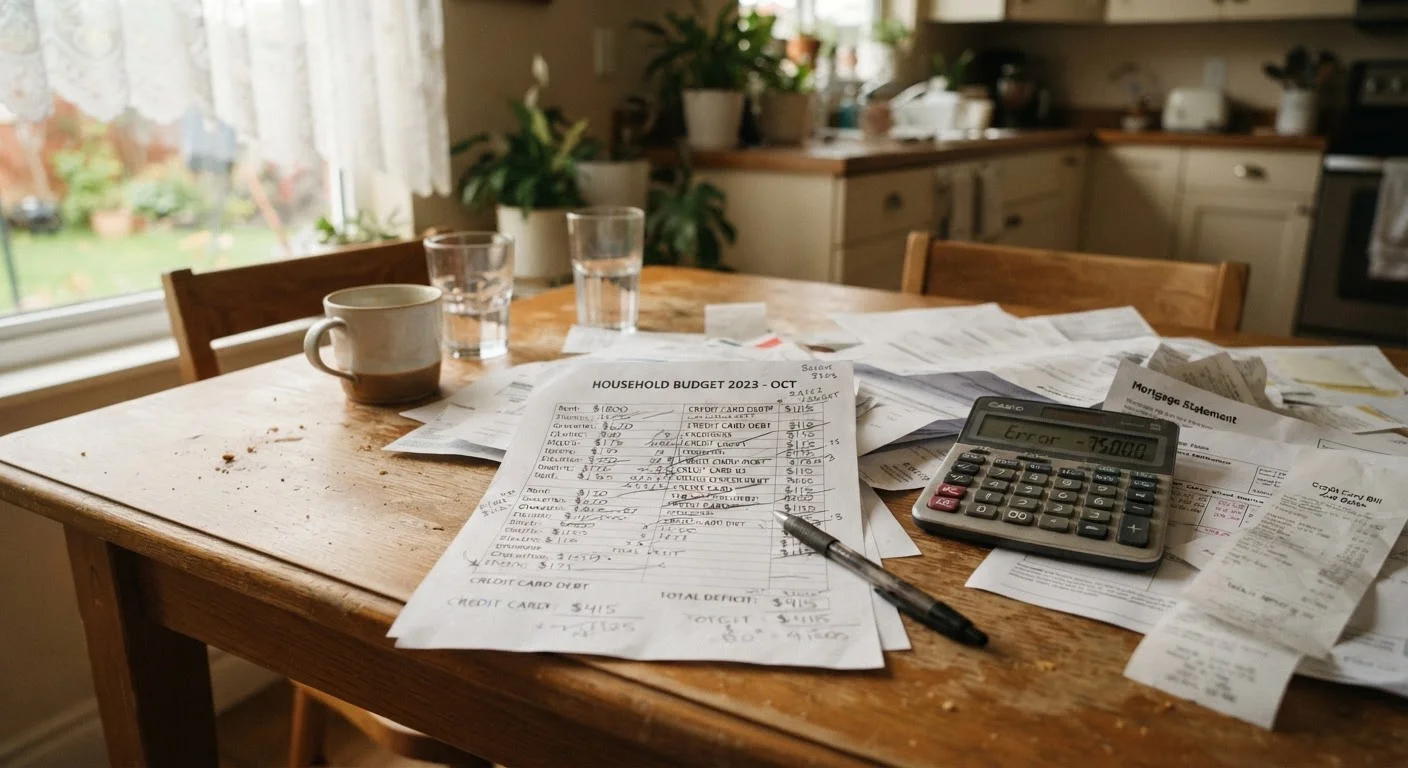
Photo: TrendingResults.net | Discover More, Trend More editorial
Key Takeaways
- Most budgets collapse not from lack of discipline, but from structural design errors made at the start.
- Forgetting irregular expenses like car repairs or annual subscriptions is one of the most common budget-busters.
- Using income before taxes - instead of take-home pay - sets a budget up to overshoot from day one.
- Budgets built without any flexibility treat normal life events as failures rather than expected variables.
- Tracking spending against the budget throughout the month matters as much as building it in the first place.
The Problem Isn't Motivation - It's Architecture
Every January, millions of households sit down and write out a budget. By February, most of those budgets are abandoned. The common assumption is that willpower ran out. The more accurate explanation is that the budget was structurally flawed before the first dollar was ever tracked.
A budget that doesn't reflect how money actually moves through a household isn't a financial plan - it's a wish list. Understanding the specific design mistakes that cause budgets to collapse is the first step toward building one that actually holds. As our editorial team covers in why vague spending awareness falls apart, mental estimates consistently undercount real costs, leaving households confused when the numbers don't add up.
Using gross income instead of net (take-home) pay as the baseline.
Omitting irregular but predictable expenses from monthly categories.
Setting spending limits based on ideal behavior rather than actual spending patterns.
Building a budget with zero margin for flexibility or unexpected costs.
Never checking the budget again after building it at the start of the month.
How to Build a Budget That Survives Real Life
Avoiding these mistakes doesn't require a finance degree - it requires honesty about how your household actually spends money, not how you wish it spent money.
~33%
Americans with a detailed written budget
Surveys conducted by the National Foundation for Credit Counseling have consistently found that fewer than one in three Americans maintains a detailed monthly budget.
$1,400+
Average annual irregular household expense gap
Research from the Consumer Financial Protection Bureau indicates that households frequently underestimate irregular costs, often by hundreds to over a thousand dollars annually.
Start by pulling three to six months of actual bank and credit card statements before writing a single budget line. This grounds your categories in real behavior rather than optimistic estimates. Build in a dedicated "irregular expenses" category funded monthly, so that when the car registration bill arrives, it's already covered. If your income varies - as it does for many freelancers and hourly workers - see our guide on budgeting on a variable income for methods designed for that reality.
Reserve at least 5-10% of your budget as a flexible buffer. Treat it not as slush money, but as an acknowledgment that life is unpredictable. Check your budget weekly - even a five-minute review mid-month lets you course-correct before a small overage becomes a full category collapse. A budget is a living document, not a one-time exercise.
Don't Mistake a Tight Budget for a Good Budget
This article is for general informational and educational purposes only and does not constitute personalized financial advice. Consider consulting a qualified financial professional for guidance specific to your situation.
The content on this site is provided for informational purposes only and should not be considered a substitute for professional advice. While we strive to provide accurate and up-to-date information, we make no guarantees regarding its completeness or accuracy. Always consult a qualified professional for advice specific to your circumstances before making any decisions.