
Why 'I Know Roughly What I Spend' Is Not a Budget

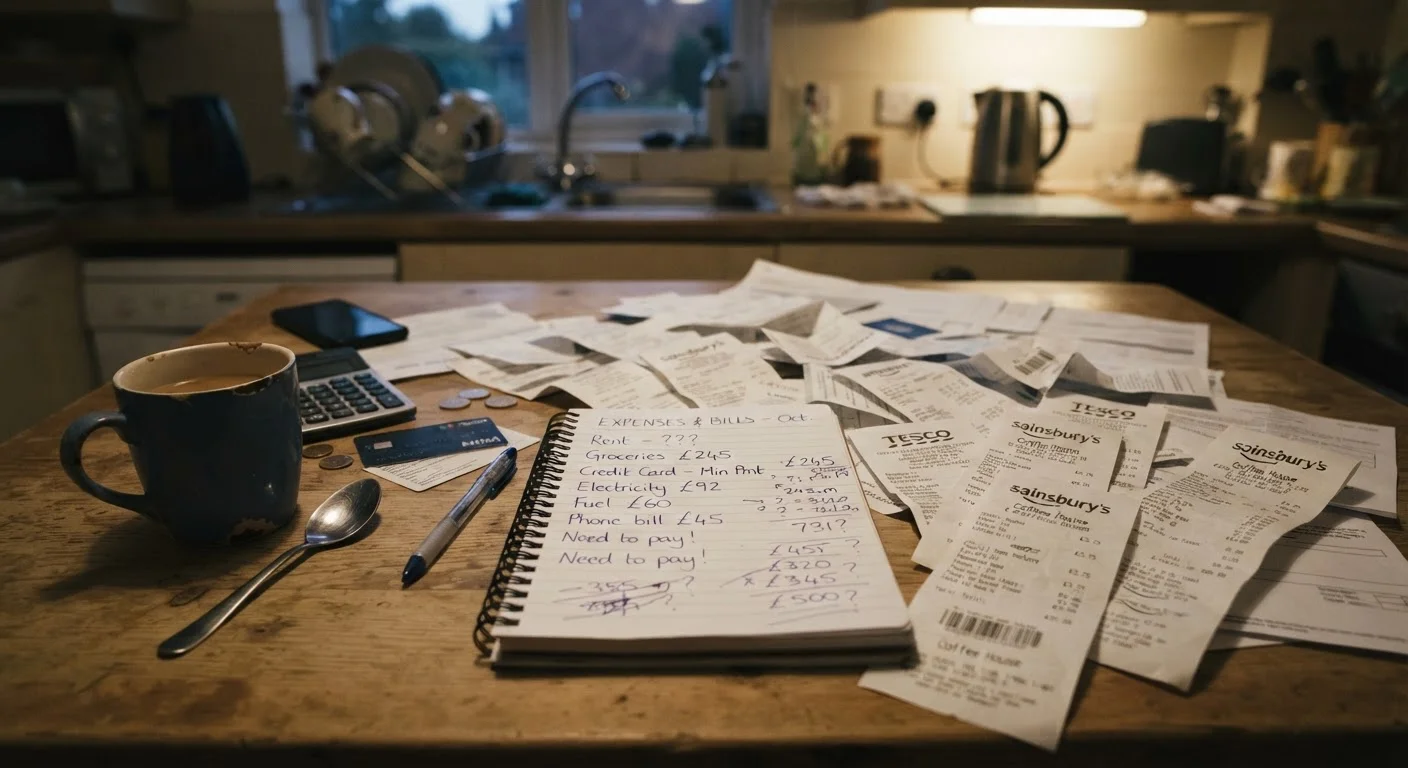
Photo: TrendingResults.net | Discover More, Trend More editorial
Key Takeaways
- Mental estimates of spending are consistently less accurate than written or tracked records.
- Irregular and annual expenses are the most common blind spots in vague spending awareness.
- A real budget requires written categories, specific dollar amounts, and regular review.
- Small daily purchases add up in ways that mental accounting routinely underestimates.
- Switching from rough awareness to structured tracking often reveals hundreds in unplanned spending.
The Comfort of Vague Awareness - and Why It Fails
Most people who say they "know roughly what they spend" are telling the truth as they understand it. They know rent, they know car payments, and they have a general sense that groceries run somewhere between $400 and $600 a month. That awareness feels functional - and for a period of relative financial stability, it can pass for adequate.
But rough awareness is not a budget. A budget is a written, forward-looking plan that assigns specific dollar amounts to specific categories before money is spent. Mental accounting - the informal process of tracking finances in your head - is backward-looking, imprecise, and subject to a well-documented human tendency to underestimate expenses and overestimate available funds.
Research in behavioral economics consistently shows that people recall their spending less accurately than they believe. We anchor to memorable purchases and forget the routine ones. We treat a $7 coffee as trivial and a $200 car repair as exceptional, when both are predictable parts of a real financial life. The result is a mental ledger that feels complete but has significant gaps.
If you've ever reached the end of a month wondering where your paycheck went - despite feeling like you hadn't spent unusually - this is the mechanism behind that experience. For a structured starting point, see our guide to building your first household budget.
Estimating grocery and dining costs as a single blended number rather than tracking them separately.
Treating irregular expenses as surprises rather than predictable annual costs.
Anchoring spending estimates to fixed costs while underweighting variable and discretionary spending.
Counting income before taxes, fees, or deductions when mentally calculating what's available to spend.
Assuming that not overdrafting means the budget is working.
What a Real Budget Actually Requires
Moving from vague awareness to a functional budget isn't about deprivation or complexity. It's about replacing estimates with specifics. A workable budget has three elements that mental accounting lacks: written categories, assigned amounts, and a review cycle.
Irregular Expenses Are Budget Killers
Written categories force you to account for spending you'd otherwise blur together. "Miscellaneous" is not a budget category - it's a placeholder for things you haven't decided to track yet. Categories like groceries, dining out, subscriptions, personal care, and irregular expenses (annual fees, car registration, medical copays) need to exist as separate line items. Our article on spending categories most templates overlook covers the line items that quietly drain accounts even when a budget looks balanced on paper.
Assigned amounts create accountability. Saying "I'll spend less on restaurants" is an intention; writing "$150 for dining out this month" is a plan you can measure. Understanding how fixed and variable expenses differ helps you set realistic amounts for each category rather than guessing.
A review cycle is what turns a one-time exercise into a functioning system. Checking actual spending against your plan - even once a month - closes the feedback loop that mental accounting never closes. A structured monthly spending audit is one of the most effective ways to start this habit.
~$1,000
Average monthly gap between estimated and actual discretionary spending
Consumer finance research consistently finds that self-reported spending estimates diverge significantly from recorded transaction data, particularly in dining, entertainment, and personal care.
1 in 3
Americans with no formal written budget
Surveys by the National Foundation for Credit Counseling have found that a substantial share of U.S. adults manage money without a documented budget, relying primarily on mental estimates.
The format you use matters less than consistency. Whether pen and paper, a spreadsheet, or an app fits your habits best, the key is that the record exists outside your head. Explore the trade-offs in our comparison of budgeting tools to find what you'll actually stick with.
This article is for general informational purposes only and does not constitute personalized financial advice. Consider consulting a qualified financial professional for guidance specific to your situation.
The content on this site is provided for informational purposes only and should not be considered a substitute for professional advice. While we strive to provide accurate and up-to-date information, we make no guarantees regarding its completeness or accuracy. Always consult a qualified professional for advice specific to your circumstances before making any decisions.