
Credit Terms Every Borrower Should Recognize

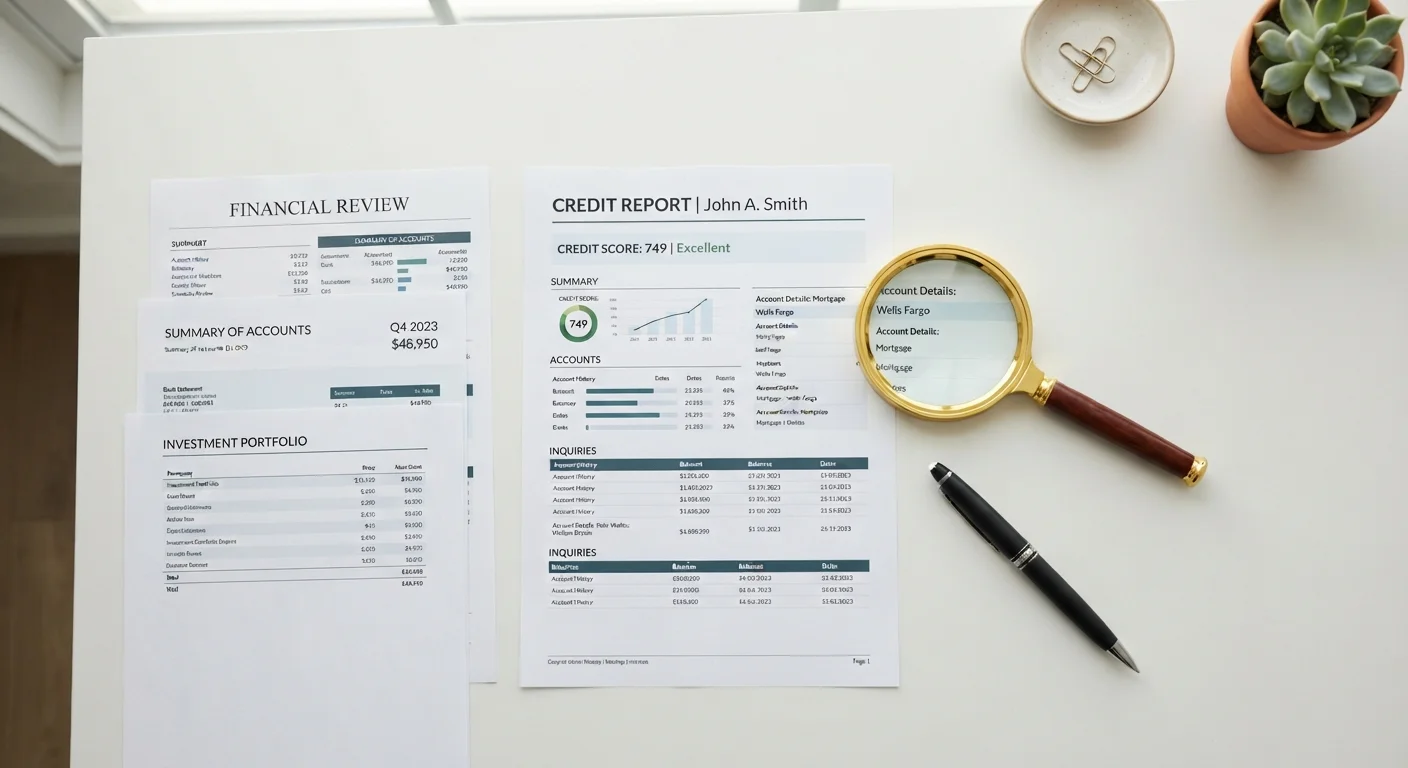
Photo: TrendingResults.net | Discover More, Trend More editorial
Why Credit Vocabulary Matters
Borrowing money means agreeing to a set of terms - and those terms carry real financial consequences. Yet the language lenders use is often dense, inconsistent, or buried in fine print. A borrower who doesn't know the difference between an APR and an interest rate, or between a hard and soft inquiry, is at a disadvantage before the conversation even starts.
This glossary is a reference, not a substitute for professional advice. For decisions specific to your situation, a licensed financial adviser or credit counselor can provide guidance tailored to your circumstances. If you're just getting started with credit fundamentals, this plain-language primer on credit and debt covers the foundational concepts.
Key Metrics Lenders Use to Evaluate You
When you apply for credit, lenders aren't just looking at your credit score. They assess a combination of metrics to estimate how likely you are to repay. Understanding what they're measuring helps you see your own financial profile more clearly.
| Hard inquiry score impact | Usually less than 5 points (FICO, general consumer guidance) |
| Charge-off reporting period | Up to 7 years (Fair Credit Reporting Act (FCRA)) |
| Bankruptcy reporting period (Chapter 7) | Up to 10 years (Fair Credit Reporting Act (FCRA)) |
| Credit utilization weight in FICO score | ~30% of score (FICO score factor breakdown) |
| Maximum DTI for many conventional mortgages | 43-45% (Consumer Financial Protection Bureau (CFPB)) |
Credit utilization is one of the most actionable factors borrowers can influence. Keeping revolving balances low relative to credit limits - broadly, below 30% is often cited as a reasonable target, though lower is generally better - can positively affect your score over time. This doesn't mean carrying a balance; paying in full each month can achieve low utilization.
Debt-to-income ratio matters most when applying for mortgages or large installment loans. Unlike credit scores, DTI is not reported on your credit file - lenders calculate it themselves using your income documentation and reported debts. Improving DTI typically requires increasing income, reducing existing debt payments, or both.
Credit Inquiries and Rate Shopping
For a section-by-section breakdown of how these and other factors appear on your actual credit file, see our guide to reading a credit report.
Terms That Appear When Debt Goes Wrong
Understanding what happens when payments are missed helps borrowers recognize warning signs and respond before situations escalate.
A delinquency occurs as soon as a payment is past due. Lenders typically don't report a late payment to credit bureaus until it's at least 30 days past due, but policies vary. Once reported, a 30-day late payment can meaningfully lower a credit score, and the impact is generally greater for borrowers who had strong scores before the missed payment.
If an account remains unpaid, a lender may eventually charge off the debt and sell it to a third-party collector. That generates a collection account - a separate negative entry on your credit report, distinct from the original delinquency. You may end up with two derogatory marks related to the same debt.
It's also worth understanding the difference between secured and unsecured debt in this context: when a secured loan defaults, the lender has the right to repossess the collateral. With unsecured debt, collectors must pursue payment through other legal means. Understanding how secured and unsecured debt differ before borrowing can clarify what's at stake if repayment becomes difficult.
These terms also appear in auto financing. If you're reviewing a car loan agreement, understanding how APR, loan term, and monthly payment interact can help you evaluate total borrowing cost before you sign.
This article is for general informational purposes only and does not constitute personalized financial, legal, or credit advice. Readers should consult a licensed financial adviser or credit counselor for guidance specific to their situation.
The content on this site is provided for informational purposes only and should not be considered a substitute for professional advice. While we strive to provide accurate and up-to-date information, we make no guarantees regarding its completeness or accuracy. Always consult a qualified professional for advice specific to your circumstances before making any decisions.