
Secured vs. Unsecured Debt: Understanding the Difference Before You Borrow

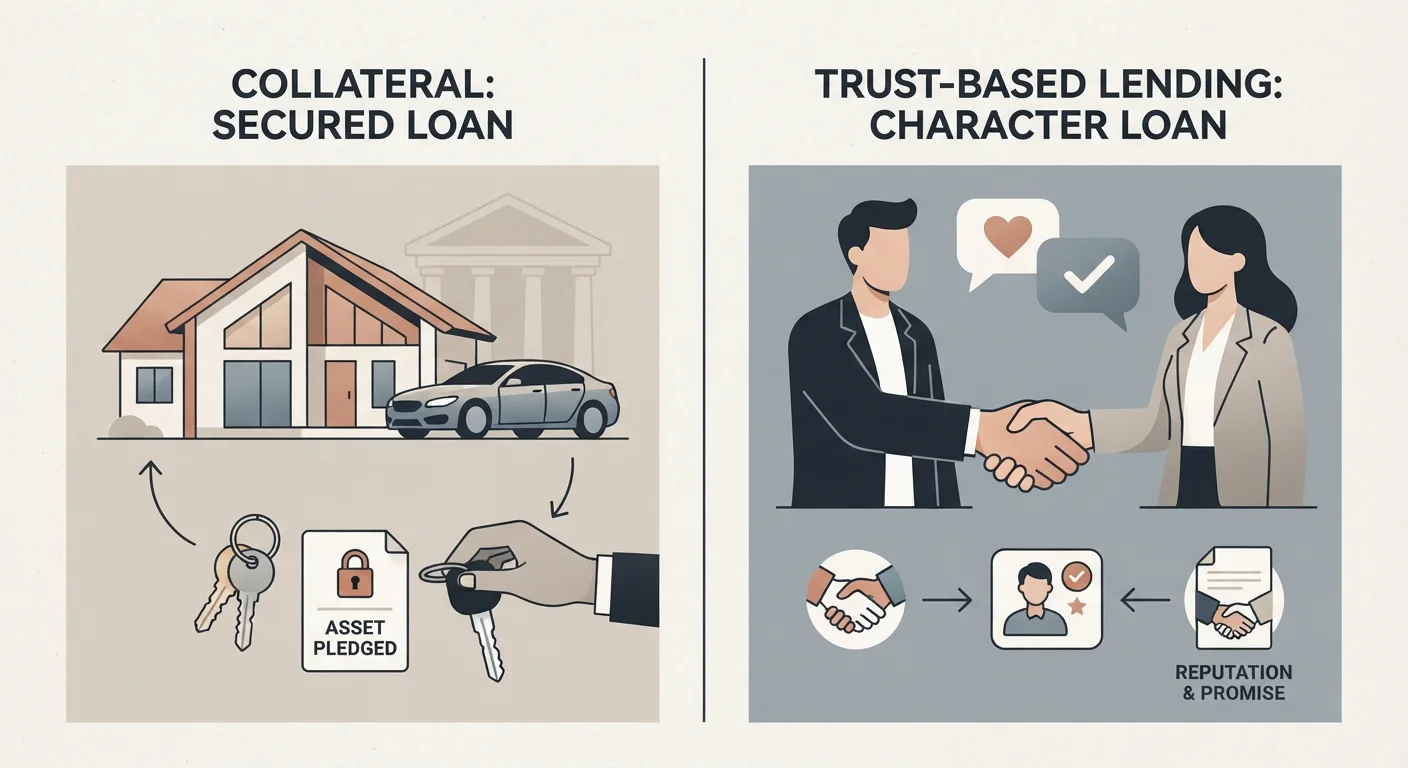
Photo: TrendingResults.net | Discover More, Trend More editorial
Key Takeaways
- Secured debt is backed by collateral - a specific asset the lender can claim if you default.
- Unsecured debt relies solely on your creditworthiness; no asset is pledged as a guarantee.
- Defaulting on secured debt puts your collateral directly at risk of repossession or foreclosure.
- Unsecured debt typically carries higher interest rates because lenders take on more risk.
- Both debt types affect your credit score, but the consequences of non-payment differ significantly.
- Understanding the distinction helps you evaluate risk before signing any loan agreement.
What Makes Debt 'Secured' or 'Unsecured'?
The single defining difference between secured and unsecured debt is collateral - a specific asset pledged to guarantee repayment. With secured debt, the lender has a legal claim (called a lien) on that asset. If you stop paying, the lender can take steps to recover the asset to satisfy the balance. With unsecured debt, no such asset is tied to the loan; the lender extends credit based entirely on your credit history, income, and financial profile.
Common examples of secured debt include mortgages, auto loans, and home equity lines of credit (HELOCs). Common examples of unsecured debt include credit cards, personal loans, medical bills, and student loans. For a broader foundation on how these products fit into the credit landscape, see our plain-language credit primer.
| Criterion | Secured Debt | Unsecured Debt |
|---|---|---|
| Collateral required | Yes - specific asset pledged | No - creditworthiness only |
| Common examples | Mortgage, auto loan, HELOC | Credit card, personal loan, medical bill |
| Typical interest rate | Lower (lender has less risk) | Higher (lender has more risk) |
| Default consequence | Repossession or foreclosure | Collections, possible court judgment |
| Loan amount potential | Often higher (asset-limited) | Usually lower or moderate |
| Lender's recourse speed | Faster - lien on asset | Slower - legal process required |
| Credit score impact on default | Severe, plus asset loss | Severe, but no direct asset loss |
What Happens When You Can't Pay
This is where the distinction carries real consequences. With secured debt, default gives the lender a direct path to the collateral. Miss enough mortgage payments and the lender can initiate foreclosure. Stop paying an auto loan and the vehicle can be repossessed - sometimes without prior court action, depending on state law.
With unsecured debt, lenders have no collateral to seize directly. Instead, they may charge off the account, sell it to a collections agency, and potentially sue you in civil court. If they win a judgment, they may be able to garnish wages or place liens on property - but this route is slower and less certain than simply reclaiming collateral. Neither path is without consequence for your credit score or financial stability.
~$17.5T
Total U.S. household debt
According to the Federal Reserve Bank of New York's Household Debt and Credit Report, total U.S. household debt - the vast majority of it secured mortgage debt - reached approximately $17.5 trillion in recent years.
3-5x
APR gap: unsecured vs. secured
Average credit card APRs frequently run three to five times higher than prevailing 30-year fixed mortgage rates, illustrating the cost premium lenders charge when no collateral is pledged.
~70%
Share of household debt that is mortgage debt
Federal Reserve data consistently shows that mortgage debt - the most common form of secured debt - accounts for roughly 70% of total U.S. household debt outstanding.
It's also worth noting that key terms like charge-off, judgment, and lien have precise legal meanings that affect your rights and options.
Interest Rates and Risk Trade-Offs
Because secured lenders can recover collateral, they accept lower interest rates - they carry less risk. That's why a 30-year mortgage or a new car loan tends to carry a significantly lower rate than an unsecured personal loan for the same borrower. Unsecured lenders price in the added risk of having no fallback asset, which is why credit cards and personal loans often carry substantially higher annual percentage rates (APRs).
This dynamic also affects how lenders evaluate your application. Secured loans often allow for higher loan amounts because the asset itself sets a natural ceiling on exposure. Unsecured lenders focus almost entirely on your credit score, debt-to-income ratio, and employment stability. Both debt types appear on your credit report and influence your score - for a deeper look at how different debt structures are weighted, see how installment loans and revolving credit affect your score differently.
This article is for general informational purposes only and does not constitute personalized financial, legal, or investment advice. Consult a qualified financial professional before making borrowing decisions based on your individual circumstances.
The content on this site is provided for informational purposes only and should not be considered a substitute for professional advice. While we strive to provide accurate and up-to-date information, we make no guarantees regarding its completeness or accuracy. Always consult a qualified professional for advice specific to your circumstances before making any decisions.