
What Escrow Actually Means When You're Buying a House

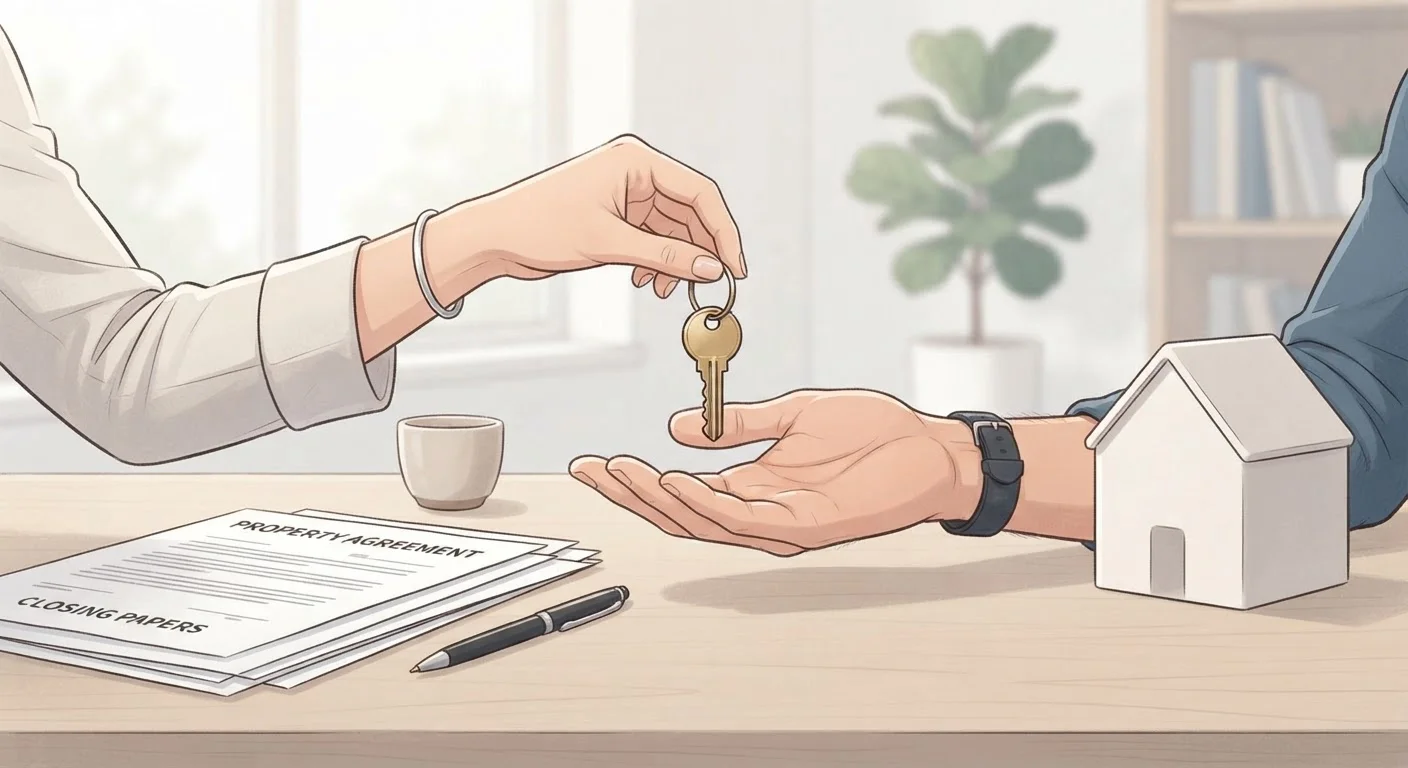
Photo: TrendingResults.net | Discover More, Trend More editorial
Key Takeaways
- Escrow is managed by a neutral third party who holds funds until all contract conditions are satisfied.
- Your earnest money deposit is typically the first funds placed into escrow.
- Escrow protects both buyer and seller from the other party backing out improperly.
- After closing, your lender may maintain a separate escrow account for taxes and insurance.
- Escrow fees are part of your closing costs and vary by state and transaction size.
Why Escrow Exists
Think about what's at stake when a home goes under contract: the buyer is preparing to transfer hundreds of thousands of dollars, and the seller is preparing to hand over the deed to a property. Neither party wants to go first without assurance the other will follow through. Escrow solves this problem by creating a structured holding period managed by a disinterested third party.
From the moment your offer is accepted, escrow begins. The buyer's earnest money deposit is the first item placed into escrow - a signal to the seller that the buyer is serious. That money stays protected in the escrow account while both sides work through inspections, appraisals, and mortgage underwriting. For a full picture of where escrow fits in the timeline, see The American Homebuying Process, From Offer to Closing.
30-60
Typical escrow period in days
Most U.S. residential transactions close within this window, though the timeline depends on financing, inspections, and contract terms.
1-3%
Typical earnest money deposit range
According to general industry practice, buyers in most U.S. markets deposit between 1% and 3% of the purchase price into escrow as earnest money.
~$500-$2,000+
Typical escrow service fee range
Escrow fees vary significantly by state, transaction size, and service provider, and are generally split between buyer and seller at closing.
What Happens Inside Escrow
During the escrow period, the escrow agent acts as a coordinator and gatekeeper. Their job is to collect every document and dollar required by the purchase contract and confirm that every condition - called a contingency - has been satisfied before any money changes hands.
Common tasks handled during escrow include:
- Receiving and holding earnest money from the buyer
- Ordering a title search to confirm the seller has clear ownership and no outstanding liens
- Coordinating with the lender to receive loan documents before closing
- Collecting the buyer's down payment and closing funds just before settlement
- Disbursing proceeds to the seller, paying off the existing mortgage, and distributing fees to agents and service providers
Understanding the contingencies embedded in your purchase contract is essential during this phase. Each one creates a specific condition that must be resolved before escrow can close. For a breakdown, see Contingencies in a Home Purchase Contract: What Each One Protects.
Review Your Escrow Instructions Early
Escrow After Closing: Your Mortgage Impound Account
Many buyers are surprised to learn that escrow doesn't end at the closing table. If you take out a mortgage - especially with less than 20% down - your lender will likely require you to maintain an ongoing escrow account, sometimes called an impound account, throughout the life of your loan.
Each month, a portion of your mortgage payment goes into this account. The lender uses those funds to pay your property taxes and homeowners insurance premiums on your behalf when they come due. This protects the lender's collateral by ensuring those bills never go unpaid.
Your lender is required to send an annual escrow analysis statement showing how the account has been used and whether your monthly contribution needs to adjust. If taxes or insurance costs rise, you may see a modest increase in your monthly payment - or receive notice of a shortage that needs to be resolved. The cost of maintaining this account is folded into your broader closing costs at settlement, where lenders typically collect a few months of prepaid taxes and insurance to seed the account.
Key Terms You'll Encounter
Navigating escrow is easier when you recognize the language used in documents and conversations with your agent or lender.
- Escrow Agent / Escrow Holder
- The neutral third party - often a title company, escrow company, or attorney - that manages the escrow account and process.
- Earnest Money
- A good-faith deposit from the buyer, held in escrow, that demonstrates serious intent to purchase.
- Closing Disclosure
- A federally required document provided by your lender before closing that itemizes all costs, including escrow-related fees.
- Title Search
- A review of public records conducted during escrow to confirm the seller holds clear title, free of liens or ownership disputes.
- Impound Account
- The post-closing escrow account held by your lender for ongoing tax and insurance payments.
Sellers encountering escrow terminology in an offer should also review what the terms in a purchase agreement actually mean for added context.
Escrow Practices Vary by State
This article is for general informational purposes only and does not constitute legal or financial advice. Real estate laws and escrow practices vary by state. Consult a licensed real estate professional or attorney for guidance specific to your transaction.
Frequently Asked Questions
The content on this site is provided for informational purposes only and should not be considered a substitute for professional advice. While we strive to provide accurate and up-to-date information, we make no guarantees regarding its completeness or accuracy. Always consult a qualified professional for advice specific to your circumstances before making any decisions.