
Buying a Home

Why Buyers Lose Homes They Thought They Had Under Contract

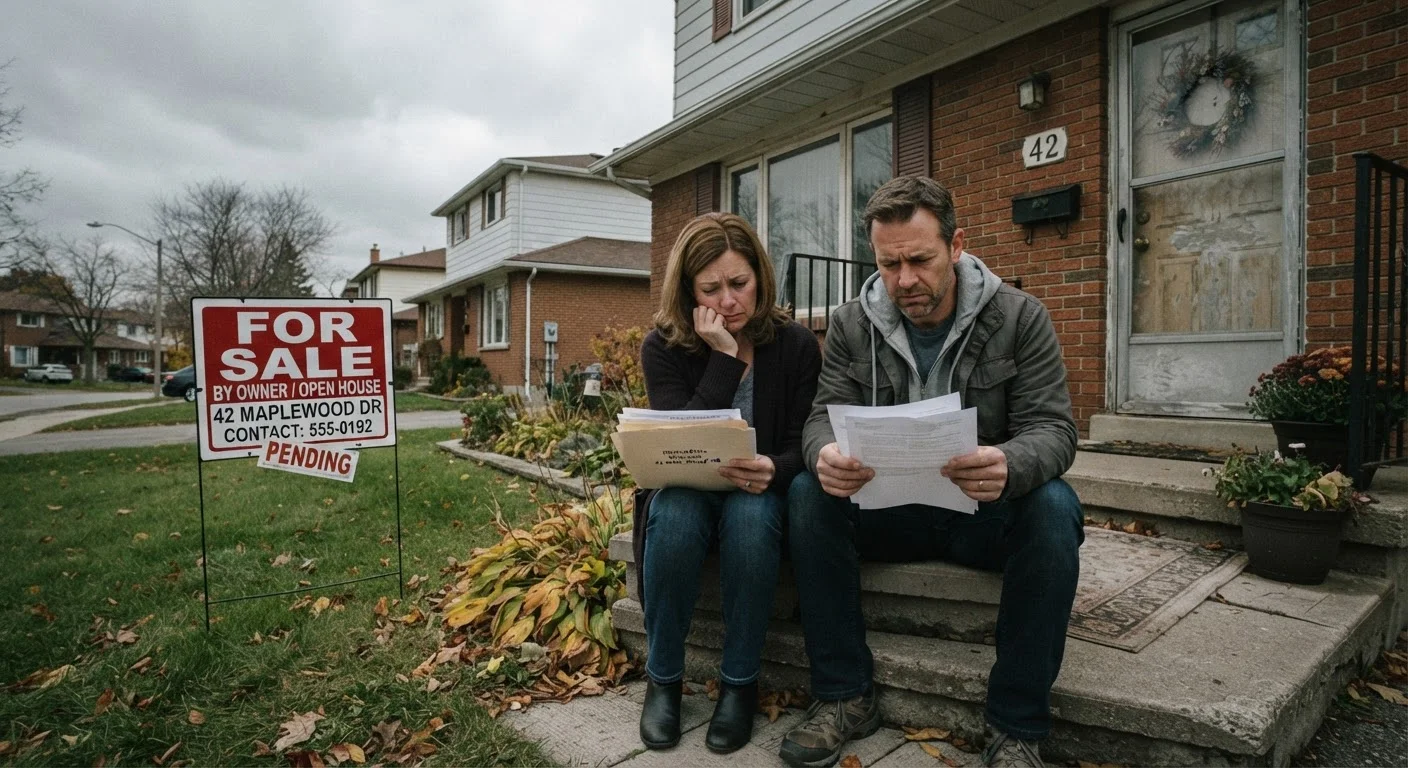
Why Buyers Lose Homes They Thought They Had Under Contract

Photo: TrendingResults.net | Discover More, Trend More editorial

Deals fall apart more often than most buyers expect. Here are the common reasons—and the steps that help prevent them.

Key Takeaways

  • A signed purchase contract does not guarantee a sale — multiple contingencies can still unravel the deal.
  • Financing issues are the leading reason home purchases fall through after an offer is accepted.
  • Appraisal gaps, inspection disputes, and title problems each carry their own risks buyers should prepare for.
  • Buyers can reduce risk by getting fully underwritten pre-approval, not just a pre-qualification letter.
  • Understanding contingency deadlines and keeping communication open with your agent prevents costly surprises.

Why 'Under Contract' Doesn't Mean 'Done Deal'

Signing a purchase contract feels like crossing the finish line. In reality, it is closer to the starting gun for a second, more complex phase of the transaction. During the period between acceptance and closing — often 30 to 60 days — financing must be finalized, inspections completed, an appraisal conducted, and title cleared. Any one of these steps can unravel the deal.

Sellers experience this too. If you want to understand the picture from the other side, why homes fall out of escrow and how sellers can reduce that risk explains how the same pressure points look from the seller's perspective.

For buyers, awareness is the most practical form of protection. The mistakes below represent the most common reasons purchase contracts collapse — and what you can do about each one.

Pre-Qualification Is Not Pre-Approval

Many buyers enter contracts armed with only a pre-qualification letter, which reflects self-reported financial information and carries no lender commitment. A fully underwritten pre-approval — where the lender has verified income, assets, and credit — is far more reliable. Sellers and their agents know the difference, and so should you before making an offer.

The Most Common Mistakes That Cost Buyers Their Contracts

The following errors are not rare edge cases. They occur in everyday transactions across all price ranges and markets. Understanding them before you are under contract gives you a meaningful advantage.

1

Relying on a pre-qualification letter instead of a fully underwritten pre-approval.

Why it happens: Pre-qualification is faster and easier, so many buyers — and some agents — treat it as equivalent to pre-approval. Lenders issue pre-qualification letters based on unverified information, which can shift dramatically once documentation is reviewed.
How to avoid: Request a fully underwritten pre-approval before you begin making offers. This means submitting pay stubs, tax returns, bank statements, and allowing the lender to verify your credit. It substantially reduces the chance that financing falls apart mid-contract.
2

Making large financial moves after going under contract.

Why it happens: Buyers celebrate the accepted offer and make purchases — new furniture, a car, or opening credit accounts — not realizing lenders re-verify finances shortly before closing.
How to avoid: Treat your financial profile as frozen from the moment you submit a loan application until closing. Avoid new credit inquiries, large purchases, or job changes. Even a small increase in your debt-to-income ratio can trigger a loan denial late in the process.
3

Ignoring the appraisal contingency and its implications.

Why it happens: Buyers focus on the agreed purchase price and assume the home will appraise at that value. In fast-moving markets, offers frequently exceed what an appraiser can justify based on comparable sales.
How to avoid: Discuss the appraisal contingency with your agent before waiving it. If you are prepared to cover an appraisal gap out of pocket, confirm you have the liquid funds to do so. See our guide on down payment realities for context on cash reserves buyers often overlook.
4

Underestimating what a home inspection can reveal — or overreacting to findings.

Why it happens: Some buyers skip thorough inspection reviews to move quickly; others terminate contracts over minor issues that are common in most homes, losing a good property unnecessarily.
How to avoid: Attend the inspection in person and ask your inspector to distinguish between safety issues, deferred maintenance, and cosmetic concerns. Review home inspection red flags every buyer should recognize before your inspection date so you know what truly matters.
5

Missing contingency deadlines written into the contract.

Why it happens: Purchase contracts include strict timelines for financing approval, inspection responses, and appraisal review. Buyers — especially first-timers — often do not track these dates closely.
How to avoid: Create a calendar of every deadline the day you go under contract. Work backward from each date to give yourself buffer time. Your agent should help manage this, but the responsibility ultimately rests with you.
6

Overlooking title issues that can delay or void a transaction.

Why it happens: Buyers rarely think about title problems — liens, unpaid taxes, boundary disputes, or errors in public records — because they are invisible until a title search surfaces them.
How to avoid: Order a title search promptly after going under contract and purchase an owner's title insurance policy at closing. Title insurance is a one-time premium that protects you from claims that arise after you take ownership.

Waiving Contingencies Has Real Consequences

In competitive markets, some buyers waive inspection or financing contingencies to make their offer more attractive. This can mean losing your earnest money deposit — often 1–3% of the purchase price — if the deal falls through for those reasons. Never waive a contingency without fully understanding what you are giving up and consulting your real estate attorney or agent.

Title problems deserve specific attention because they often surface at the worst possible moment — days before closing. A title search reviews the public record history of the property going back decades. Liens from unpaid contractors, unresolved estate disputes, or clerical errors in earlier deeds can all cloud ownership and halt a closing. Purchasing an owner's title insurance policy at closing provides durable protection against claims that arise later.

For a broader look at the homebuying journey and what it demands financially, the Selling Property hub also covers how sellers prepare — context that helps buyers anticipate seller behavior during negotiations.

~5%

Contracts that fall through before closing

According to the National Association of Realtors, roughly 5% of purchase contracts are terminated each month, with financing and appraisal issues cited most frequently.

1–3%

Typical earnest money deposit at risk

Earnest money deposits in most US markets range from 1 to 3 percent of the purchase price and may be forfeited if a buyer defaults without a valid contingency.

This article is for general informational purposes only and does not constitute legal, financial, or real estate advice. Consult a licensed real estate professional and attorney for guidance specific to your situation and jurisdiction.

Real Estate Editorial Team

TrendingResults.net | Discover More, Trend More

Real Estate Editorial Team is the collective byline for our editorial team and contributor network. Articles published under this byline or an editorial pen name are researched, written, and reviewed according to our editorial standards for clarity, consistency, and independence before publication.

Buying a HomeRenting & LeasingSelling Property
View author profile

The content on this site is provided for informational purposes only and should not be considered a substitute for professional advice. While we strive to provide accurate and up-to-date information, we make no guarantees regarding its completeness or accuracy. Always consult a qualified professional for advice specific to your circumstances before making any decisions.