
Why Homes Fall Out of Escrow - and How Sellers Can Reduce That Risk

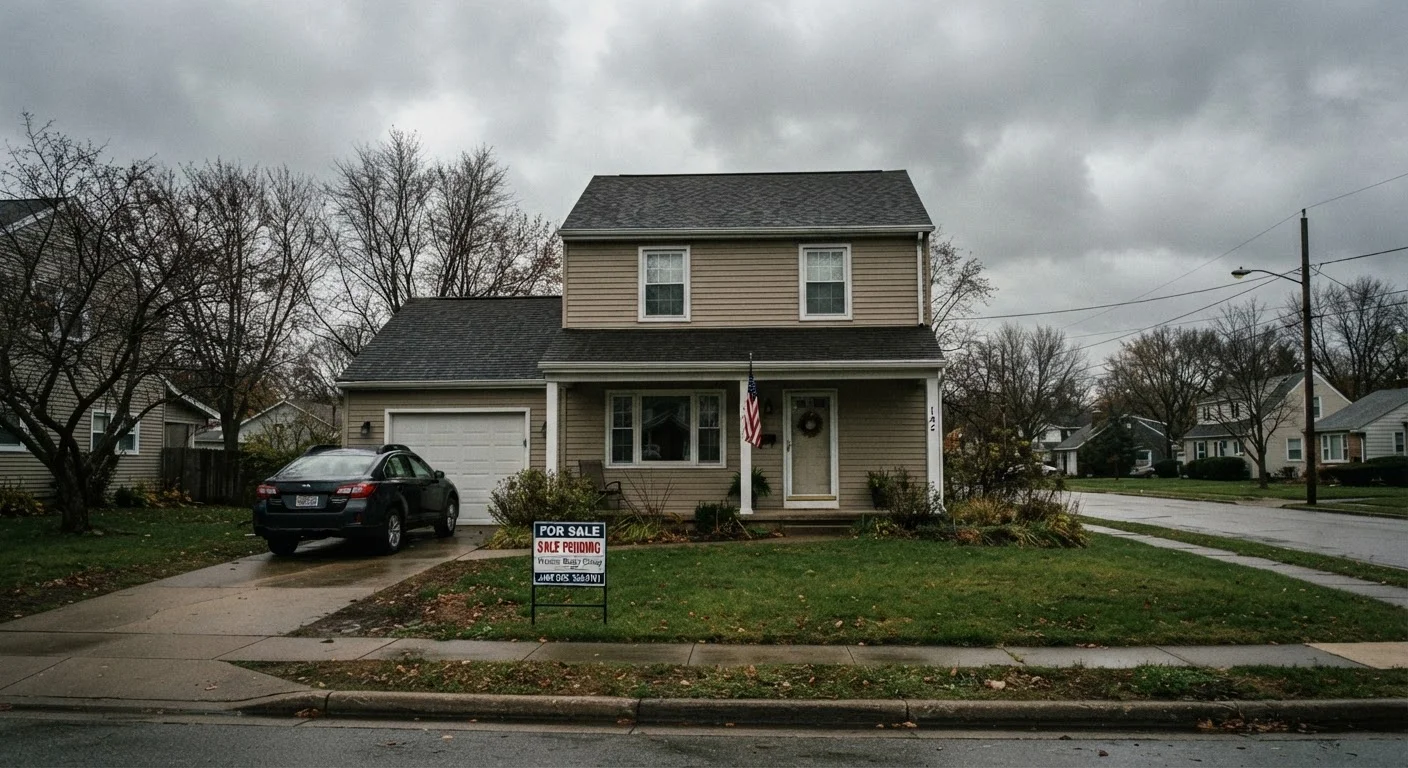
Photo: TrendingResults.net | Discover More, Trend More editorial
Key Takeaways
- Roughly 5-10% of home sales fall out of escrow before closing, often catching sellers off guard.
- Appraisal gaps, inspection disputes, and buyer financing failures are the leading causes of collapsed deals.
- Sellers can reduce escrow failure risk through pre-listing preparation, realistic pricing, and careful offer evaluation.
- Choosing a financially qualified buyer matters as much as the offer price itself.
- Disclosure gaps and title problems - often preventable - account for a significant share of late-stage deal failures.
What Escrow Failure Actually Looks Like
When a seller accepts an offer, it's natural to feel the hard work is done. In reality, the transaction has entered escrow - a legally structured period during which both parties fulfill contractual obligations before the deal closes. If you're new to this process, a plain-English breakdown of how escrow works is worth reviewing before going to market.
Industry data consistently suggests that somewhere between 5% and 10% of purchase agreements never reach closing. For sellers, a failed escrow means restarting the listing process - often at a psychological and financial cost that compounds over time. Understanding why deals collapse is the first step toward preventing it.
Accepting an offer without verifying the buyer's financing strength.
Overpricing the home relative to what comparable sales will support at appraisal.
Failing to disclose known material defects before or at offer acceptance.
Refusing all repair requests or credits after the inspection report.
Ignoring unresolved title issues that surface during escrow.
The Mistakes That Put Escrow at Risk
Most escrow failures trace back to decisions made before or shortly after offer acceptance - not at the closing table. Sellers who treat the accepted offer as the finish line often neglect the conditions that could still unravel it.
Appraisal Gaps Can Kill Deals Quietly
Pricing is one of the most consequential early decisions. An inflated list price may attract an offer that appears strong, but an appraisal will likely expose the gap. For a detailed look at how pricing errors compound through the sales process, see how sellers set the wrong asking price and what it costs them.
Equally important is understanding that negotiations don't end at offer acceptance. Inspection findings, appraisal results, and repair requests all create new pressure points. Sellers who are unprepared for these conversations - or who take an inflexible stance - are more likely to watch buyers walk. Common myths about real estate negotiations can help sellers enter those conversations with clearer expectations.
Reducing Risk Before and After Offer Acceptance
The most effective risk reduction happens before a buyer ever tours the home. A pre-listing inspection, for example, gives sellers time to address significant defects on their own terms - rather than scrambling to negotiate repairs under contract pressure. Buyers and sellers often have very different views on what constitutes a serious finding; which inspection findings buyers treat as dealbreakers is useful context for sellers preparing their homes.
Don't Assume 'Pending' Means 'Sold'
When evaluating offers, sellers and their agents should look beyond the headline price. Proof of mortgage pre-approval, the lender's reputation, and the buyer's contingency terms all speak to how likely a deal is to survive to closing. An all-cash offer with minimal contingencies carries a fundamentally different risk profile than a highly leveraged offer at the same price. The buyer's side of this equation has its own complexities - why buyers lose homes they thought they had under contract illustrates what can go wrong from their perspective, which informs how sellers should read incoming offers.
This article provides general real estate information for educational purposes and does not constitute legal, financial, or professional real estate advice. Consult a licensed real estate professional regarding your specific circumstances.
The content on this site is provided for informational purposes only and should not be considered a substitute for professional advice. While we strive to provide accurate and up-to-date information, we make no guarantees regarding its completeness or accuracy. Always consult a qualified professional for advice specific to your circumstances before making any decisions.