
How Home Sellers Set the Wrong Asking Price - and What It Costs Them

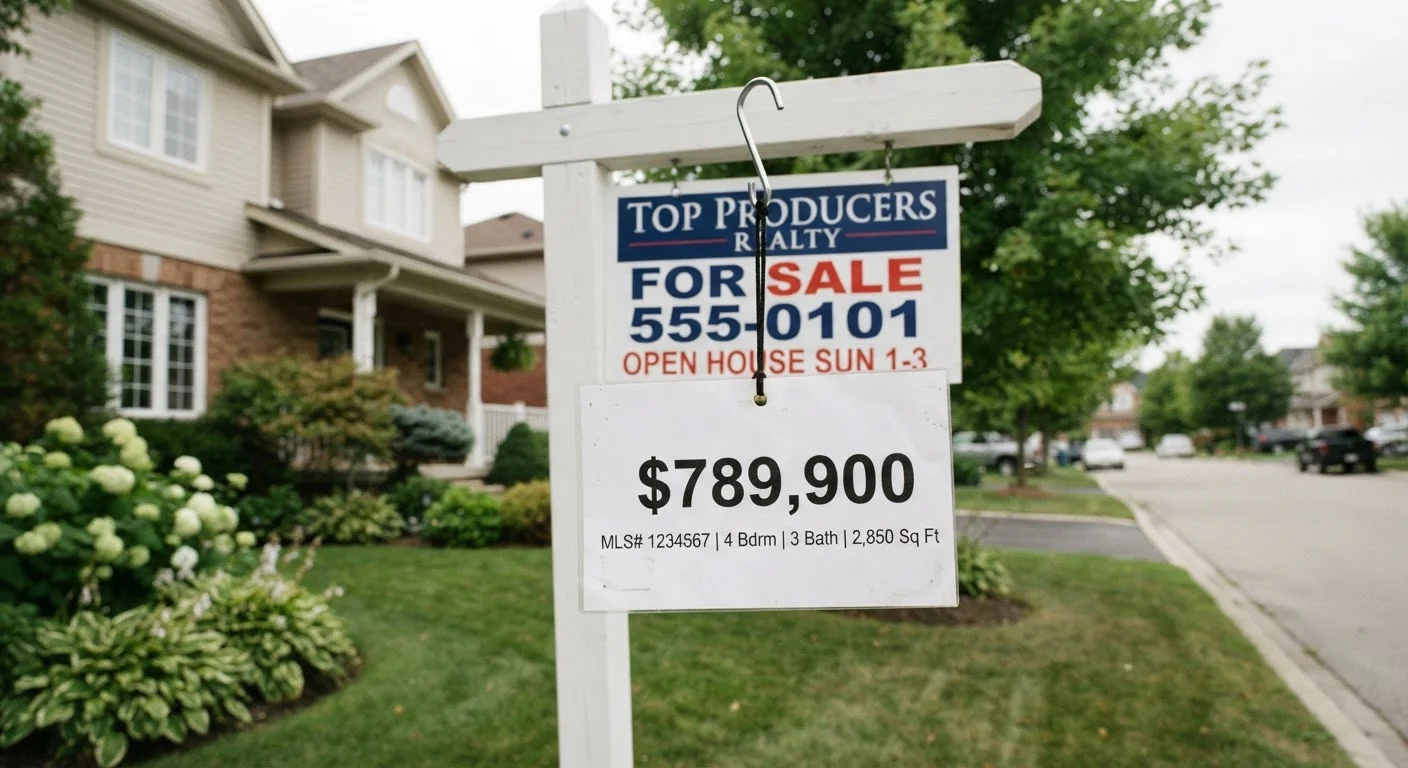
Photo: TrendingResults.net | Discover More, Trend More editorial
Key Takeaways
- Overpricing is the single most damaging mistake sellers make, often leading to longer days on market and lower final sale prices.
- Emotional attachment to a home's value frequently overrides objective market data, causing unrealistic list prices.
- Price reductions signal weakness to buyers and can trigger lowball offers that wouldn't have appeared at launch.
- Underpricing carries its own risks, especially in slower markets where multiple offers aren't guaranteed.
- A comparative market analysis (CMA) from a licensed agent is the most reliable starting point for setting an asking price.
Why Asking Price Decisions Go Wrong
Setting an asking price feels deceptively straightforward - pick a number, list the home, wait for offers. In practice, it's one of the highest-stakes decisions a seller makes, and the errors that most commonly derail it aren't random. They follow predictable patterns rooted in emotional attachment, flawed assumptions about buyer behavior, and misunderstandings of how markets work.
Overpricing gets the most attention, and for good reason: it's the mistake with the longest tail. But underpricing in the wrong market conditions and misreading renovation value are equally capable of costing sellers real money. Understanding why these errors happen is the first step to avoiding them.
Anchoring the asking price to what was paid for the home rather than current market value.
Pricing above the range suggested by comparable sales to "leave room to negotiate."
Ignoring carrying costs when deciding how long to hold out for a higher price.
Underpricing in hopes of sparking a bidding war in a market that won't support one.
Overvaluing renovation work that doesn't translate to a proportional increase in appraised or buyer-perceived value.
The Compounding Cost of Getting It Wrong
Pricing errors don't stay contained. An overpriced home that lingers accumulates what agents call "market stigma" - buyers assume a problem with the property rather than the price. When a reduction eventually comes, it often triggers negotiating dynamics that sellers don't anticipate, including lowball offers from buyers sensing desperation.
Overpricing Rarely Corrects Itself
The appraisal process adds another layer of complexity. Even a willing buyer can't always close at an agreed price if the lender's appraiser determines the home is worth less. Sellers who price above defensible comparable sales are effectively betting on an appraisal outcome they don't control.
Appraisal Gap Risk Is Real
On the other side, sellers who underprice in a moderate or slow market - hoping for bidding wars that don't materialize - can find themselves locked into a below-market contract with limited recourse. The assumptions behind a pricing strategy need to match actual local conditions, not recent headlines about hot markets elsewhere.
~5-10%
Additional discount buyers expect on stale listings
Industry practitioners and housing economists broadly observe that listings with extended market time attract lower offers, as buyers perceive negotiating leverage.
30 days
Typical window before a listing loses momentum
Real estate professionals generally note that buyer interest peaks in the first two to four weeks; listings without offers by day 30 face a significantly harder path to sale.
The most reliable protection is a rigorous, data-grounded approach to pricing before the listing goes live. A well-priced home that sells in its first two weeks almost always nets more than a mispriced one that sells after 90 days of reductions - even if the final numbers look close on paper. For sellers navigating what happens after an offer arrives, understanding how deals can fall apart under contract is equally important to protecting the outcome you worked to create.
The content on this site is provided for informational purposes only and should not be considered a substitute for professional advice. While we strive to provide accurate and up-to-date information, we make no guarantees regarding its completeness or accuracy. Always consult a qualified professional for advice specific to your circumstances before making any decisions.