
The Anatomy of a Lease Agreement: Every Clause Explained

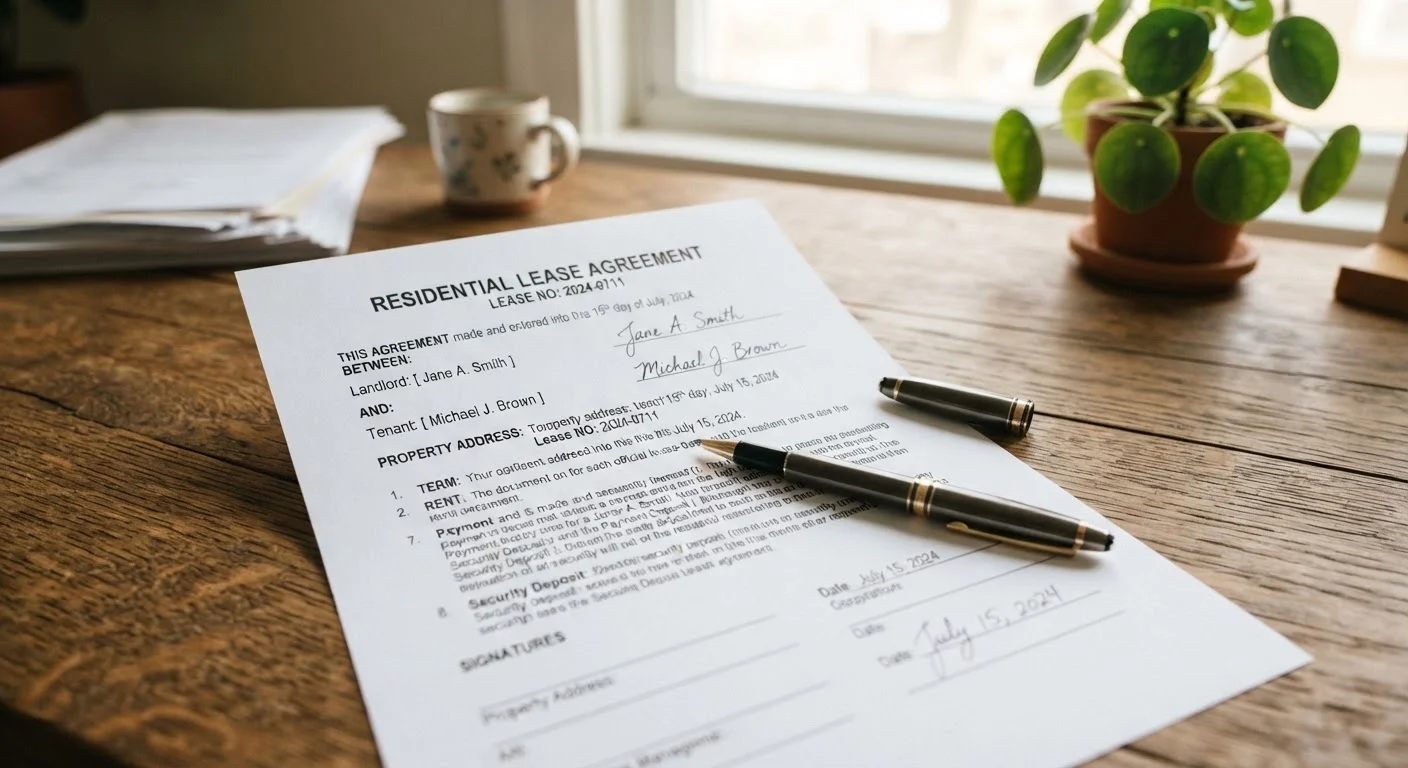
Photo: TrendingResults.net | Discover More, Trend More editorial
Why Every Clause in a Lease Deserves a Close Read
A lease is a legally binding contract - and once you sign, you're generally held to every paragraph, whether or not you read it. Yet most renters skim the document, sign on the due date, and only revisit specific language when a dispute arises. That's a costly habit. First-time renters especially benefit from understanding what each section does before committing to a year or more of obligations.
Standard US residential leases share a recognizable structure regardless of state. The core sections address who is on the lease, what property is being rented, the rental period, financial obligations, rules of tenancy, and exit conditions. This reference guide walks through each category in plain language.
Core Clauses: Parties, Property, and Term
Parties to the lease. This section names the landlord (or property management company) and every adult tenant. Every adult who will live in the unit should be listed. Unnamed occupants may have fewer legal protections, and landlords can sometimes argue an unlisted resident is grounds for lease violation.
Property description. Confirms the specific address and unit number, and may specify what storage spaces, parking spots, or common areas are included in the rental. If a parking space was part of your verbal agreement, verify it appears here - verbal promises rarely survive a lease dispute.
Lease term. Defines the start and end dates of the tenancy. A fixed-term lease (most commonly 12 months) locks in both parties for that period. A month-to-month arrangement auto-renews each month until either party gives proper notice. Each structure carries different trade-offs in terms of flexibility and stability.
Fixed-term lease
A rental agreement that runs for a set period - most often 12 months - during which rent and conditions remain locked in. Either party generally cannot exit early without penalty unless specific clauses or legal exceptions apply.
Security deposit
A refundable payment held by the landlord to cover damage beyond normal wear and tear or unpaid rent. Most states impose caps on the amount and require itemized accounting upon return.
Normal wear and tear
The gradual, expected deterioration of a rental unit through ordinary use - such as small nail holes or minor carpet wear. Landlords cannot legally charge tenants for normal wear and tear in most US jurisdictions.
Subletting
Renting your leased unit (or part of it) to a third party while you remain the primary tenant on the lease. Most leases require written landlord approval before any subletting arrangement begins.
Early termination clause
A lease provision that allows a tenant to exit before the lease end date by paying a specified fee - often one to two months' rent - rather than remaining liable for the full remaining balance.
Month-to-month tenancy
A rental arrangement with no fixed end date that automatically renews each month. Either party can typically end it by giving the required notice (commonly 30 days), offering more flexibility but less price certainty.
Financial Obligations: Rent, Deposits, and Fees
Rent amount and due date. States the monthly rent, the due date (commonly the 1st of the month), and the grace period before a late fee applies. Most leases allow 3-5 days before fees kick in, though this varies by state law.
Late fees. The lease should specify the fee amount or formula. Many states cap late fees - typically between 5% and 10% of monthly rent - so a fee that seems unusually high is worth checking against your state's landlord-tenant statute.
Security deposit. A refundable sum held against damage or unpaid rent. Most states cap deposits at one to two months' rent and require landlords to return the deposit within 14-30 days of move-out, along with an itemized deduction list if any amount is withheld. Normal wear and tear - scuffs, minor carpet wear - cannot legally be charged to the tenant in most jurisdictions.
Other fees. Pet deposits, pet rent, parking fees, and utility responsibilities should all appear in writing. Distinguish between refundable deposits and non-refundable fees - the lease should explicitly say which is which.
Rules of Tenancy: Use, Alterations, and Subletting
Permitted use. Limits the property to residential use and identifies who may occupy the unit. Running a business from a rental - even a home office with client visits - can sometimes violate this clause, depending on how it is written.
Alterations. Most leases prohibit painting, drilling, or structural changes without written landlord approval. Unauthorized alterations can result in deductions from your security deposit or, in severe cases, lease termination.
Subletting and assignment. Subletting means renting your unit (or a room) to another person while you remain on the lease. Most leases require written landlord approval before subletting. What most leases require - and where tenants go wrong is worth reviewing before you hand over keys to anyone.
Maintenance and repairs. The lease typically assigns routine upkeep (e.g., changing light bulbs, lawn care in some rentals) to the tenant while structural and systems repairs fall to the landlord. Note any required notice period for repair requests.
Exit Conditions: Notice, Early Termination, and Renewal
Notice to vacate. Both parties typically must give written notice before the lease ends - commonly 30 to 60 days. Failing to provide timely notice may trigger an automatic month-to-month renewal or result in forfeiture of part of your deposit.
Early termination clause. Some leases include a buyout option - often one to two months' rent - that allows you to exit before the term ends without being liable for the remaining balance. Without this clause, you may owe rent until a replacement tenant is found. Legal exceptions and ways to minimize the financial hit exist in some circumstances, such as active military deployment or documented uninhabitable conditions.
Renewal terms. The lease may auto-renew at the same rate, shift to month-to-month, or require a new agreement. Check whether rent can increase at renewal - some states require advance notice for rent increases, which should align with your notice-to-vacate window.
This article provides general information about lease agreements and is not legal advice. Lease terms, tenant protections, and landlord-tenant laws vary significantly by state and locality. Consult a licensed attorney or local tenant advocacy organization for guidance specific to your situation.
The content on this site is provided for informational purposes only and should not be considered a substitute for professional advice. While we strive to provide accurate and up-to-date information, we make no guarantees regarding its completeness or accuracy. Always consult a qualified professional for advice specific to your circumstances before making any decisions.